
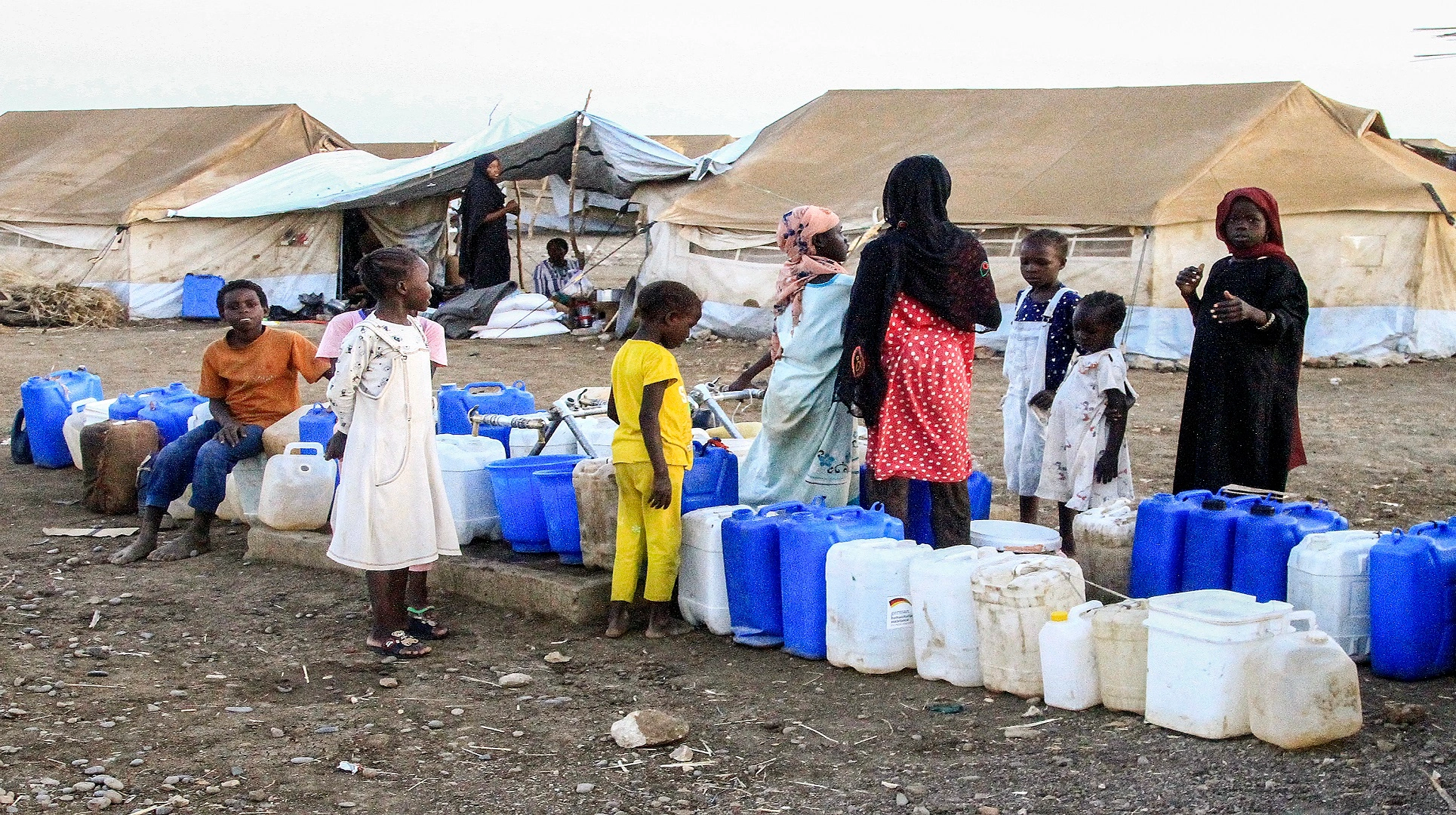
The poverty line is more than a number. It is a measure of survival. It defines the minimum income a person needs to meet basic living standards such as food, water, shelter, and healthcare. When families fall below this line, daily life becomes a struggle for survival rather than stability.
In Sudan today, the poverty line has become a painful reality for millions. War, displacement, inflation, and collapsed services have pushed families into extreme poverty at a scale the world can no longer ignore. At the AMEL Foundation, this reality is not seen as statistics alone. It is witnessed through the faces of mothers who skip meals, children who cannot access medicine, and communities fighting to hold on to dignity amid loss.
Understanding the poverty line is essential to understanding the depth of Sudan’s humanitarian crisis and the urgent need for coordinated action.
What Is the Poverty Line?
The poverty line refers to the minimum level of income required to secure essential needs. Globally, the World Bank defines extreme poverty as living on less than $2.15 per day. However, in conflict zones like Sudan, the true poverty line often looks different.
Hyperinflation, market collapse, and shortages mean that even families with some income cannot afford basic goods. Food prices have soared, wages have disappeared, and access to essential services has broken down. According to the World Food Programme, millions are unable to secure enough food to survive, placing them in severe categories of food insecurity.
In simple terms, the poverty line marks the point where survival becomes uncertain. In Sudan, that line has shifted dramatically downward.
Poverty Line in the Context of War
How Conflict Pushes Families Below the Line
Since April 2023, conflict between armed groups has displaced more than 14 million people, making Sudan the world’s largest displacement emergency. According to the United Nations Office for the Coordination of Humanitarian Affairs, over 30 million people now require humanitarian assistance.
War destroys livelihoods. Farmers lose access to land. Markets close. Small businesses collapse. Salaries stop. Families who once lived modest but stable lives are suddenly facing economic vulnerability with no safety net. When income disappears overnight, the poverty line is crossed instantly.
This is not gradual decline. It is a sharp fall into instability.
Inflation and Market Collapse
The value of money has eroded rapidly. In many areas, prices of basic goods have multiplied several times over. Even if families receive small remittances, those funds no longer stretch far enough to cover food, water, or medical care.
This economic collapse has widened income inequality. Those with access to foreign currency or stable networks manage to survive. The majority, especially displaced communities, fall deeper below the poverty threshold.
The poverty line in Sudan is not just about income. It is about access, safety, and functioning systems.
Poverty Line and Food Insecurity
One of the clearest signs of falling below the poverty line is hunger. When income cannot cover daily calories, families begin to reduce meals, skip food, or rely on unsafe alternatives.
The World Food Programme warns that millions of Sudanese are facing acute hunger, with some areas at risk of famine. Malnutrition rates among children are rising sharply. Mothers are forced to make impossible choices between feeding one child or another.
Food insecurity is not only about empty plates. It weakens immune systems, increases vulnerability to disease, and reduces children’s ability to learn and grow. Crossing the poverty line often begins with hunger, but it quickly spreads into every aspect of life.
Health, Water, and the Poverty Trap
When families fall below the poverty line, healthcare becomes a luxury. In Sudan, many hospitals have shut down or operate with limited capacity. According to the World Health Organization, the health system has been deeply affected by ongoing violence, leaving millions without reliable care.
Without income, families cannot afford transport to clinics or purchase essential medicine. Preventable diseases become deadly. Cholera outbreaks and waterborne illnesses spread quickly in overcrowded camps where clean water is scarce.
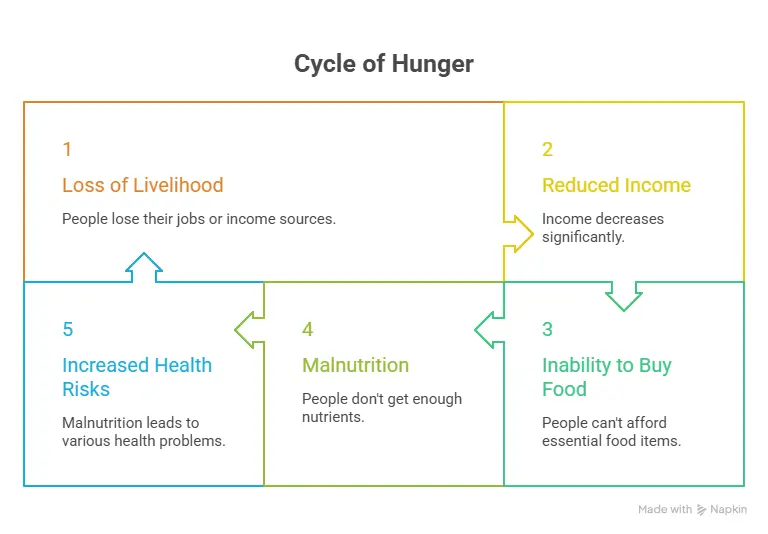
Lack of access to essential services creates a poverty trap. Illness reduces the ability to work, which further reduces income, pushing families even deeper into extreme poverty. Breaking this cycle requires more than emergency treatment. It requires sustained humanitarian support and long-term planning.
Displaced Communities and Economic Vulnerability
Displacement strips families of assets, savings, and social support networks. Internally displaced people often arrive in camps with nothing but the clothes they are wearing. Their previous income sources disappear overnight.
According to humanitarian assessments, millions of displaced individuals are living in areas classified as severe crisis zones. Many reside in temporary shelters exposed to heat, flooding, or violence. Without stable income or legal documentation, they cannot rebuild livelihoods.
Economic vulnerability becomes chronic. Children drop out of school to work. Women face increased risks of exploitation. The poverty line becomes not a temporary setback but a prolonged condition.
Poverty Line and Sustainable Development
Before the conflict escalated, Sudan faced development challenges but also held potential for growth. Agriculture, trade, and local enterprise supported many communities. However, war has reversed years of progress toward sustainable development.
Sustainable development means building systems that allow communities to thrive independently. It includes education, healthcare infrastructure, economic opportunity, and social protection. When poverty levels rise sharply, development goals collapse.
Rebuilding Sudan requires addressing both emergency relief support and long-term resilience. Humanitarian aid saves lives today, but sustainable development ensures that families do not remain below the poverty line tomorrow.
Why the Poverty Line Matters for Donors
Understanding the poverty line helps donors see the scale of need. It is not about abstract numbers. It reflects how many families cannot afford food, medicine, or clean water.
According to recent humanitarian appeals, funding levels remain far below what is required. Without sufficient support, aid organizations struggle to reach communities in remote or conflict-affected areas. Every funding gap translates into unmet needs.
For organizations like the AMEL Foundation, the mission is clear. Through initiatives focused on food security and emergency relief support, the goal is to lift families above survival thresholds and restore dignity.
AMEL Foundation’s Response to Poverty
The AMEL Foundation works directly with vulnerable communities to address urgent needs while supporting resilience. Through its emergency programmes, the foundation delivers food parcels, medical assistance, and clean water solutions in areas facing severe hardship.
By focusing on access to essential services, AMEL aims to stabilize families at risk of falling deeper into poverty. Immediate relief prevents hunger from becoming famine and illness from becoming fatal.
At the same time, long-term initiatives such as training and development programmes help individuals rebuild livelihoods. Supporting small businesses, vocational skills, and community education strengthens economic stability and reduces dependence on aid.
The Human Face Behind the Poverty Line
Statistics can sometimes feel distant. Yet behind every figure is a person with dreams, fears, and resilience. A father who once ran a small shop now waits in line for food assistance. A mother who once harvested crops now walks miles for water.
Despite immense hardship, Sudanese communities continue to show strength. Neighbours share food. Families support each other emotionally. Volunteers risk their safety to distribute aid. This resilience does not erase suffering, but it reflects courage and determination.
The poverty line does not define people’s worth. It highlights the failure of systems and the urgent need for solidarity.
Breaking the Cycle of Extreme Poverty
Addressing poverty in Sudan requires coordinated global action. Ceasefires must be respected to allow safe delivery of aid. Funding commitments must match the scale of need. Humanitarian corridors must remain open.
Long-term recovery will depend on restoring agriculture, rebuilding infrastructure, and investing in education. It will also require reducing income inequality and ensuring inclusive economic opportunities.
For now, emergency relief support remains critical. Families below the poverty line cannot wait for political solutions. They need food, healthcare, shelter, and protection today.
Conclusion: A Shared Responsibility
The poverty line in Sudan is not just an economic indicator. It is a warning sign of a deepening humanitarian crisis. Millions are living below basic living standards, facing hunger, disease, and displacement.
Yet hope remains possible through collective action. Organizations like the AMEL Foundation continue to stand with affected communities, providing life-saving assistance while working toward long-term recovery.
In times of crisis, the global community must recognize that poverty anywhere threatens dignity everywhere. Supporting humanitarian efforts is not charity. It is a shared responsibility to protect human life and uphold fundamental rights.

Comments are closed