
Introduction
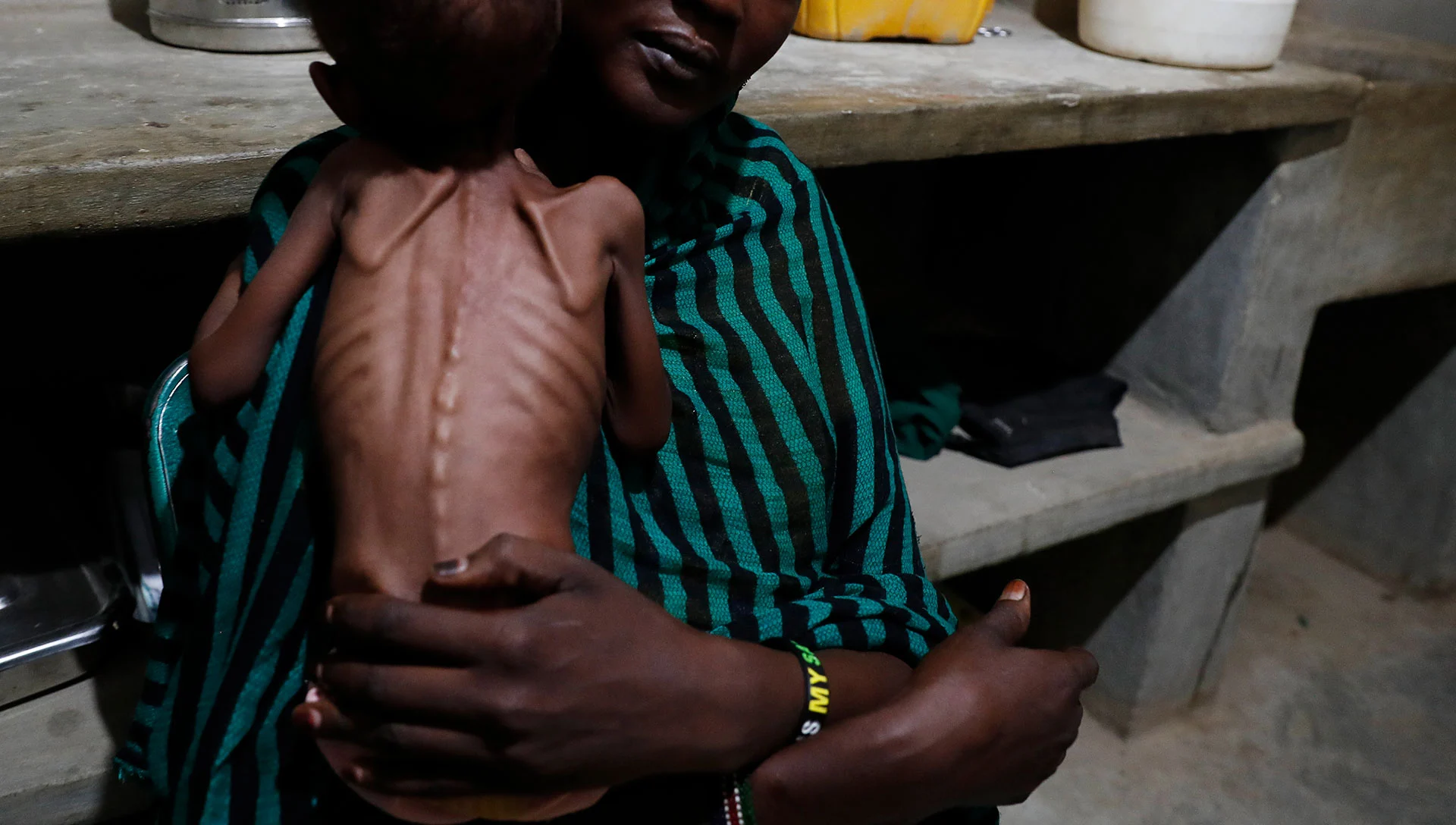
Famine in the world is no longer a distant or rare phenomenon. Across many regions, millions of people are struggling to find enough food to survive. Wars, economic collapse, climate shocks, and fragile health systems are combining to create a dangerous global food crisis.
Today, the scale of food insecurity worldwide is alarming. In countries affected by conflict and displacement, access to food has become unpredictable. This is particularly visible in Sudan, where years of instability have pushed entire regions toward catastrophic hunger.
Organizations working on the ground, including the World Food Programme’s Sudan emergency response, have warned that famine conditions are spreading. As the crisis deepens, the world must recognize that famine is a global humanitarian emergency demanding urgent attention.
Why Sudan Has Become the Center of the Crisis
Sudan today represents one of the most severe humanitarian emergencies in the world. Since the conflict erupted in April 2023, the country has faced massive social collapse.
According to United Nations humanitarian briefings on Sudan, more than 33 million people—nearly two-thirds of the population—now require urgent assistance. With over 13 million people uprooted, this is currently the world’s largest displacement crisis. Famine conditions have already been confirmed in parts of Darfur and Kordofan as conflict blocks vital aid deliveries.
Hunger and Displacement: A Dangerous Cycle
Hunger forces families to make impossible decisions. When markets empty and crops fail, people flee in search of survival. This displacement places additional pressure on neighboring countries and creates a cycle where hunger fuels further instability. Children are the most affected, with millions facing acute malnutrition that can lead to lifelong developmental consequences.
The Health Impact of Global Malnutrition
Famine extends far beyond hunger. Malnutrition weakens immune systems, making minor illnesses life-threatening. In Sudan, cholera and other infectious diseases are spreading where sanitation has collapsed.
According to the World Health Organization’s public health analysis, more than 21 million people require urgent health support. Hunger and disease reinforce one another; without coordinated relief that combines food, healthcare, and sanitation, the suffering continues.
Barriers to Delivering Humanitarian Aid
Delivering aid in famine conditions is incredibly complex. In Sudan, humanitarian teams face roadblocks, security risks, and bureaucratic barriers.
Funding is also a major hurdle. Current global levels remain far below what is required, forcing agencies to reduce rations. Research from ReliefWeb’s analysis of Sudan’s famine conditions shows that many high-risk areas remain underserved due to these limitations.
The Role of Local and Global Humanitarian Programs
Responding to famine requires action from both international agencies and local groups. Organizations like the AMEL Foundation focus on delivering practical support directly to affected communities.
Through food security programs, humanitarian teams provide essential supplies while working on long-term resilience. Effective responses must integrate emergency food assistance with broader support, such as clean water and medical care, to stabilize communities.
Building Resilience Against Future Famines
Preventing future famines means addressing root causes: conflict, inequality, and climate change. Investment in agriculture, water systems, and education allows communities to withstand future shocks.
The Human Stories Behind the Crisis
Behind every statistic is a person. Despite the hardships, Sudanese communities show extraordinary resilience, organizing community kitchens and informal support networks. These acts of solidarity are the backbone of survival in the face of overwhelming challenges.
Conclusion
The crisis in Sudan shows how conflict and climate pressures can create catastrophic hunger. Without sustained international support, the consequences will be devastating. By strengthening humanitarian responses and supporting organizations on the ground, the world can help ensure fewer communities face the reality of famine.

Comments are closed