
Introduction
Fasting is one of the most recognized practices in the Muslim faith. Every year during Ramadan, millions of Muslims across the world observe the fast from dawn to sunset. This sacred practice, known as fasting in Islam, is not only about abstaining from food and drink; it is a spiritual journey that encourages patience, compassion, and responsibility toward others.
For many humanitarian organizations, Ramadan becomes a time where faith and action meet. In Sudan, where millions of families are struggling to survive amid an ongoing crisis, the meaning of fasting takes on an even deeper dimension.
The Meaning Behind Fasting in Islam
At its core, fasting in Islam is an act of devotion. Muslims fast during Ramadan to strengthen their relationship with God and practice self-control. The fast begins at dawn and ends at sunset, when families gather to break their fast in a meal called iftar.
The significance of fasting in Islam lies in its ability to remind people of the struggles faced by those who lack access to food and security. This empathy is why Ramadan is often called the “month of generosity.” When people experience temporary hunger during the day, they become more aware of those who live with hunger every day.
The Spiritual Discipline of Ramadan
The holy month encourages spiritual discipline in Islam. Beyond fasting, Muslims focus on prayer, reflection, and acts of kindness. These Ramadan spiritual practices help believers reconnect with values such as humility and gratitude.
In Sudan, despite the conflict, the spirit of Ramadan remains strong. Even in displacement camps, families gather at sunset to share simple meals, highlighting the resilience of communities upholding tradition amid hardship.
Ramadan and the Sudan Humanitarian Crisis
Sudan is currently facing one of the most severe emergencies in the world. Since 2023, conflict has created the largest displacement crisis globally. According to the United Nations Office for the Coordination of Humanitarian Affairs, more than 30 million people now require assistance.
While fasting is a voluntary act of devotion for most, millions in Sudan are experiencing hunger by necessity. This reality reinforces the message behind Ramadan charity.
Ramadan Fasting Rules and Compassion
Islam recognizes that not everyone is able to fast. The Ramadan fasting rules exempt certain people, such as the elderly, travelers, and those with chronic illnesses. Instead, they can offer charitable compensation known as fidya, which is used to feed those in need.
This principle ensures the spirit of the fast still benefits others. Donations collected during this time often support:
- Emergency food distributions
- Healthcare programs
- Clean water initiatives
The Humanitarian Role of Ramadan Charity
In many Muslim societies, charity increases significantly during this month. People give zakat and support humanitarian programs, inspired by the Islamic fasting benefits of empathy and social responsibility.
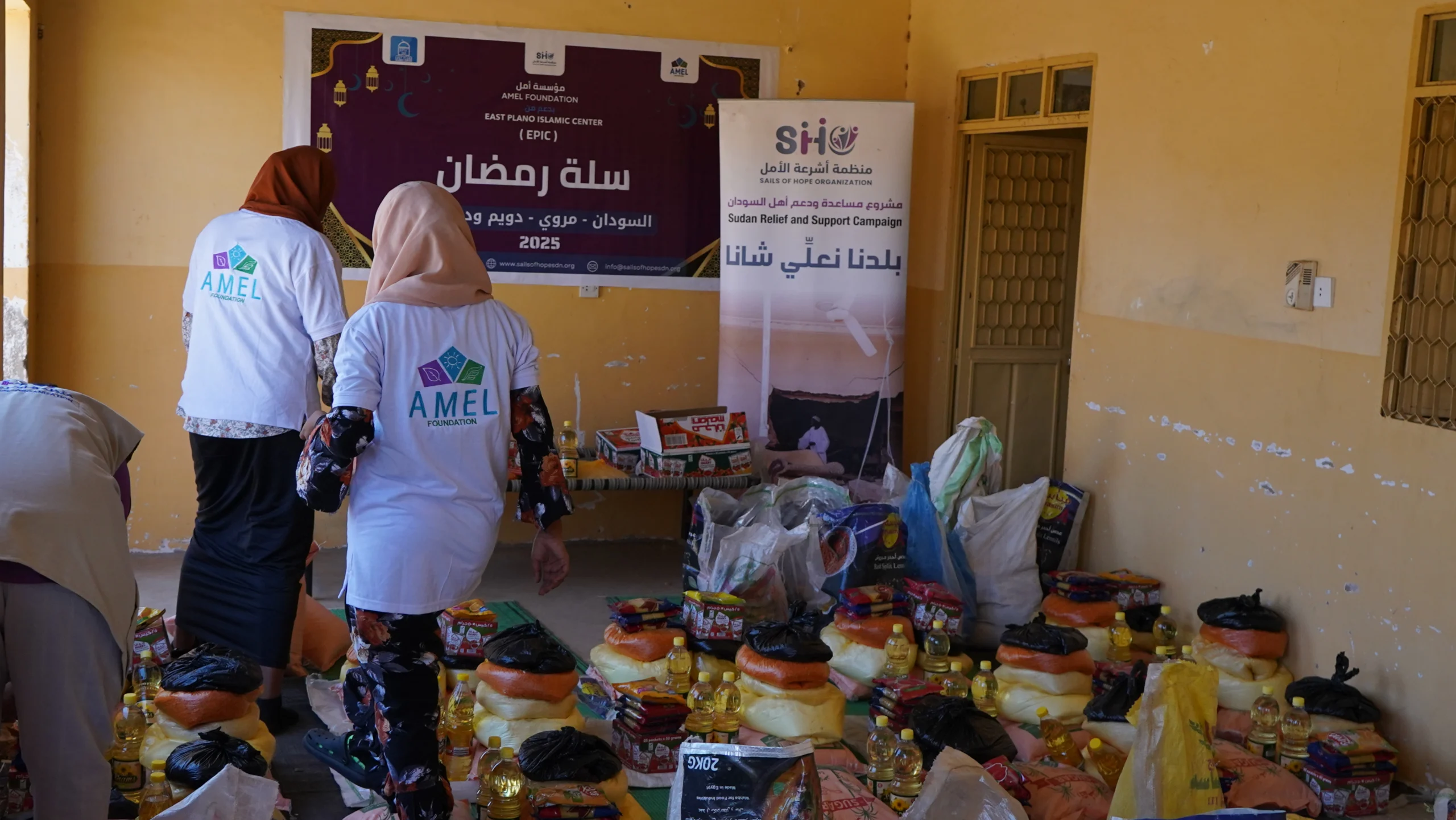
The AMEL Foundation works to ensure vulnerable families can observe the month with dignity. Their Ramadan Iftar initiative provides meals to families who would otherwise struggle to break their fast. These efforts demonstrate how faith-based values strengthen humanitarian action.
Health, Hunger, and Humanitarian Responsibility
According to data from the World Health Organization, conflict often leads to severe malnutrition. The AMEL Foundation’s food security programs focus on ensuring reliable access to nutrition, addressing both the immediate needs of Ramadan and longer-term challenges.
Why the Purpose of Fasting Matters Today
The purpose of fasting in Ramadan extends far beyond individual spirituality. It reminds us that faith should inspire responsibility toward others. The Sudan crisis shows how fragile human security is; families who once lived stable lives are now dependent on aid.

Comments are closed