
Introduction
Across many parts of Africa, hunger is no longer a distant risk but an unfolding emergency. Communities that once relied on farming and trade now face empty fields and collapsing food systems. The growing famine in Africa reflects a deeper humanitarian reality where conflict, climate shocks, and economic instability converge to push millions toward survival.
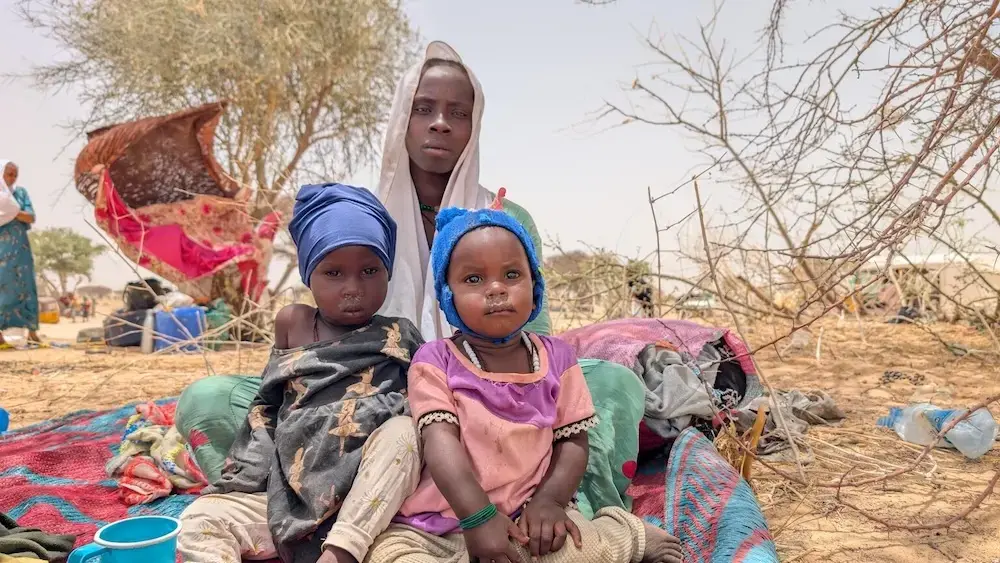
Sudan has become one of the clearest examples of this devastating pattern. Since civil war erupted in April 2023, the country has experienced massive displacement. According to international reporting on Sudan’s displacement, more than 13 million people have been forced from their homes, creating the largest displacement crisis in the world today.
The result is a rapidly expanding hunger crisis in Africa, where families are forced to skip meals and migrate in search of safety. For organizations like the AMEL Foundation, the crisis highlights both the urgency of immediate relief and the importance of long-term solutions that rebuild resilience and dignity.
The Expanding Humanitarian Crisis Across Africa
Africa’s food emergencies are shaped by a complex web of environmental shocks and political instability. Today, food insecurity in Africa affects hundreds of millions. Severe drought cycles have devastated the Horn of Africa and the Sahel, while in Sudan, the war has destroyed markets and blocked aid routes during crucial planting seasons.
According to global hunger monitoring efforts referenced in regional food security reports, more than 50 million people across the region could face acute food shortages during upcoming lean seasons.
Sudan’s Hunger Emergency: Conflict and Food Shortages
Sudan’s conflict has triggered one of the fastest-growing hunger emergencies in modern history. This crisis illustrates the destructive relationship between conflict and food shortages in Africa. When war disrupts supply chains, food prices skyrocket and markets disappear.
In parts of Darfur, famine conditions have already been confirmed. According to humanitarian monitoring efforts, entire communities face starvation as aid deliveries remain limited and violence continues.
How Famine Drives Mass Displacement
As hunger spreads, families face an impossible decision: stay and risk starvation, or leave everything behind. This has fueled massive migration into Chad and South Sudan. Drought and famine in Africa frequently trigger these flows, placing immense pressure on host communities already struggling with limited resources.
The Hidden Health Consequences of Hunger
Hunger leads to severe health consequences that can affect entire generations. Malnutrition in Africa is reaching alarming levels, particularly among children. Severe wasting weakens immune systems, compounding the risk of disease.
As highlighted in public health situation analyses, outbreaks of cholera and malaria are spreading rapidly through overcrowded displacement camps. Even minor illnesses become deadly for children whose bodies are already weakened by hunger.
The Role of Climate Change
Climate change and famine in Africa are now inextricably linked. Irregular rainfall and extreme weather events make farming unpredictable. For communities already weakened by conflict, these environmental stresses deepen vulnerability and accelerate the spread of hunger.
Barriers to Delivering Emergency Food Aid
Delivering emergency food aid in Africa requires safe access and adequate funding. In Sudan, aid convoys often encounter roadblocks and security risks. Furthermore, according to global humanitarian coordination updates, relief agencies are forced to prioritize only the most vulnerable due to severe resource constraints.
Local Communities and Grassroots Resilience
Despite the scale of the crisis, local communities demonstrate extraordinary resilience. Families share food, and volunteers organize informal networks.
Organizations like the AMEL Foundation work closely with these groups. Through initiatives such as food security programs and emergency support, they ensure assistance reaches the families who need it most.
Building Long-Term Solutions to Hunger
Emergency aid saves lives, but lasting change requires structural solutions. This means investing in:
- Small-scale farming support
- Expanded irrigation systems
- Rebuilding local markets
- Education and training
The AMEL Foundation’s mission aims to combine immediate relief with sustainable development, helping communities move from dependency toward recovery.
Conclusion
The path forward depends on solidarity and coordinated action. Emergency food aid can prevent starvation today, while long-term investments can protect communities tomorrow. With sustained support, the story of Africa’s future can be defined by recovery rather than famine.

Comments are closed