
Introduction
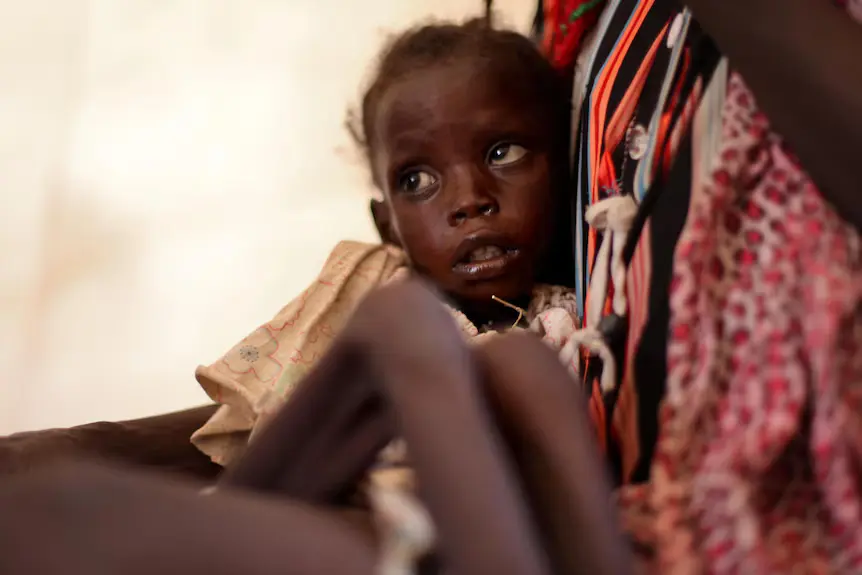
Across Sudan today, many families wake up with the same quiet question: has hope been lost? Since April 2023, a brutal conflict between the Sudanese Armed Forces (SAF) and the Rapid South Forces (RSF) has created one of the world’s most severe humanitarian disasters. Entire cities have emptied, leaving behind only uncertainty and a desperate search for safety.
The scale of the humanitarian crisis Sudan is facing is staggering. More than half of the population requires assistance. According to Doctors Without Borders’ field reports, many families have been displaced multiple times as fighting spreads.
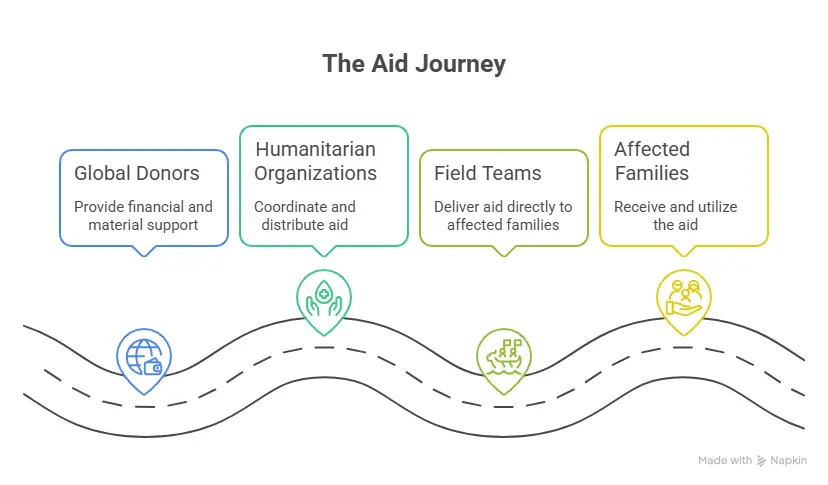
Yet, behind these numbers are real human stories of resilience. Organizations such as the AMEL Foundation work to keep lifelines alive through humanitarian aid Sudan initiatives providing food, healthcare, and emergency support.
Why Has Hope Faded Amid Endless Displacement?
Cycles of Flight and Vulnerability
Since the conflict began, more than 11 million people have been forced to flee—the largest displacement crisis currently unfolding in the world. Families often leave with nothing but a small bag of clothes.
In rural areas, the Sudan conflict impact is particularly devastating. Reports from the International Committee of the Red Cross describe communities isolated from regular assistance because humanitarian access is blocked by damaged roads and security risks.
Diaspora Despair
Sudanese diaspora communities play a critical role, sending money and advocating for international attention. However, watching the crisis from afar creates deep emotional strain. Despite limited resources, these volunteers demonstrate incredible resilience in crisis, showing that communities will mobilize even when institutions struggle.
What Fuels Despair in Humanitarian Needs?
Famine, Disease, and Isolation
One of the most urgent needs is addressing the rapid spread of hunger and disease. With markets collapsed and hospitals destroyed, cholera and other infectious diseases spread quickly in crowded camps. Data from humanitarian assessments on ReliefWeb highlights severe gaps in healthcare, especially for women and children.
The Hidden Mental Health Crisis
Beyond visible devastation lies a trauma crisis. Displaced women report high symptoms of depression and anxiety, while children suffer long-term emotional challenges. Humanitarian organizations are now working to integrate mental health programs into broader aid initiatives.
Why Is Aid Struggling to Reach Everyone?
Barriers to Humanitarian Access
Navigating active fighting and bureaucratic restrictions makes delivery nearly impossible in some regions. Reports from the International Rescue Committee emphasize that the global response remains far below what is required.
The Visibility Gap
Sudan often suffers from a “visibility gap” in global media. When attention fades, funding declines. While social media helps bridge this gap, it cannot replace sustained international engagement.
Can Hope Be Restored for Sudanese Communities?
Stories of Endurance
Hope survives quietly through community volunteers who organize food distributions in abandoned schools. Programs supported by AMEL Foundation emergency initiatives aim to strengthen these local structures by providing supplies and training.
Rebuilding Trust and Stability
Long-term community recovery in Sudan requires rebuilding livelihoods. Efforts like the AMEL Foundation food security programs focus on both immediate hunger and helping families regain independence.
Conclusion
The story of Sudan is one of immense suffering, but also of remarkable strength. Every act of solidarity—from supporting humanitarian initiatives to raising awareness—contributes to recovery. By standing with Sudanese communities, the international community can help transform despair into resilience.

Comments are closed