
The Growing Humanitarian Need in Sudan
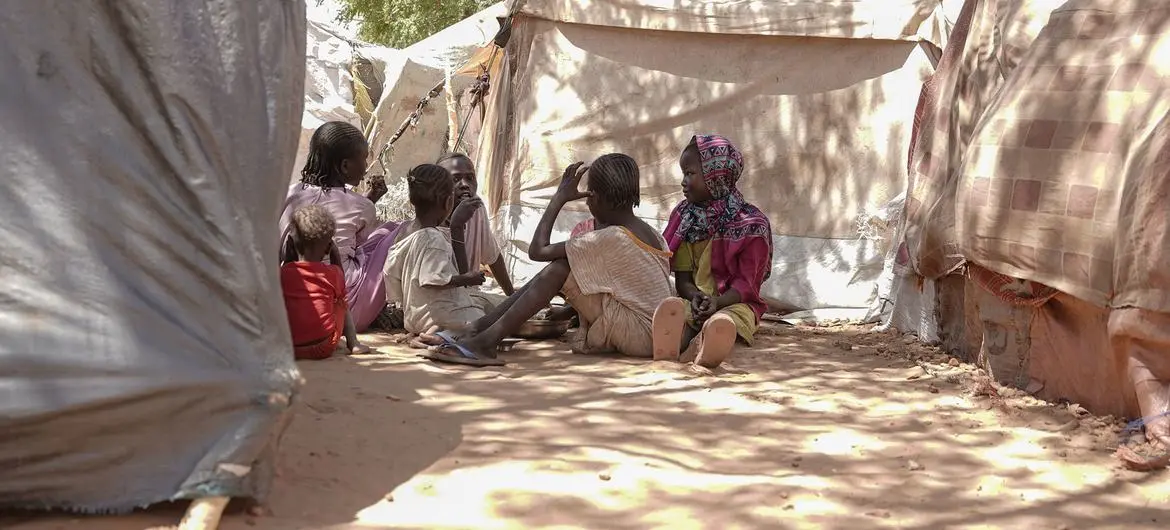
The ongoing humanitarian crisis in Sudan has displaced millions of people, forcing families to leave their homes with little more than what they can carry. Communities that once had stable livelihoods now struggle to meet the most basic needs for survival. Among the most urgent necessities is clothing. When people flee conflict or disaster, they often leave behind wardrobes, belongings, and personal items that once provided comfort and protection.
According to reports from the United Nations Office for the Coordination of Humanitarian Affairs, more than half of Sudan’s population now requires humanitarian assistance. This includes millions of internally displaced people who must live in camps, temporary shelters, or overcrowded communities. In these settings, clothing becomes more than a basic item; it provides warmth, dignity, and protection against illness.
For this reason, many humanitarian organizations encourage people around the world to donate used clothes through responsible and organized channels. When managed effectively, these contributions become a powerful form of humanitarian aid that reaches communities in their most vulnerable moments.
Why Clothing Matters in Humanitarian Emergencies
Clothing is often overlooked in discussions about humanitarian aid. While food and water are critical for survival, clothing plays a vital role in health, safety, and dignity. For displaced families living in unstable conditions, proper clothing helps protect against weather changes, infections, and environmental hazards.
In refugee camps or temporary settlements, people frequently wear the same clothes for weeks or months at a time. Reports from the World Health Organization highlight that overcrowded conditions and limited hygiene resources increase the risk of disease outbreaks. Clean clothing helps reduce these risks and improves overall wellbeing.
The Role of Clothing Donation Programs
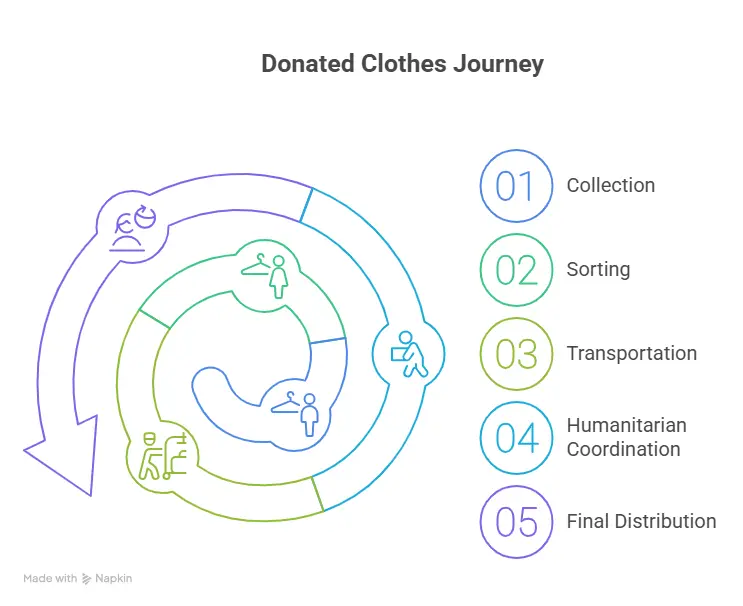
Organized clothing donation programs help ensure that donated items reach communities that truly need them. These programs collect, sort, and distribute clothing through established humanitarian networks.
At the AMEL Foundation, humanitarian programs focus on delivering essential support to communities facing crisis. Through initiatives such as emergency humanitarian response projects, volunteers and partners work to provide relief items, including clothing, food, and medical supplies. These coordinated efforts ensure that assistance reaches those most affected by conflict and displacement.
Challenges in Delivering Clothing Aid
Despite the generosity of donors, delivering clothing aid to crisis zones remains a complex challenge. Conflict conditions and damaged infrastructure often limit the movement of supplies.
Humanitarian organizations working in Sudan face logistical barriers such as blocked roads and security concerns. According to updates published on ReliefWeb’s humanitarian crisis reports, aid agencies frequently struggle to move essential supplies into areas where displacement is highest.
Sustainable Clothing Donation and Responsible Giving
Responsible giving is an important part of effective humanitarian aid. Experts encourage sustainable clothing donation, which focuses on sending high-quality, culturally appropriate items through structured systems rather than random shipments.
When donors search for ways to “donate used clothes near me,” they often find local organizations collecting items for humanitarian responses. A well-organized charity clothing drive can gather large amounts of useful clothing while ensuring quality control, prioritizing items that match the specific climate and needs of displaced Sudanese communities.
Clothing Donations for Refugees and Displaced Communities
Sudan’s crisis has forced millions to seek safety beyond their hometowns. Organizations specializing in clothing donation for refugees work to deliver garments that protect against weather and help families maintain modesty and dignity.
The AMEL Foundation continues to strengthen its impact by supporting vulnerable communities through integrated programs. Through initiatives such as food security programs and health interventions, clothing aid becomes part of a broader effort to stabilize communities affected by crisis.
How Individuals Can Make a Difference
While global crises may seem overwhelming, small contributions collectively create meaningful impact. Choosing to donate clothes to people in need through reliable humanitarian organizations ensures that your gift reaches the right hands.
Organizations like the AMEL Foundation rely on community support to expand their reach. Through responsible donations and awareness efforts, individuals can contribute to life-saving relief operations that serve displaced communities.
A Call for Compassion and Action
The humanitarian crisis in Sudan continues to affect millions. Clothing donations alone cannot solve the crisis, but they are an essential part of the humanitarian response. When you choose to donate, you offer more than fabric—you offer a symbol of shared humanity.

Comments are closed