
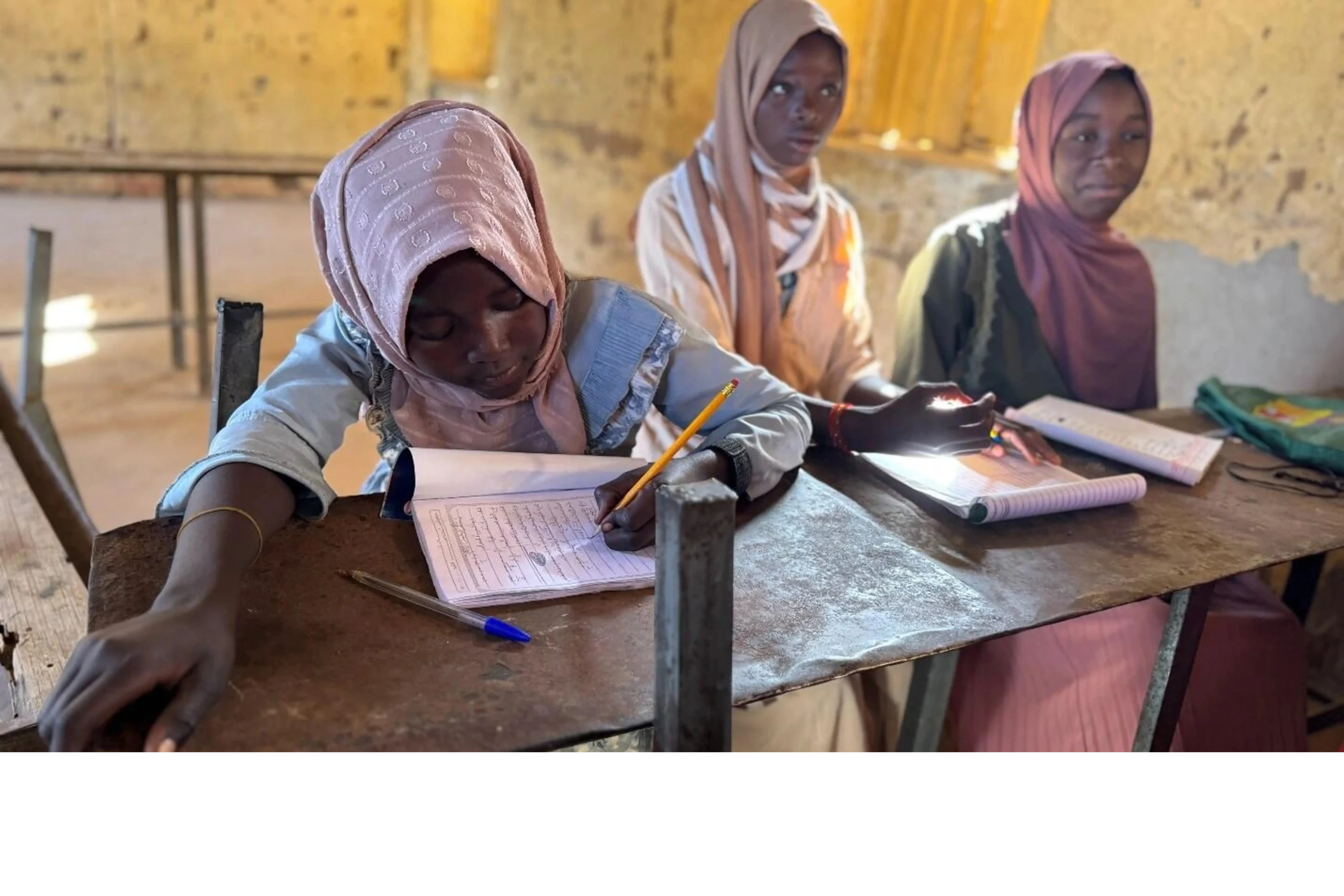
A Crisis That Demands Global Attention
The humanitarian crisis in Sudan has grown into one of the most urgent emergencies in the world today. Since conflict erupted in April 2023, millions of people have been forced to leave their homes, communities have been destroyed, and access to food, healthcare, and safety has collapsed. According to analysis shared by the Center for Disaster Philanthropy’s overview of the Sudan humanitarian crisis, more than half of the country’s population now requires urgent humanitarian support.
For humanitarian experts and organizations working on the ground, the message has become increasingly clear: please donate. Without international support, relief efforts cannot reach the families who need them most. Donations today are not simply financial contributions; they are lifelines that enable food deliveries, emergency medical services, and safe shelter for displaced communities across Sudan.
The AMEL Foundation works alongside humanitarian partners to deliver essential aid to vulnerable communities. Through programs such as emergency response and food security initiatives, the organization continues to support Sudan communities despite difficult conditions. Information about these initiatives can be explored through the AMEL Foundation emergency response programs, which focus on delivering immediate assistance during crises.
Understanding the Scale of Sudan’s Humanitarian Emergency
Sudan’s conflict has triggered the largest displacement crisis currently unfolding in the world. Millions of civilians have been forced to flee their homes as violence spreads across cities, towns, and rural areas. Families often leave with nothing but the clothes they are wearing, walking for days in search of safety.
Reports from the Office of the United Nations High Commissioner for Human Rights indicate that more than 25 million people require humanitarian assistance. Entire communities are now dependent on humanitarian aid Sudan programs to survive. The scale of displacement is staggering, with millions internally displaced while others have crossed borders seeking refuge.
This situation places immense pressure on humanitarian organizations. As displacement increases, so do the demands for food distribution, medical care, and protection services. Each new wave of violence pushes more families into extreme vulnerability, reinforcing why global appeals asking people to donate to Sudan crisis response efforts are growing louder every day.
Why Millions of Families Now Depend on Aid
For many Sudanese families, daily life has become a struggle for survival. Markets have closed, agricultural production has been disrupted, and supply chains have collapsed in many areas. The result is a growing hunger crisis that threatens entire regions.
The United Nations has warned through UN humanitarian reporting on Sudan’s crisis that millions of people face severe food insecurity. Children are particularly at risk, with malnutrition rates rising as families struggle to find regular meals. When families are displaced repeatedly, they lose access to farms, jobs, and local support networks that once sustained them.
This is where emergency relief donations become vital. Donations allow humanitarian organizations to deliver food parcels, nutritional support for children, and emergency medical treatment. Every contribution helps ensure that vulnerable families receive the basic support they need to survive during the crisis.
The Health Crisis Behind the Headlines
Beyond hunger and displacement, Sudan’s healthcare system has also been pushed to the brink of collapse. Hospitals have been damaged or destroyed, medical staff have fled conflict zones, and essential medicines are in extremely short supply.
Public health experts have warned that outbreaks of disease could spread rapidly in overcrowded displacement camps. Access to clean water, sanitation, and healthcare services remains limited in many areas. Reports from the World Health Organization’s emergency updates on Sudan highlight the risk of infectious diseases spreading due to weakened health infrastructure.
Humanitarian assistance Sudan programs play a critical role in addressing these risks. Medical teams supported by humanitarian organizations provide mobile clinics, vaccination campaigns, and emergency care to displaced populations. These efforts are often funded directly through charity for Sudan relief initiatives supported by global donors.
The Challenge of Delivering Aid During Conflict
Providing aid in a conflict zone is never simple. Humanitarian organizations must navigate insecurity, damaged infrastructure, and limited access to communities. In Sudan, these challenges are particularly severe.
Aid deliveries are sometimes delayed by blocked roads, damaged bridges, or restrictions placed by armed groups. Humanitarian teams often operate in difficult and dangerous environments to ensure that supplies reach those in need. Despite these obstacles, relief workers continue to push forward because the needs are too urgent to ignore.
The dedication of humanitarian workers demonstrates why crisis response donations remain essential. Every donation helps organizations overcome logistical barriers, purchase supplies, and deliver aid where it is needed most.
The Role of Humanitarian Organizations in Sudan
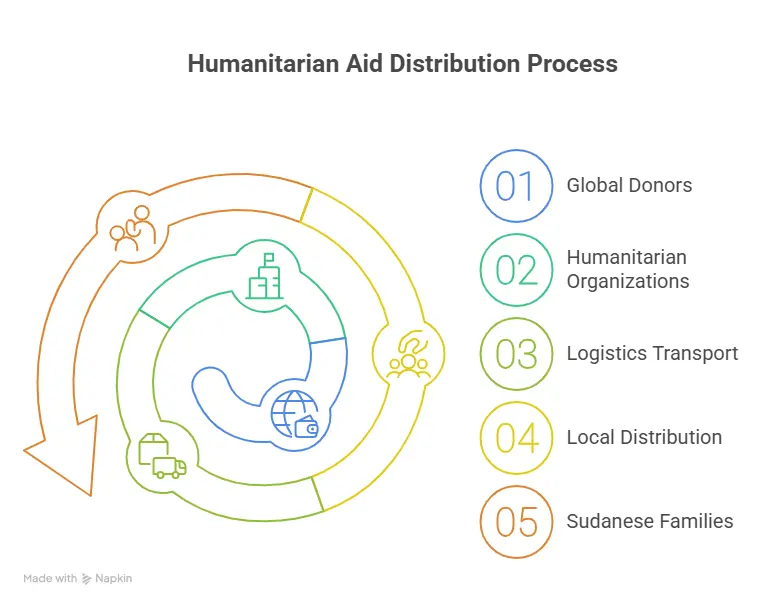
Humanitarian organizations serve as a lifeline for communities facing crisis. Through coordinated efforts, they deliver food, water, shelter, and medical services to those affected by conflict. These operations often depend on partnerships between international organizations and local community groups.
The AMEL Foundation has long focused on community-driven humanitarian work. Through programs such as food security, healthcare assistance, and water access projects, the organization seeks to strengthen local resilience. These initiatives are described further in the AMEL Foundation’s mission and humanitarian work overview, which highlights the importance of community-centered support.
Support for humanitarian programs ensures that organizations like AMEL can maintain ongoing aid operations even during prolonged crises. Long-term humanitarian assistance allows communities to rebuild stability and restore essential services.
How Donations Translate into Real Impact
Many people ask an important question when they see appeals asking them to please donate: does a single donation really make a difference? The answer from humanitarian organizations is a clear yes.
When individuals contribute to humanitarian appeals, their donations help fund specific forms of assistance. These include food distribution for displaced families, emergency healthcare for injured civilians, and safe water programs in refugee settlements. Even small contributions can help purchase essential supplies that are delivered directly to communities.
For Sudanese families facing unimaginable hardship, donations represent hope. Contributions allow humanitarian teams to respond quickly to emerging needs and prevent further suffering.
Why Global Solidarity Matters
Humanitarian crises often fade from international headlines, but the reality for affected communities continues long after the news cycle moves on. Sudan’s crisis has persisted for years, yet many families remain trapped in conditions of extreme vulnerability.
International solidarity plays a critical role in sustaining humanitarian responses. When individuals choose to donate to help Sudan families, they contribute to a global effort that keeps life-saving programs running. Donations also signal to governments and institutions that the world has not forgotten Sudan’s people.
The Power of Collective Action
Humanitarian experts often emphasize that lasting impact requires collective action. One organization alone cannot address a crisis of this scale. It takes coordinated efforts from international agencies, local organizations, volunteers, and donors around the world.
Charity for Sudan relief efforts depend heavily on public support. As funding gaps widen, humanitarian organizations must rely more on donations to maintain essential services. This is why humanitarian appeals continue to emphasize the importance of giving. The call to please donate is not simply a request for funding; it is an invitation to stand with communities experiencing unimaginable hardship.
A Call to Stand with Sudan
The Sudan humanitarian crisis represents one of the most severe humanitarian emergencies of our time. Millions of people remain displaced, food insecurity continues to spread, and access to healthcare remains dangerously limited.
Humanitarian organizations such as the AMEL Foundation remain committed to supporting those affected by the crisis. Through emergency relief, healthcare support, and community resilience programs, these efforts aim to protect lives and restore dignity.
But these efforts depend on global support. When people choose to donate to Sudan crisis response initiatives, they help ensure that humanitarian aid reaches families who need it most. In moments of crisis, solidarity becomes a powerful force for hope.The call remains simple but urgent: please donate. Your support can help sustain humanitarian assistance, strengthen relief programs, and stand beside the Sudanese people during one of the most challenging periods in their history.

Comments are closed