
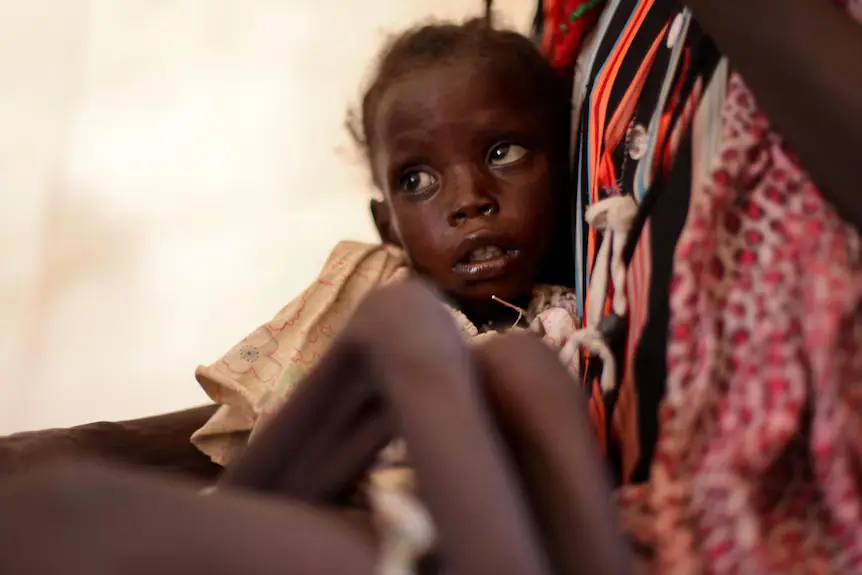
Childhood cancer in Sudan has become a hidden emergency within one of the world’s most severe humanitarian crises. Children who need regular tests, specialist doctors, chemotherapy, safe hospital rooms, and nutritious food are trying to survive in a country where essential services have been deeply damaged by war.
In 2026, Sudan faces the highest humanitarian needs recorded anywhere in the world. Around 33.7 million people require assistance, including 17.3 million children. Behind these figures are families searching for medicine, travelling through unsafe areas, and trying to protect seriously ill children after losing their homes and incomes.
Childhood cancer is often treatable, but treatment must begin early and continue according to a careful medical plan. When hospitals close and medicine supplies stop, the disease becomes far more dangerous. For children in Sudan, survival may depend less on medical possibility and more on whether care can be reached at all.
Why Childhood Cancer in Sudan Is a Humanitarian Emergency
Cancer care cannot pause until a conflict ends. Childhood cancers can grow quickly, and some require immediate treatment after diagnosis. A delay of several weeks may allow the disease to progress or make later treatment more difficult.
Children undergoing chemotherapy may also have weakened immune systems. They need clean water, safe food, infection control, blood tests, and rapid medical attention if they develop a fever. In crowded displacement sites or damaged hospitals, these basic protections may be unavailable.
Sudan’s wider health emergency increases the danger. The World Health Organization’s 2026 emergency assessment reports that nearly 40% of health facilities are not functioning, while malaria, measles, dengue, and other diseases continue to threaten vulnerable communities.
Cancer Care Requires a Complete Medical System
Pediatric oncology in Sudan depends on much more than the presence of a doctor. Effective care requires laboratories, imaging equipment, trained nurses, blood banks, pharmacies, reliable electricity, safe medicine storage, and functioning referral systems.
If one part of this system fails, treatment can be interrupted. A doctor cannot safely give chemotherapy without the blood tests needed to check whether a child’s body can tolerate it. Medicine cannot be used if it has been damaged by heat or stored under unsafe conditions.
This is why cancer care during conflict is so difficult. Even when medicines reach a hospital, power cuts, staff shortages, damaged equipment, or blocked roads may prevent children from receiving them safely.
Why Continuity of Treatment Matters
Childhood cancer treatment is usually delivered in planned stages. Each stage has a specific purpose, such as destroying cancer cells, preventing the disease from returning, or maintaining recovery.
When a child misses several appointments, doctors may need to repeat tests or change the treatment plan. The child may return with a serious infection, advanced disease, severe weakness, or pain that could have been prevented.
Interruptions can also cause families to lose trust in the possibility of recovery. When every hospital visit involves danger, high transport costs, and uncertainty about medicine, some families may feel they have no realistic way to continue.
The Collapse of Specialist Cancer Services
Before the war, Sudan already had limited specialist cancer services. Many patients travelled long distances to reach major centres in Khartoum or Wad Medani. The conflict placed enormous pressure on this already fragile system.
The country’s main cancer facilities were affected as fighting spread. Khartoum Oncology Hospital, a central location for cancer treatment, diagnosis, and research, became non-functional. The National Cancer Institute in Wad Medani later faced similar disruption when the conflict reached Al-Gezira State.
An analysis of the collapse of cancer care in Sudan found that patients were forced to move between several regional centres in search of treatment. The number of children attending the National Cancer Institute reportedly increased fourfold before its services were disrupted, with three or four children sometimes sharing one hospital bed.
Hospitals Outside Conflict Areas Are Overwhelmed
When one hospital closes, its patients do not disappear. They move to other cities and place greater pressure on facilities that may already lack staff, beds, medicines, and diagnostic equipment.
Regional centres in places such as Merowe, Shendi, Atbara, Port Sudan, and Kassala have received patients displaced from other areas. These centres have shown great commitment, but many were not designed to manage such a rapid rise in demand.
Overcrowding creates additional risks for children with weak immune systems. Sharing rooms, beds, or waiting areas increases exposure to respiratory infections, diarrhoeal disease, and other illnesses that can become life-threatening during cancer treatment.
The True Number of Affected Children Is Unknown
The current scale of childhood cancer in Sudan is difficult to measure. Medical records have been lost, families have moved repeatedly, and many children cannot reach facilities where their cases would normally be registered.
This lack of data makes the crisis less visible. A child who dies without reaching a functioning cancer centre may never appear in national oncology records. The absence of reliable figures should not be mistaken for the absence of need.
Childhood cancer survival rates in Sudan during the conflict are therefore difficult to calculate. What is clear is that the loss of diagnosis, treatment, and follow-up services is placing many children at avoidable risk.
Displaced Children With Cancer Face Greater Risks
Displacement changes every part of a child’s treatment journey. Families may leave home suddenly without medical reports, test results, prescriptions, or enough medicine to last until the next appointment.
Some displaced children with cancer have been moved several times as fighting reaches areas that were previously considered safer. Each move may involve extreme heat, crowded transport, limited water, and long periods without medical supervision.
The physical strain is serious for a child already weakened by cancer. The emotional strain can be equally harmful. Children may lose their homes, schools, friends, and familiar doctors while trying to understand a frightening illness.
Reaching Treatment Can Become Impossible
A family may know exactly where treatment is available but still be unable to reach it. Roads may be blocked, transport may be unaffordable, and fuel may be scarce. Travelling through areas affected by fighting can also place the whole family in danger.
When families arrive, there is no guarantee that the required service will be available. A clinic may have a doctor but no medicine, or medicine but no functioning laboratory. A hospital may also lack beds or the ability to treat serious infections.
These barriers explain why pediatric cancer support must cover the whole journey. Paying for one medicine is not enough when a family cannot afford transport, food, accommodation, tests, and follow-up appointments.
Infection Is a Constant Threat
Chemotherapy can reduce the number of white blood cells that help the body fight infection. A fever that would usually be manageable can become a medical emergency for a child receiving treatment.
Displacement sites often lack safe sanitation, clean water, and enough space between families. These conditions increase the spread of infectious diseases and make isolation almost impossible.
The WHO public health analysis of Sudan describes a crisis shaped by large-scale displacement, damaged health services, food insecurity, and widespread public health needs. These combined dangers are especially severe for children whose immune systems are already weakened.
Malnutrition Can Prevent Safe Cancer Treatment
A child needs strength to tolerate chemotherapy, recover from surgery, and fight infection. Yet many Sudanese families are struggling to secure enough food, particularly after displacement or the loss of their income.
Malnutrition can make treatment side effects more severe and recovery slower. It may also force doctors to reduce or postpone chemotherapy because the child’s body is too weak to receive the planned dose safely.
AMEL Foundation’s food security work supports vulnerable families facing hunger and displacement. Food assistance does not replace medical treatment, but reliable nutrition can help protect a child’s strength during illness and reduce one of the pressures affecting treatment.
Safe Water Is Part of Cancer Care
Clean water is essential for drinking, preparing food, washing hands, and keeping wounds or medical equipment clean. When water sources are unsafe, children face a higher risk of diarrhoea and other infections.
For children undergoing chemotherapy, dehydration and waterborne illness can quickly become dangerous. A child may need hospital treatment for an infection at the same time that cancer services are already limited.
AMEL Foundation’s clean-water programmes address this wider health need. Connecting water, nutrition, sanitation, and healthcare services provides stronger protection than treating each need separately.
Why Chemotherapy Access in Sudan Is So Limited
Chemotherapy access in Sudan depends on international and local supply chains that have been severely disrupted. Medicines must pass through ports, storage facilities, pharmacies, hospitals, and secure transport routes before reaching a child.
Some cancer medicines and supportive treatments require controlled temperatures. Electricity failures and fuel shortages can make safe storage difficult, particularly outside major cities.
The problem also includes shortages of antibiotics, blood products, laboratory materials, anti-nausea medicines, and pain relief. Chemotherapy cannot be delivered safely without these supporting services.
Specialist Workers Have Also Been Displaced
Sudan’s cancer specialists, nurses, pharmacists, laboratory staff, and technicians have faced the same violence and displacement as the people they serve. Some have been forced to leave their cities or the country.
Those who remain may work without regular salaries, stable electricity, or enough medical supplies. They may treat far more patients than their facilities were designed to support.
Their commitment has prevented an even greater collapse, but individual dedication cannot replace a functioning healthcare system. Humanitarian medical aid must support both medical supplies and the professionals required to use them safely.
Pain Relief Must Not Be Forgotten
Some children reach medical care when their cancer is already advanced. They may experience severe pain, breathing difficulties, or other distressing symptoms.
Palliative care can reduce suffering even when full treatment is unavailable. However, pain medicines and trained palliative-care staff are often scarce during humanitarian emergencies.
No child should be left in severe pain because cancer treatment cannot be completed. Relief from suffering is a basic part of medical care and must remain a priority during war.
Recognising Childhood Cancer Symptoms
Childhood cancer symptoms can resemble common illnesses, which makes early recognition difficult. Persistent symptoms should be assessed by a trained health professional, particularly when they are unusual or continue despite basic treatment.
Possible warning signs include unexplained swelling, continuing fever, severe tiredness, unusual bruising, repeated infections, bone pain, weight loss, persistent headaches, or changes in the eyes. These signs do not automatically mean that a child has cancer.
Awareness should encourage careful medical assessment rather than panic. Families need clear information and access to clinics capable of deciding whether further tests are required.
Early Cancer Diagnosis Saves Time
Early cancer diagnosis can allow treatment to begin before the disease becomes more difficult to control. It may also reduce complications and lower the cost and intensity of care.
The World Health Organization’s guidance on childhood cancer states that more than 80% of children with cancer can be cured in high-income countries. In many lower-income settings, fewer than 30% are cured because of delayed diagnosis, limited treatment, medicine shortages, and treatment abandonment.
This global survival gap shows that childhood cancer outcomes are shaped by access as well as medicine. A treatment can exist, but it cannot save a child who is unable to reach it.
Diagnosis Requires Local Healthcare Services
Families cannot act on warning signs when local clinics have closed or lack trained staff. They may travel for days before reaching a facility that can perform blood tests or medical imaging.
AMEL Foundation’s healthcare programmes support access to essential medical assistance for communities affected by crisis. Stronger local healthcare services can identify serious symptoms sooner and guide families towards appropriate specialist care.
Community-level services are particularly important in areas far from oncology centres. They can help families understand when symptoms require urgent attention and reduce dangerous delays.
Families Need Practical and Emotional Support
A childhood cancer diagnosis affects the entire household. Parents may stop working to care for the child, while brothers and sisters may lose attention, education, or stability.
Families may also experience fear, guilt, exhaustion, and grief. Displacement makes these feelings harder to manage because familiar relatives, neighbours, and community support may be far away.
Pediatric cancer support should therefore include emotional care, honest communication, safe spaces for children, and practical assistance for caregivers. Children still need opportunities to learn, play, and feel connected to ordinary life.
Financial Help Protects Treatment Continuity
The cost of cancer care is not limited to medicine. Families may need to pay for transport, diagnostic tests, temporary accommodation, food, and repeated hospital visits.
Many displaced families have lost their homes, savings, and sources of income. They may be forced to choose between one child’s treatment and the basic needs of the rest of the household.
Financial support can prevent treatment from ending for avoidable reasons. It should be delivered through transparent, respectful systems that protect the dignity of families.
Local Courage Needs International Support
Sudanese doctors, nurses, volunteers, community organisations, and families continue to protect children under extraordinary conditions. They share information about available treatment, arrange referrals, find medicines, and support families arriving in unfamiliar cities.
Sudanese medical professionals living abroad have also helped through remote consultations, fundraising, and support for medicine deliveries. These networks show what local knowledge and commitment can achieve.
However, grassroots action cannot rebuild the entire cancer system alone. Reliable international funding, protected humanitarian routes, stronger medicine supply chains, and coordinated medical referrals are urgently needed.
Medical Evacuation Must Remain an Option
Some children need treatment that cannot currently be provided safely inside Sudan. In these cases, medical evacuation or cross-border referral may be the only realistic option.
International agencies and governments should help families obtain documentation, transport, and access to hospitals in neighbouring countries. Administrative delays should not determine whether a child receives time-sensitive care.
Sudanese children deserve the same international concern given to pediatric patients in other conflicts. Their medical needs should not receive less attention because the crisis has continued for several years.
Humanitarian Medical Aid Must Include Cancer Care
Emergency responses often focus on trauma, infectious disease, hunger, and maternal health. These priorities are essential, but children with cancer must not be excluded because their care is complex.
Humanitarian medical aid should include essential cancer medicines, diagnostic services, pain relief, blood supplies, specialist support, and safe referral pathways. Funding should also strengthen the remaining treatment centres and the health workers keeping them open.
A child with cancer is not less urgent than any other patient. Treatment interruptions can be fatal, even when the consequences are not immediately visible.
Protecting Children Means Protecting Sudan’s Future
Childhood cancer in Sudan has become a test of global humanitarian responsibility. The disease is not always beyond treatment, but war has removed many of the systems that make survival possible.
Sudanese families continue to carry children across long distances in search of care. Medical workers continue serving patients despite shortages, insecurity, and personal loss. Their strength deserves more than praise. It deserves practical support.
Donors and humanitarian partners can help protect children through healthcare, nutrition, clean water, transport assistance, and stronger referral systems. They can also keep childhood cancer visible within international discussions about Sudan.
No child should lose the chance to recover because a hospital was destroyed, a road was blocked, or medicine arrived too late. Responding to childhood cancer in Sudan means defending every child’s right to care, dignity, relief from pain, and a possible future.

Comments are closed