
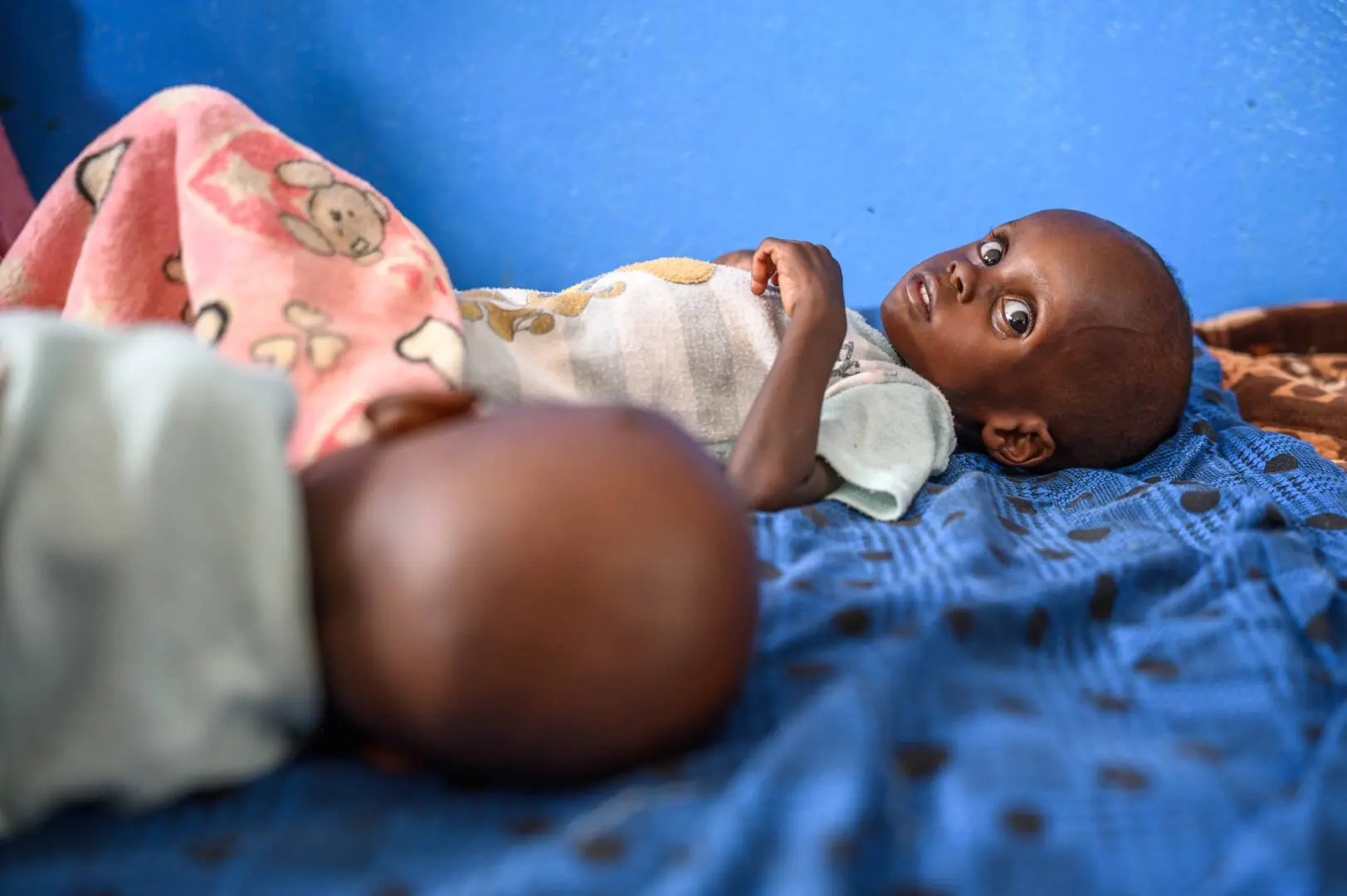
Childhood cancer awareness is often linked to gold ribbons, fundraising campaigns, and messages of hope. These efforts are valuable, but awareness must mean more than recognition. It must help children receive an early diagnosis, reach safe medical care, complete treatment, and live without unnecessary pain.
In Sudan, this need has become especially urgent. Children with cancer are living through a national humanitarian crisis that has damaged hospitals, displaced families, interrupted medicine supplies, and pushed millions into hunger. For these children, the difference between survival and loss may depend on whether treatment remains available from one week to the next.
A UNICEF humanitarian report on Sudan stated that 33.7 million people, including 17.3 million children, required urgent humanitarian assistance in early 2026. It also reported that displacement had reached 9.1 million people. Within these enormous figures are children whose cancer treatment cannot safely be delayed.
Why Childhood Cancer Awareness Matters in Sudan
Childhood cancer is not one disease. It includes conditions such as leukaemia, brain tumours, lymphomas, neuroblastoma, bone cancer, and Wilms tumour. Each condition requires a correct diagnosis and a treatment plan designed for the child’s age, health, and type of cancer.
Many childhood cancers can be treated successfully when medical care begins early and continues without interruption. However, a child’s chance of recovery depends heavily on where that child lives and whether specialist services are available.
The World Health Organization’s childhood cancer guidance explains that more than 80% of children with cancer are cured in high-income countries. In many low- and middle-income countries, fewer than 30% are cured because of delayed diagnosis, inaccessible treatment, medicine shortages, treatment abandonment, and avoidable relapse.
A Health Emergency Hidden Inside a Larger Crisis
The war in Sudan has placed children with serious illnesses inside several emergencies at once. A child may face cancer while also experiencing displacement, hunger, unsafe water, disease outbreaks, and separation from familiar doctors.
The wider health system is under extreme pressure. According to the WHO Health Emergency Appeal for Sudan, nearly 40% of health facilities were non-functional in 2026. Cholera, malaria, measles, and dengue were also spreading in communities with low immunisation coverage and limited access to care.
These conditions are dangerous for every child, but they are especially dangerous for children receiving chemotherapy. Cancer and its treatment can weaken the immune system, leaving the body less able to fight infections that might otherwise be manageable.
Awareness Must Reflect What Families Actually Face
Traditional cancer awareness campaigns often focus on research, screening, and fundraising. In a conflict zone, awareness must also explain why a family cannot reach a hospital, why a child has missed chemotherapy, or why a parent has been unable to find antibiotics.
The problem is not that Sudanese families do not care enough about treatment. Many parents travel long distances, sell belongings, borrow money, and risk unsafe roads to keep a child’s treatment going. The problem is that the system around them has been severely damaged.
Real childhood cancer awareness must therefore focus on access. It must create pressure for functioning hospitals, essential medicines, safe referrals, trained medical workers, nutrition support, and protection for patients travelling through conflict-affected areas.
Recognising Childhood Cancer Symptoms
Childhood cancer symptoms can be difficult to recognise because many resemble common childhood illnesses. A fever, headache, tiredness, or loss of appetite is usually not caused by cancer. However, symptoms that are severe, unexplained, or continue for a long time should be assessed by a qualified health professional.
Warning signs can include persistent fever, unexplained weight loss, unusual swelling, frequent bruising, severe tiredness, bone pain, continuing headaches, changes in the eyes, or repeated infections. These symptoms do not confirm cancer, but they may show that further tests are needed.
Awareness should help families act without causing panic. Parents need clear information that encourages medical assessment while avoiding fear or misinformation.
Why Early Cancer Diagnosis Matters
Early cancer diagnosis can increase the chance of successful treatment. It may also reduce suffering and allow some children to receive less intensive or less expensive care.
Diagnosis is not one simple test. It may require a physical examination, blood tests, medical imaging, pathology services, and specialist review. After diagnosis, doctors must identify the type and stage of cancer before choosing the correct pediatric cancer treatment.
WHO identifies three essential parts of early diagnosis: awareness of symptoms, accurate and timely medical assessment, and prompt access to treatment. When any of these parts is missing, the child may arrive at a hospital with more advanced disease.
Early Diagnosis Requires Functioning Local Healthcare
Families cannot respond to warning signs if nearby clinics are closed or have no trained staff. They may also delay seeking help when transport is expensive, roads are unsafe, or hospital fees appear impossible to afford.
Supporting general healthcare services is therefore part of cancer awareness. AMEL Foundation’s healthcare initiatives help strengthen access to medical assistance for vulnerable Sudanese communities facing conflict and displacement.
Community health workers can also play an important role. When properly trained, they can recognise worrying symptoms, guide families towards available services, and reduce delays between the first warning sign and specialist care.
How War Has Damaged Pediatric Oncology Care
Pediatric oncology care depends on much more than a hospital building. It requires oncologists, trained nurses, laboratories, blood banks, pharmacies, imaging equipment, safe treatment rooms, electricity, clean water, and reliable medical records.
Sudan’s specialist cancer services were already limited and concentrated in a small number of centres before the conflict. When these centres stopped operating, patients were redirected towards smaller facilities with fewer resources.
A published analysis of the collapse of cancer care during Sudan’s conflict reported that Khartoum Oncology Hospital, the country’s main cancer hub, became non-functional. The National Cancer Institute in Wad Medani faced a similar crisis when violence spread into Al-Gezira State.
Interrupted Treatment Can Reverse Medical Progress
Cancer treatment often follows a strict schedule. Chemotherapy may be delivered in planned stages, with each stage designed to control cancer cells and reduce the risk of the disease returning.
When treatment is interrupted, doctors may need to repeat medical tests, change the treatment plan, or manage new complications. Some children may return with infections, severe weakness, uncontrolled pain, or cancer that has progressed.
Interrupted treatment also places families under great emotional pressure. Parents may know that their child needs medicine but have no safe way to reach it. This sense of helplessness can remain long after the immediate crisis has passed.
Medicine Shortages Are Only Part of the Problem
Cancer medicines must be purchased, transported, stored, prepared, and administered safely. Some treatments need controlled temperatures, while others require trained staff and laboratory checks before each dose.
Power cuts can damage medicine storage and stop diagnostic equipment from working. Fuel shortages can delay deliveries. Insecurity may prevent medical workers from reaching hospitals, while damaged roads can block patients from attending appointments.
Pediatric oncology care therefore requires a complete and protected supply system. Sending medicine without supporting storage, transportation, staff, diagnostics, and follow-up care cannot provide a reliable solution.
How Displacement Changes a Child’s Cancer Journey
Displacement can separate children from their doctors, treatment centres, medical files, and support networks. Families may leave home suddenly with only a small bag and no clear information about where cancer services are still available.
Some children are displaced more than once as areas that were considered safer become affected by violence. Each move increases the risk of missed appointments, lost medicine, infection, and physical exhaustion.
A child weakened by cancer may be forced to travel for hours in extreme heat or crowded vehicles. On arrival, the family may discover that the nearest clinic has no specialist, no bed, or no required medicine.
Malnutrition Makes Treatment More Dangerous
Nutrition is an important part of support for children with cancer. A child needs enough energy, protein, vitamins, and fluids to maintain strength and recover between treatment cycles.
Malnutrition can make treatment side effects harder to manage. It can increase weakness, slow recovery, and make infections more dangerous. In severe cases, doctors may be forced to delay or adjust treatment because the child’s body is too fragile.
AMEL Foundation’s food security programmes address the wider hunger crisis affecting displaced and vulnerable families. Although food assistance is not a replacement for cancer treatment, dependable nutrition can help protect children whose health is already under pressure.
Clean Water Protects Weakened Immune Systems
Children receiving cancer treatment need safe drinking water and clean environments. When water is contaminated, diseases can spread quickly through homes, shelters, and crowded communities.
For a child with a weakened immune system, diarrhoea or another waterborne illness may become a serious medical emergency. Safe water is therefore closely connected to cancer care, infection prevention, and recovery.
AMEL Foundation’s water programmes support access to clean water for communities affected by the humanitarian crisis. Connecting health, nutrition, and water services creates stronger protection for vulnerable children.
Families Need Emotional and Financial Support
Cancer affects the whole family. Parents may experience fear, exhaustion, guilt, and uncertainty. Brothers and sisters may feel confused or overlooked, while the child may struggle with pain, isolation, and changes in daily life.
Emotional support for families should be part of comprehensive cancer care. Parents need honest information, compassionate communication, counselling where possible, and support from people who understand the pressure of caring for a seriously ill child.
Children also need opportunities to play, learn, communicate, and feel safe. They should not lose their identity or dignity because they have become patients.
The Financial Burden Can End Treatment
Even where care is available, families may be unable to afford the full cost. Expenses may include medical tests, medicine, transport, accommodation, food, and time away from work.
Displaced families often face these costs after losing their income, savings, home, or possessions. Some parents may pay for one part of treatment but have no money left for the next appointment.
Financial aid for cancer care can reduce treatment abandonment. Effective assistance should consider the whole journey, not only the price of chemotherapy. Transport, food, temporary housing, laboratory services, and emergency referrals may all determine whether treatment continues.
Support Must Protect Family Dignity
Families should not be forced to repeatedly prove their suffering or share painful personal details publicly to receive help. Assistance should be delivered through fair, transparent, and respectful systems.
Local organisations can help identify urgent needs because they understand the communities, healthcare routes, and changing security conditions. International donors can strengthen this work through flexible and accountable funding.
Turning Childhood Cancer Awareness Into Action
Childhood cancer research remains essential. It helps doctors understand disease, improve treatment, reduce side effects, and increase childhood cancer survival rates. However, existing treatments cannot save children who cannot reach them.
Awareness campaigns should therefore connect medical knowledge with humanitarian reality. They should explain that a treatable disease may become fatal when hospitals close, medicines disappear, or families are displaced.
The purpose of awareness is not only to make people feel sympathy. It is to build informed public support for practical action.
What Effective Advocacy Should Demand
Effective advocacy should call for protected healthcare facilities, secure humanitarian access, reliable medicine supplies, trained oncology workers, functioning diagnostic services, and safe referral routes.
It should also support medical evacuation when the required treatment cannot be provided safely inside Sudan. Children crossing borders need timely documentation and access to host-country healthcare without long administrative delays.
Global health organisations, governments, medical institutions, charities, and donors all have a role. No single organisation can rebuild Sudan’s pediatric cancer system alone, but coordinated action can prevent avoidable deaths.
Local Medical Workers Must Not Be Forgotten
Sudanese doctors, nurses, pharmacists, volunteers, and community organisations continue to provide care under extremely difficult conditions. Many have experienced displacement and personal loss while still working to protect patients.
Their knowledge is essential. They understand which facilities are functioning, which roads are accessible, and which communities face the greatest barriers.
Supporting local medical capacity is not a temporary measure. It is also an investment in Sudan’s future health system, including stronger pediatric oncology care, better early diagnosis, and more reliable treatment access.
Childhood Cancer Awareness Must Protect Every Child
Childhood cancer awareness carries a clear message: a child’s chance of survival should not be decided by nationality, income, displacement, or war.
In Sudan, awareness must expose the conditions that prevent treatment. It must show how hospital closures, medicine shortages, malnutrition, unsafe water, and poverty combine to place children in danger.
Sudanese families have shown remarkable courage, but courage cannot replace chemotherapy, diagnostic testing, nutrition, or specialist care. Local medical teams have shown deep commitment, but commitment cannot repair equipment or reopen supply routes without support.
Donors, institutions, and humanitarian partners can help turn attention into action. By supporting trusted healthcare and relief programmes, they can reduce the pressure on vulnerable families and help protect children whose treatment cannot wait.
Childhood cancer awareness should not end when a campaign closes or a commemorative month passes. It must continue until every child has a fair chance to receive the care, comfort, and future they deserve.

Comments are closed