
For kids with cancer, treatment is not a single hospital visit. It is a carefully planned journey involving tests, medicines, regular monitoring, nutrition, infection prevention, and emotional care. When one part of this system fails, a child’s health can quickly become more fragile.
In Sudan, that system has been severely damaged by war, displacement, hunger, and the collapse of essential services. Children who were already fighting life-threatening illnesses are now also facing closed hospitals, medicine shortages, unsafe roads, and repeated displacement.
Sudan’s crisis is affecting almost every part of childhood. According to UNICEF’s 2026 humanitarian assessment, 33.7 million people need urgent humanitarian assistance, including 17.3 million children. For a child with cancer, these conditions can turn a treatable disease into an emergency with very few options.
Why Are Kids With Cancer Especially Vulnerable During War?
Cancer weakens the body, and many forms of pediatric cancer treatment can temporarily weaken the immune system further. This means that ordinary infections may become dangerous, particularly when children are living in crowded shelters or communities without clean water, nutritious food, or reliable medical care.
The wider health emergency makes this risk even greater. The World Health Organization’s Sudan emergency appeal reports that nearly 40% of Sudan’s health facilities are not functioning. Cholera, malaria, measles, and dengue have also continued to threaten communities already affected by hunger and displacement.
Kids with cancer cannot safely wait for stability to return. Their treatment often depends on precise schedules and specialist supervision. A missed medicine, delayed blood test, or untreated fever can change the direction of a child’s recovery.
What Happens When Pediatric Oncology Services Collapse?
Pediatric oncology depends on trained doctors, nurses, laboratories, imaging equipment, blood banks, pharmacies, and safe treatment spaces. These services must work together. A hospital building alone cannot provide effective cancer treatment for children if it has no electricity, medicines, specialists, or functioning equipment.
Sudan had limited cancer care capacity even before the current conflict. Much of the country’s specialist care was concentrated in a small number of centres. Once violence reached these locations, thousands of patients were forced to search for treatment elsewhere.
The Loss of Major Cancer Treatment Centres
Khartoum Oncology Hospital was one of Sudan’s most important centres for diagnosis, treatment, and cancer research. It became non-functional after fighting spread across the capital. Patients were redirected to smaller centres that were already operating with limited staff and resources.
The National Cancer Institute in Wad Medani later faced severe disruption when violence reached Al-Gezira State. Research on the collapse of cancer care in Sudan explains how the loss of these major centres affected diagnostics, chemotherapy, radiotherapy, and continuity of care across the country.
For children, this was not simply a change of hospital. It meant lost medical records, interrupted treatment cycles, delayed diagnoses, and dangerous journeys to unfamiliar locations.
Why Interrupted Treatment Can Be Life-Threatening
Many childhood cancers can be successfully treated when care begins early and continues according to a medical plan. Chemotherapy may be given in several stages, with each stage designed to control cancer cells and reduce the risk of the disease returning.
When treatment stops for long periods, doctors may need to repeat tests, change medicines, or respond to new complications. Some children return to care with more advanced disease, serious infections, severe pain, or extreme weakness.
This is why cancer treatment for children must be protected as an essential humanitarian service. It cannot be treated as care that can simply be delayed until a conflict ends.
How Does Displacement Affect a Child’s Cancer Treatment?
A displaced family may leave home with only a few clothes, identity papers, and whatever medicine can be carried. Medical reports may be lost during sudden evacuations. Refrigerated medicines may become unusable. A family may not even know which hospitals are still open.
Sudan’s displaced population includes families who have moved more than once as violence has spread. The WHO public health analysis of the Sudan emergency estimated that approximately 11.5 million people had been forcibly displaced, including those displaced inside Sudan and those crossing its borders.
For a healthy child, repeated travel through extreme heat, insecurity, and overcrowding is exhausting. For a child receiving chemotherapy, the same journey can cause dehydration, infection, treatment delays, and serious emotional distress.
The Dangerous Journey to Find Treatment
Families may travel for hours or days to reach a functioning clinic. Fuel shortages and rising transport costs can make the journey unaffordable. Roads may be blocked, unsafe, or controlled by armed groups.
Even after reaching a medical centre, there may be no available specialist, hospital bed, medicine, or laboratory service. Families are then forced to decide whether to wait, travel again, or return to a displacement site without treatment.
This places a heavy burden on parents and caregivers. Financial aid for cancer care must therefore include more than the price of medicine. It may also need to cover transport, temporary accommodation, food, diagnostic tests, and emergency referrals.
Malnutrition and Infection Create Additional Threats
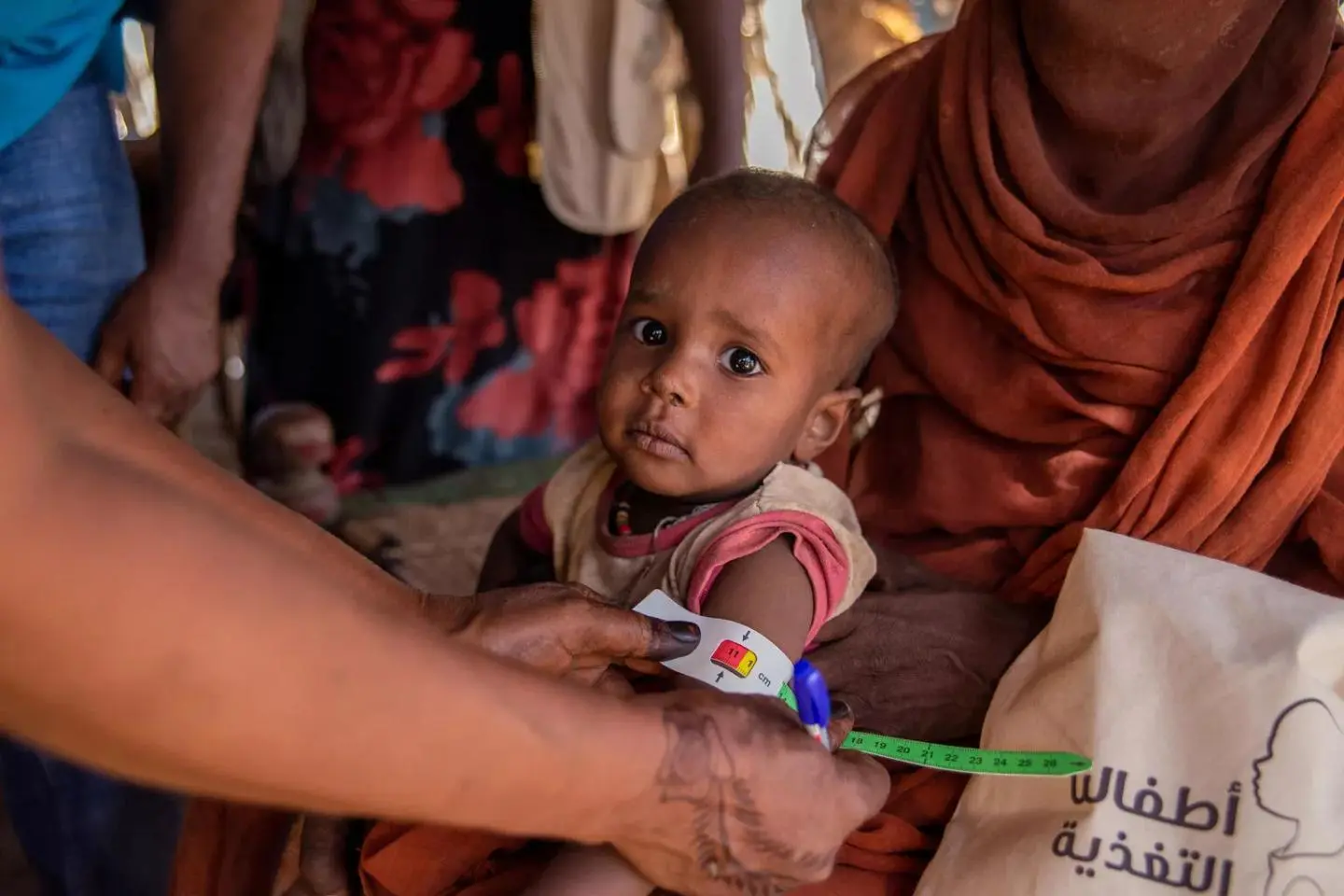
Cancer treatment requires physical strength. Children need nutritious food to maintain their weight, recover between treatment cycles, and respond to infections. However, millions of Sudanese families are struggling to access enough food.
Malnutrition can delay treatment and make side effects harder to manage. It can also increase the danger of common infections. AMEL Foundation’s food security programmes in Sudan respond to this wider emergency by supporting families who are being forced to choose between food, medicine, and other basic needs.
Clean water is equally important. Children with weak immune systems are especially vulnerable to diseases caused by contaminated water and poor sanitation. Humanitarian medical support must therefore connect oncology care with nutrition, safe water, hygiene, and shelter.
What Does Effective Childhood Cancer Support Include?
Effective childhood cancer support begins with diagnosis and medicine, but it cannot end there. A child may also need blood transfusions, antibiotics, pain relief, surgery, nutrition services, psychological care, and long-term follow-up.
The family also needs clear information. Parents must understand the diagnosis, treatment schedule, possible side effects, and signs that require emergency medical attention. When health workers are overwhelmed or displaced, families may be left confused and frightened.
AMEL Foundation’s healthcare projects help provide medicines, health services, and mobile medical support to vulnerable communities. Strengthening this type of local healthcare capacity is essential for helping children with cancer and other serious illnesses.
Why Early Diagnosis Still Matters During a Crisis
Child cancer symptoms are often difficult to identify because they may resemble common childhood illnesses. Persistent fever, unusual swelling, unexplained weight loss, severe tiredness, frequent bruising, bone pain, continuing headaches, or changes in the eyes should always be medically assessed.
These symptoms do not automatically mean that a child has cancer. However, families need access to trained health professionals who can investigate persistent or unusual signs without dangerous delays.
The World Health Organization’s childhood cancer guidance explains that more than 80% of children with cancer can be cured in high-income countries. In many lower-income settings, however, fewer than 30% are cured because of late diagnosis, treatment abandonment, medicine shortages, and weak health systems.
That survival gap is not caused by a lack of courage among children or families. It is caused by unequal access to pediatric cancer treatment, essential medicines, safe hospitals, and trained professionals.
Emotional Support for Families Is Essential
A cancer diagnosis changes the daily life of an entire family. Parents may experience fear, guilt, exhaustion, and uncertainty. Brothers and sisters may feel confused or neglected. The child may face pain, isolation, changes in appearance, and separation from school or friends.
War adds another layer of trauma. A child may be grieving a lost home or family member while also trying to understand treatment. Parents may be caring for several children in a shelter while searching for medicine for one seriously ill child.
Emotional support for families should be included in every childhood cancer response. This may involve counselling, child-friendly spaces, honest communication, peer support, and practical help that reduces pressure on caregivers.
Children Need More Than Medical Survival
A child receiving cancer care still needs opportunities to learn, play, rest, and feel safe. These needs do not disappear after diagnosis. In fact, they become even more important during long treatment periods.
Childhood cancer support should protect dignity as well as life. A child should not be treated only as a patient or a number in a humanitarian report. Every child has relationships, interests, fears, and hopes that deserve attention.
What Prevents Aid From Reaching Kids With Cancer?
One of the greatest barriers is the shortage of essential cancer medicines. Supply routes have been damaged or blocked, and hospitals may struggle to store temperature-sensitive medicines during electricity cuts.
Specialist workers are also under enormous pressure. Many doctors, pharmacists, laboratory professionals, and oncology nurses have been displaced. Those who remain may work with limited equipment, unpaid salaries, and constant security risks.
Pediatric oncology cannot be rebuilt through isolated medicine deliveries alone. It requires a connected system that supports health workers, laboratories, referral routes, medical records, nutrition services, and safe treatment centres.
The Hidden Cost of Cancer Care
Even when treatment is technically available, families may not be able to afford it. The total cost can include diagnostic tests, medicine, transportation, accommodation, food, and time away from work.
Displaced families may have lost their homes, savings, and sources of income. Some may sell essential belongings to pay for one stage of treatment, only to discover that more care is required.
Financial aid for cancer care can prevent treatment abandonment. Direct support, transparent referral systems, and partnerships with trusted local health providers can help donations reach children more quickly.
What Must the International Community Do?
The international response must recognise pediatric cancer treatment as life-saving emergency care. Funding should support the delivery of essential medicines, mobile diagnostic services, specialist staff, blood supplies, pain management, and safe referral routes.
Medical evacuation and cross-border treatment should also be available when care cannot be provided safely inside Sudan. Families who cross borders need faster documentation, protection, and access to host-country health systems.
Childhood cancer awareness must lead to practical action. Public concern matters, but children cannot receive treatment through awareness alone. Governments, international agencies, donors, medical institutions, and humanitarian organisations must work together to protect continuity of care.
Local Medical Workers Must Be Supported
Sudanese doctors, nurses, volunteers, and community organisations have continued working under conditions that would overwhelm far stronger health systems. Their local knowledge allows them to identify urgent needs, reach affected families, and understand which routes remain possible.
International funding should strengthen these local networks rather than create systems that exclude them. Flexible funding can help organisations respond quickly when a hospital closes, a road becomes unsafe, or a medicine becomes unavailable.
Long-term investment is also necessary. Sudan will need trained pediatric oncology teams, functioning cancer centres, reliable supply chains, national patient records, and stronger early diagnosis systems for many years.
Helping Kids With Cancer Means Protecting Sudan’s Future
Kids with cancer in Sudan are facing two emergencies at the same time. One is the disease inside their bodies. The other is a humanitarian crisis that has taken away hospitals, medicine, food, safety, and stability.
These children are not without hope. Childhood cancer is often treatable, and many children can recover when they receive timely, complete, and continuous care. The greatest danger is not always the diagnosis itself. It is the absence of the systems needed to treat it.
Sudanese families and medical workers continue to show extraordinary strength, but resilience should never be used as an excuse for international delay. They need medicines, safe facilities, funding, referrals, nutrition support, and sustained global attention.
Supporting AMEL Foundation helps strengthen humanitarian aid for communities facing illness, displacement, and hunger. Every timely contribution can help protect a child’s health, ease a family’s burden, and defend the future of Sudan.

Comments are closed