
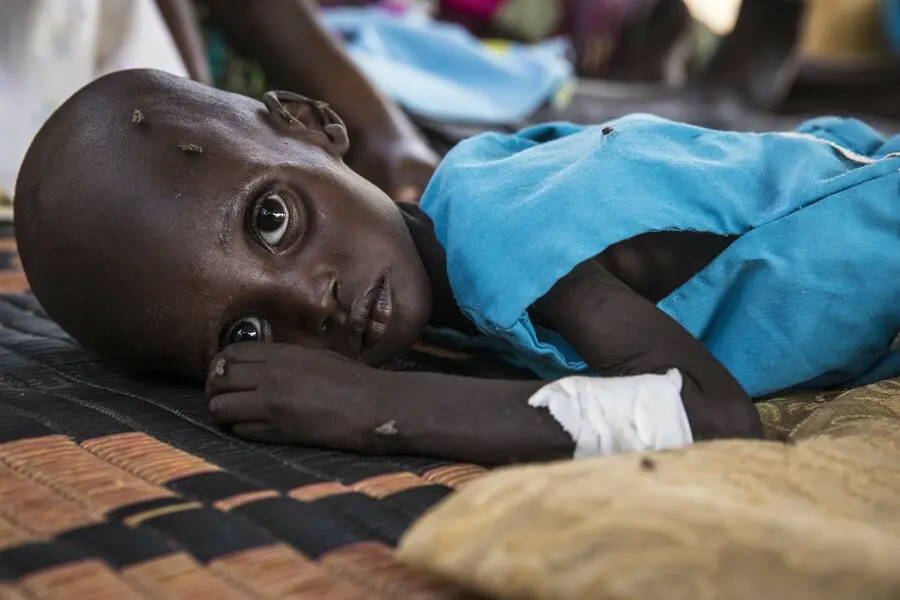
Cancer is one of the world’s leading health challenges, affecting millions of people every year. For those diagnosed with the disease, survival often depends on timely medical intervention, specialized treatment, and continuous monitoring. In stable environments, these services can be difficult enough to access. In conflict zones, they can disappear almost overnight.
Across Sudan, cancer patients are facing a crisis that extends far beyond their diagnosis. As conflict continues to displace families and damage critical infrastructure, many people battling cancer are finding themselves cut off from the healthcare systems that once supported them. What was once a manageable medical condition can quickly become life-threatening when access to treatment is interrupted.
According to the United Nations Office for the Coordination of Humanitarian Affairs (OCHA), Sudan remains one of the world’s largest humanitarian emergencies. Millions of people require urgent assistance, while healthcare services continue to struggle under the weight of conflict, displacement, and resource shortages. For cancer patients, these challenges create a hidden crisis that demands immediate attention.
Understanding the Growing Cancer Crisis in Sudan
Cancer does not stop during war. People continue to develop cancer, require treatment, and depend on healthcare professionals regardless of political or security conditions. Unfortunately, conflict can dramatically reduce access to the very services needed to fight the disease.
Cancer treatment often requires a coordinated system involving diagnostic laboratories, imaging facilities, chemotherapy medications, surgical services, radiotherapy equipment, and specialized healthcare workers. When these systems are disrupted, patients face significant barriers to survival.
The Sudan crisis has exposed just how fragile healthcare systems can become during prolonged conflict. Hospitals have been damaged, supply chains interrupted, and healthcare workers displaced. The result is a growing number of patients struggling to access essential cancer care at the moment they need it most.
Why Cancer Care Depends on Stability
Successful cancer care requires consistency. Patients often follow treatment plans that span months or even years. Regular appointments, medication schedules, laboratory tests, and imaging scans all play critical roles in monitoring progress and improving outcomes.
When healthcare facilities become inaccessible, treatment schedules can collapse. Chemotherapy sessions may be delayed, follow-up appointments missed, and diagnostic services unavailable. Even short interruptions can affect treatment effectiveness and increase the risk of disease progression.
The challenge becomes even greater for patients who have been displaced from their homes. Families fleeing violence may leave behind medical records, prescriptions, and established healthcare providers. Rebuilding continuity of care in these circumstances is extremely difficult.
The Collapse of Specialized Oncology Services
Before the conflict intensified, Sudan had several facilities capable of providing advanced oncology care. These centers served patients from across the country and offered specialized expertise in diagnosing and treating different forms of cancer.
As fighting spread, many of these facilities became difficult or impossible to operate. Damage to infrastructure, shortages of supplies, and insecurity around healthcare facilities forced some services to close or significantly reduce operations.
Thousands of patients who once depended on these institutions were suddenly forced to seek alternatives elsewhere. Unfortunately, alternative options were often limited, particularly in regions already struggling with resource shortages.
The Burden on Regional Hospitals
The closure of major treatment centers created enormous pressure on regional hospitals and clinics. Facilities that were originally designed to serve local communities suddenly became referral points for patients arriving from conflict-affected areas.
This rapid increase in demand has stretched resources beyond capacity. Healthcare workers face overwhelming workloads, while patients experience longer waiting times and reduced access to specialized services. For individuals requiring ongoing cancer treatment, these delays can have serious consequences.
The Life-Threatening Consequences of Treatment Interruptions
One of the most dangerous consequences of conflict-related healthcare disruption is treatment interruption. Cancer is a progressive disease, and many therapies depend on precise schedules to achieve the best possible results.
Research from the World Health Organization consistently highlights the importance of timely access to treatment for improving survival rates. When treatment is delayed, tumors can continue to grow, spread, or become more resistant to therapy.
For many cancer patients in Sudan, treatment interruptions are not caused by medical decisions but by logistical barriers. Transportation challenges, insecurity, medication shortages, and healthcare facility closures all contribute to delays that place lives at risk.
This reality underscores the urgent need for stronger cancer support systems capable of operating even during humanitarian emergencies.
Cancer Patients Face More Than Cancer Alone
Cancer patients living through conflict face multiple overlapping threats. In addition to their illness, they must navigate displacement, food insecurity, economic hardship, and increased exposure to infectious diseases.
Many cancer treatments weaken the immune system, leaving patients vulnerable to infections that healthy individuals might recover from more easily. In overcrowded shelters and displacement camps, exposure to disease becomes significantly more likely.
Reports from UNICEF’s Sudan emergency response and the World Health Organization’s emergency updates continue to document growing concerns about public health conditions in affected communities. These conditions create additional risks for people already battling cancer.
The Importance of Nutrition During Cancer Treatment
Nutrition plays a critical role in cancer treatment and recovery. Patients undergoing chemotherapy or other intensive therapies require adequate nutrition to maintain strength, support immune function, and tolerate treatment.
Unfortunately, food insecurity remains a major challenge for many displaced families. When households struggle to access enough food, cancer patients may experience additional complications that affect their ability to continue treatment.
Organizations working to address food insecurity therefore play an important role in supporting public health outcomes. Through initiatives such as the AMEL Foundation’s Food Security Program, vulnerable families can receive assistance that helps reduce some of these pressures.
The Challenge of Delivering Cancer Treatment During Conflict
Providing cancer treatment in a conflict zone presents extraordinary logistical challenges. Many medications require controlled storage conditions, reliable transportation, and specialized handling procedures.
Supply chains that support healthcare systems can be disrupted by damaged roads, security concerns, administrative barriers, and infrastructure failures. When shipments are delayed, hospitals may face shortages of essential medications and supplies.
Radiotherapy services face additional challenges. These treatments depend on highly specialized equipment that requires maintenance, stable electricity supplies, and trained personnel. In conflict-affected areas, maintaining such infrastructure becomes increasingly difficult.
Humanitarian Aid and Healthcare Logistics
Humanitarian organizations play an essential role in helping bridge healthcare gaps during crises. Beyond providing emergency relief, many organizations work to strengthen access to medicines, equipment, and healthcare services.
However, delivering humanitarian health aid in active conflict zones remains complex. Aid workers often face security risks, access restrictions, and logistical obstacles that slow the movement of life-saving supplies.
Despite these difficulties, healthcare providers and humanitarian responders continue working tirelessly to reach vulnerable populations. Their efforts help ensure that at least some level of oncology care remains available to those who need it.
The Impact of Funding Shortfalls
One of the greatest challenges facing humanitarian healthcare responses is insufficient funding. Emergency appeals often receive only a portion of the resources required to meet growing needs.
When funding is limited, organizations are frequently forced to prioritize immediate survival interventions such as food, water, and shelter. While these services are essential, specialized medical conditions like cancer may receive less attention than they require.
This creates a dangerous gap in care. Cancer patients need more than emergency assistance. They need sustained access to diagnostics, medication, monitoring, and specialist support over extended periods.
Innovative Approaches to Supporting Cancer Patients
Despite significant challenges, healthcare providers and humanitarian organizations continue exploring innovative ways to support cancer patients in difficult environments.
Telemedicine has emerged as one valuable tool. Remote consultations allow healthcare professionals to connect with specialists outside conflict zones, improving access to expert guidance even when physical travel is impossible.
Digital communication platforms are also helping healthcare workers coordinate care, share information, and maintain continuity for displaced patients. While technology cannot replace fully functioning hospitals, it can strengthen existing healthcare networks.
Community Support and Local Resilience
Communities themselves often play a critical role in supporting cancer patients. Families, neighbors, volunteers, and local organizations frequently step in to provide transportation, accommodation, food, and emotional support.
These acts of solidarity help patients continue treatment despite overwhelming obstacles. They also demonstrate the resilience that exists within affected communities, even during times of extreme hardship.
Through its Healthcare Programs and broader humanitarian initiatives, the AMEL Foundation works to support vulnerable individuals and families facing complex health challenges across crisis-affected communities.
Raising Cancer Awareness During Emergencies
Increasing cancer awareness remains essential, even during humanitarian crises. Public understanding of cancer symptoms, treatment options, and the importance of early cancer diagnosis can help improve outcomes.
When people recognize warning signs and seek medical attention sooner, the likelihood of successful treatment often increases. Public awareness campaigns therefore remain a valuable component of broader healthcare strategies.
Building Hope Through Collective Action
The cancer crisis in Sudan reflects a broader truth about humanitarian emergencies: health challenges do not disappear during conflict. In many cases, they become even more dangerous because the systems designed to address them are weakened or destroyed.
Yet there is also reason for hope. Healthcare workers continue serving patients under extraordinary conditions. Humanitarian organizations continue delivering assistance despite immense obstacles. Communities continue supporting one another through acts of compassion and resilience.
Global attention, funding, and advocacy can make a meaningful difference. Strengthening healthcare systems, protecting medical infrastructure, improving access to treatment, and expanding humanitarian health aid all contribute to better outcomes for cancer patients.
A Shared Responsibility to Protect Lives
Cancer should never become a death sentence because of war, displacement, or healthcare collapse. Every patient deserves access to timely diagnosis, effective treatment, and compassionate care regardless of their circumstances.
The international community has an opportunity and a responsibility to support those facing both cancer and conflict. By investing in cancer care, supporting humanitarian organizations, and advocating for the protection of healthcare services, meaningful progress can be achieved.
For the thousands of cancer patients struggling through Sudan’s crisis, every action matters. Every donation, every healthcare intervention, and every effort to raise awareness helps bring hope closer to those who need it most. In a crisis defined by uncertainty, access to treatment can mean the difference between despair and survival.

Comments are closed