
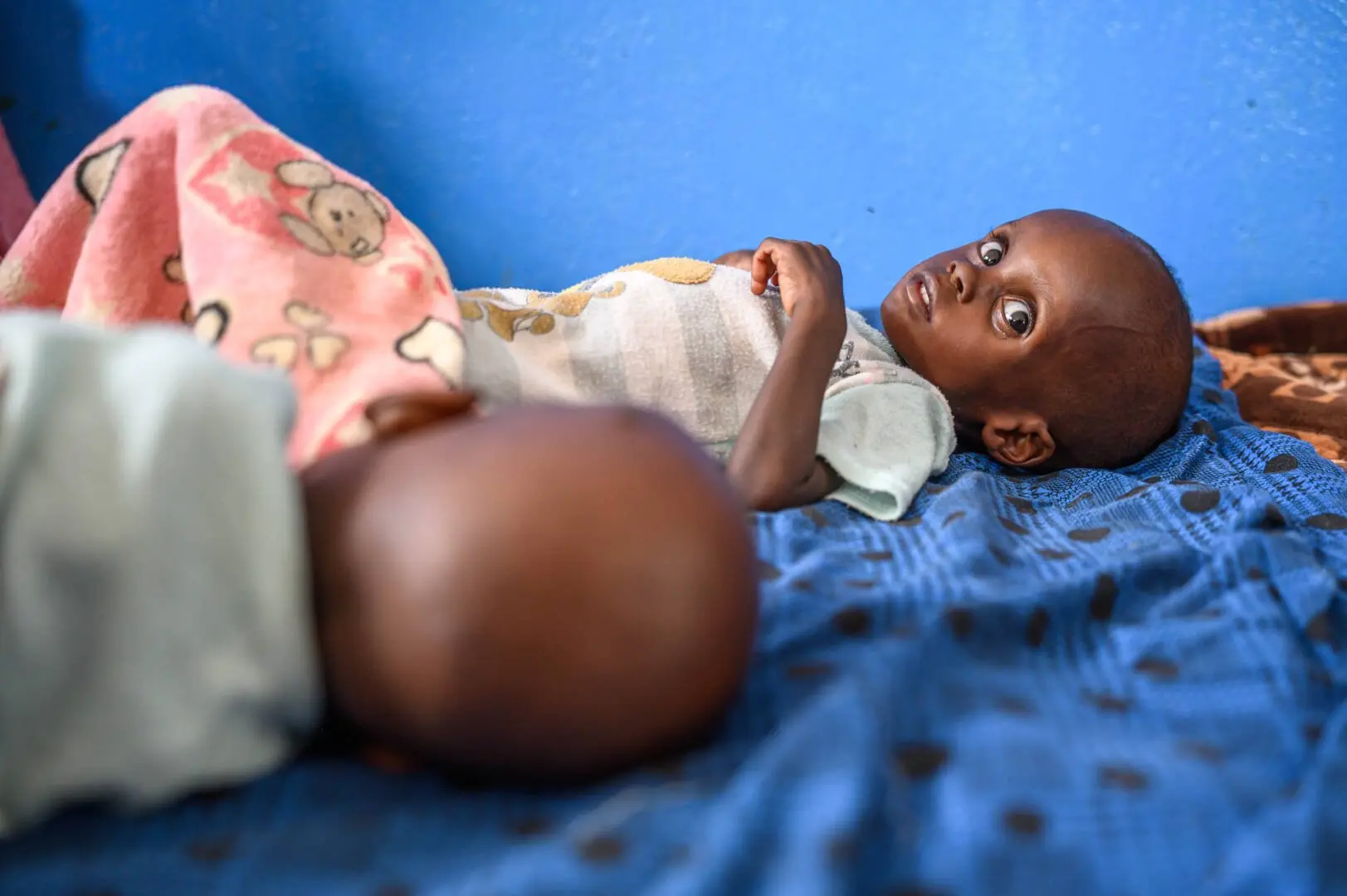
Across Sudan, millions of families are struggling to survive one of the world’s most severe humanitarian emergencies. Homes have been destroyed, communities have been displaced, and access to food, water, and healthcare has been dramatically reduced. Yet among the many tragedies unfolding across the country, one crisis often remains hidden from public attention: the growing struggle faced by children diagnosed with cancer.
For families dealing with kids cancer, war creates challenges that extend far beyond the disease itself. Cancer treatment depends on stable healthcare systems, trained specialists, reliable medication supplies, and regular hospital visits. When conflict disrupts every part of daily life, children who might otherwise survive face a much more uncertain future.
According to the World Health Organization’s Sudan emergency reports, millions of people require humanitarian assistance, while healthcare facilities across the country continue to face enormous pressure. For children diagnosed with cancer, every disruption can mean the difference between recovery and loss.
Why Kids Cancer Requires Immediate Attention During Humanitarian Crises
Cancer is often associated with adults, but thousands of children around the world develop cancer every year. Diseases such as childhood leukemia, lymphoma, and kidney tumors can affect children of all ages. The good news is that many childhood cancers are highly treatable when diagnosed early and managed through proper medical care.
The challenge in Sudan is that conflict has interrupted the systems required to provide that care. Cancer treatment for children is not a one-time intervention. It involves months of chemotherapy, frequent monitoring, blood tests, nutritional support, and protection from infections. When hospitals close or families are displaced, these essential services become difficult or impossible to access.
This reality makes childhood cancer awareness more important than ever. Understanding the unique needs of children with cancer helps humanitarian organizations, donors, and policymakers respond more effectively to one of the crisis’s most vulnerable groups.
The Collapse of Specialized Pediatric Cancer Services
Before the conflict intensified, Sudan had specialized facilities that provided pediatric oncology services for children from across the country. These hospitals represented lifelines for families seeking diagnosis, treatment, and long-term support.
Unfortunately, many healthcare facilities have been damaged, looted, or forced to suspend operations. According to updates from the United Nations Office for the Coordination of Humanitarian Affairs, attacks on infrastructure and widespread insecurity have severely affected healthcare delivery across multiple regions.
For children already receiving treatment, the consequences have been devastating. Many patients were forced to leave treatment centers unexpectedly. Medical records were lost, appointments were missed, and carefully planned treatment schedules were interrupted.
The Impact of Repeated Displacement
Displacement has become a defining feature of the Sudan crisis. Families often move several times as security conditions change, making it nearly impossible to maintain consistent healthcare access.
Children receiving chemotherapy are particularly vulnerable during these journeys. Their immune systems are weakened by treatment, making exposure to crowded shelters and poor sanitation especially dangerous. A child who was responding well to therapy can quickly face life-threatening complications when access to care disappears.
The repeated movement of families also creates challenges for doctors attempting to continue treatment plans. Without reliable communication systems and stable locations, tracking patients becomes increasingly difficult.
Life Inside Overcrowded Medical Facilities
The healthcare facilities that remain operational are often overwhelmed. Hospitals designed to serve local populations now receive patients from multiple regions, creating intense pressure on already limited resources.
Healthcare workers frequently face shortages of beds, medicines, equipment, and trained staff. Despite these obstacles, doctors and nurses continue working tirelessly to provide cancer care under conditions that would challenge even the strongest healthcare systems.
Their dedication reflects the resilience of Sudan’s medical community, but resilience alone cannot replace the resources needed to treat complex diseases like pediatric cancer.
Why Early Diagnosis Matters More Than Ever
One of the most important factors in treating pediatric cancer is early diagnosis. The sooner cancer is identified, the greater the likelihood of successful treatment and long-term survival.
Unfortunately, conflict often delays access to medical care. Families may struggle to reach hospitals, transportation routes may be unsafe, and healthcare facilities may lack the equipment needed to confirm a diagnosis.
As a result, many childhood cancer symptoms go unrecognized or untreated for extended periods. Symptoms such as unexplained fevers, unusual bruising, persistent fatigue, swelling, or rapid weight loss may not receive immediate medical attention when families are focused on basic survival.
Delayed diagnosis can transform a treatable condition into a life-threatening emergency. This is why humanitarian health aid must include support for cancer screening, diagnostics, and specialist referrals whenever possible.
The Hidden Risks Facing Children During Treatment
Cancer itself is only one part of the challenge. Children receiving chemotherapy face numerous additional health risks that become even more dangerous in humanitarian settings.
Treatment often suppresses the immune system, reducing the body’s ability to fight infections. In displacement camps and overcrowded shelters, exposure to diseases becomes significantly more likely.
Reports from UNICEF’s Sudan emergency response and the World Health Organization continue to highlight concerns about disease outbreaks, malnutrition, and inadequate sanitation. For healthy children these conditions are dangerous. For children undergoing cancer treatment, they can be deadly.
The Importance of Nutrition and Blood Transfusions
Successful cancer treatment depends on more than medication. Many children require specialized nutritional support to maintain strength during treatment. Without adequate food, the body struggles to tolerate chemotherapy and recover from its effects.
Blood transfusions also play a critical role in managing treatment-related complications. Children often develop anemia during therapy and require regular access to safe blood supplies.
In conflict settings, both nutrition programs and blood donation systems face major disruptions. This creates additional barriers for children already fighting a serious illness.
The Challenge of Delivering Cancer Care During Conflict
Providing pediatric oncology services in an active conflict zone is one of the most difficult tasks in humanitarian healthcare. Cancer medications require specialized handling, consistent supply chains, and secure transportation routes.
Many essential drugs must travel long distances before reaching patients. Delays at borders, damaged roads, security concerns, and logistical obstacles can prevent life-saving treatments from arriving on time.
Even when medicines reach the country, distributing them safely to hospitals and clinics remains challenging. Every interruption increases the risk that treatment schedules will be delayed or canceled altogether.
Supply Chains Under Pressure
Modern cancer care relies on global supply networks. Hospitals require chemotherapy drugs, laboratory supplies, imaging equipment, protective gear, and supportive medications.
When conflict disrupts transportation routes, shortages quickly emerge. Healthcare providers may be forced to make difficult decisions about how limited resources are allocated.
This situation demonstrates why international support remains critical. Humanitarian organizations, governments, and donors all play a role in ensuring essential medical supplies reach children who depend on them.
The Financial Burden on Families
Beyond medical challenges, many families face severe financial hardship. Displacement often means losing employment, savings, and access to community support networks.
Transportation costs can become overwhelming, especially when specialized treatment is only available in distant locations. Accommodation near treatment centers adds another layer of expense that many families simply cannot afford.
These financial pressures force some parents to choose between continuing treatment and meeting other basic household needs. No family should ever face such a decision, yet many do.
How Humanitarian Organizations Can Make a Difference
Addressing the needs of children with cancer requires a coordinated response that combines healthcare support, financial assistance, nutrition programs, and protection services.
Organizations working directly with affected communities play a crucial role in identifying vulnerable families and connecting them with available resources. Local partnerships are particularly important because community organizations often understand needs that may not be immediately visible to international responders.
Through initiatives such as the AMEL Foundation’s Healthcare Programs, support can reach families facing urgent medical challenges. Combined with broader interventions such as the foundation’s Food Security Programs, these efforts help address both medical and social vulnerabilities.
Medical Evacuations and Cross-Border Care
For some children with the most complex cases, medical evacuation may provide the only path to survival. International healthcare partnerships can allow critically ill patients to receive treatment in facilities capable of providing advanced care.
While evacuation programs cannot meet every need, they offer hope for children whose treatment options have been exhausted locally. Expanding these programs remains an important area of discussion within the humanitarian community.
The Growing Role of Telemedicine
Technology is also helping bridge some gaps in care. Telemedicine allows specialists from around the world to support local healthcare providers through remote consultations and treatment guidance.
These digital connections cannot replace fully functioning hospitals, but they can improve decision-making and help healthcare workers manage complex cases more effectively.
Resilience, Hope, and Global Responsibility
Despite immense challenges, stories of resilience continue to emerge across Sudan. Healthcare workers continue serving patients despite insecurity and resource shortages. Families continue fighting for their children’s futures despite repeated displacement and uncertainty.
Communities often share food, shelter, transportation, and emotional support with families facing medical emergencies. These acts of solidarity demonstrate the extraordinary strength that exists even during crisis.
At the same time, resilience should never be mistaken for sufficiency. Children with cancer require more than courage and determination. They need functioning healthcare systems, uninterrupted treatment, and sustained international support.
Ensuring Children with Cancer Are Not Forgotten
The global community has a responsibility to ensure that children with cancer remain visible within the broader humanitarian response. While hunger, displacement, and protection concerns deserve urgent attention, so too do the children whose lives depend on specialized medical care.
Investing in pediatric oncology services, strengthening healthcare systems, supporting frontline medical workers, and funding humanitarian health aid can save lives today while building stronger systems for the future.
Every child deserves the opportunity to receive treatment, regardless of where they live or the circumstances surrounding them. For children facing both cancer and conflict, that opportunity depends on collective action.
By supporting healthcare initiatives, raising childhood cancer awareness, and standing alongside affected families, the international community can help ensure that children fighting both disease and displacement are not left behind. Their battle may be one of the quietest emergencies in Sudan, but it is one that demands the world’s attention and compassion.

Comments are closed