
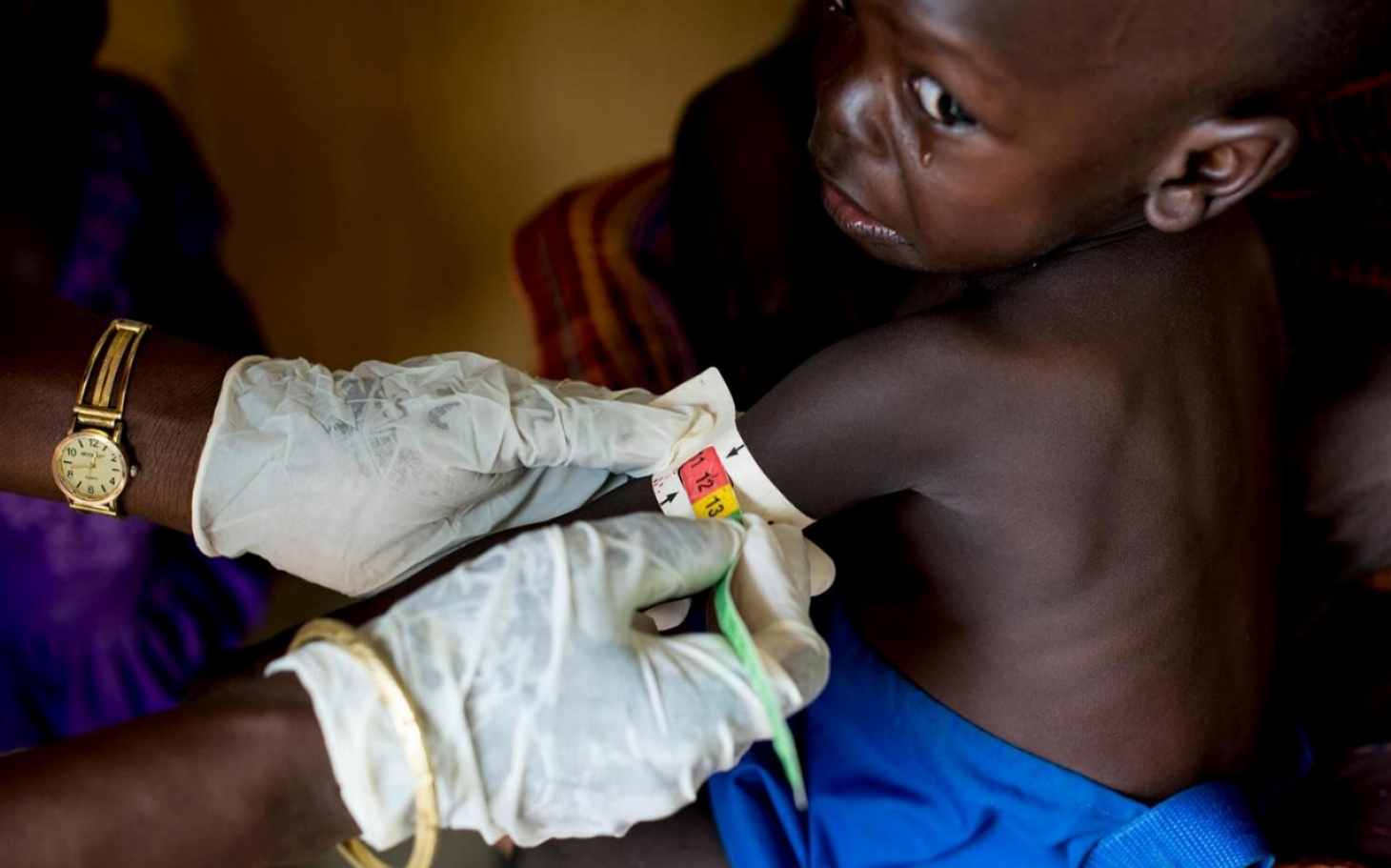
The humanitarian crisis in Sudan has become one of the largest and most devastating emergencies in the world. Millions of people have been forced to leave their homes, entire communities have been displaced, and critical services have collapsed under the weight of ongoing conflict. While the world often focuses on hunger, displacement, and violence, another crisis continues largely unseen: the struggle of children with cancer.
For children diagnosed with cancer, survival depends on consistency. Unlike many emergency medical conditions that can be addressed through short-term interventions, pediatric cancer care requires months or years of specialized treatment, monitoring, medication, and supportive care. When hospitals are destroyed, supply chains collapse, and families are forced to flee repeatedly, these life-saving systems disappear.
According to reports from the World Health Organization, the Sudan crisis has created unprecedented pressure on the healthcare system. Millions of children have been displaced, and many are now living far from the hospitals and specialists they once depended on. For children battling cancer, every interruption in treatment can significantly reduce their chances of survival.
The Human Cost of a Broken Healthcare System
Sudan’s healthcare infrastructure has suffered extensive damage during the conflict. Numerous hospitals and health facilities have stopped functioning, while healthcare workers face enormous challenges in continuing their work under dangerous conditions.
For families already coping with a cancer diagnosis in children, the collapse of healthcare services creates an impossible situation. Parents who once had access to specialized pediatric oncology units now struggle to find even basic medical care. Diagnostic services, laboratory testing, imaging equipment, and chemotherapy supplies have become increasingly difficult to access.
The result is a growing population of vulnerable children whose treatment journeys have been interrupted by forces completely beyond their control. Every missed appointment, delayed diagnosis, or unavailable medication increases the risks faced by these young patients.
Where Do Children with Cancer Go When Oncology Centers Are Destroyed?
Before the conflict escalated, major cancer centers in Sudan provided specialized cancer treatment for children from across the country. These facilities served as referral hubs where doctors, nurses, and specialists worked together to provide comprehensive care.
When fighting reached key urban areas, many of these centers became inaccessible or ceased operations entirely. Families were forced to relocate, often multiple times, in search of safety. Children receiving chemotherapy suddenly found themselves separated from their medical records, doctors, and treatment schedules.
This disruption has created a dangerous gap in care. Childhood cancers such as leukemia, lymphoma, and Wilms tumor require carefully timed treatment plans. Missing weeks or months of therapy can allow the disease to progress rapidly, making recovery far more difficult.
The Ripple Effect of Repeated Displacement
Displacement does not happen only once for many Sudanese families. Some have moved several times as frontlines shift and security conditions change. Each move increases the likelihood that treatment will be interrupted.
Children undergoing chemotherapy are especially vulnerable during these journeys. Their weakened immune systems leave them susceptible to infections, while overcrowded shelters often lack adequate sanitation, clean water, and healthcare services.
The combination of cancer and displacement creates a complex humanitarian emergency that requires far more than temporary medical assistance. It demands coordinated, long-term childhood cancer support capable of adapting to rapidly changing conditions.
The Reality Inside Overwhelmed Clinics
The facilities that remain operational are often overwhelmed by demand. Healthcare providers face shortages of beds, medicines, equipment, and trained personnel. In some locations, large numbers of patients must share limited resources that were never designed to accommodate such demand.
Despite these challenges, Sudanese doctors, nurses, and volunteers continue providing care under extraordinary circumstances. Their efforts represent one of the most inspiring examples of resilience within the broader humanitarian response.
Why Timely Treatment Matters for Children with Cancer
One of the most critical aspects of pediatric cancer care is timing. Cancer treatment protocols are carefully designed to maximize effectiveness while minimizing complications. Delays can significantly affect outcomes.
Research published through international oncology networks has consistently shown that treatment interruptions can increase mortality rates among children with cancer. Diseases that might otherwise be highly treatable become far more dangerous when therapy is delayed.
For families living through conflict, maintaining treatment schedules often becomes impossible. Road closures, insecurity, transportation costs, and hospital shortages all contribute to missed appointments and interrupted care.
This reality highlights why childhood cancer awareness must remain part of the broader conversation about humanitarian emergencies. Cancer does not pause during conflict, and children continue to require specialized care regardless of the surrounding circumstances.
The Hidden Threat of Infection and Malnutrition
Cancer itself is not the only threat facing displaced children. Chemotherapy suppresses the immune system, making patients highly vulnerable to infections. In crowded displacement settings, this vulnerability becomes even more dangerous.
Reports from the United Nations Children’s Fund (UNICEF) and the United Nations Office for the Coordination of Humanitarian Affairs have highlighted growing concerns about disease outbreaks in affected areas. Cholera, measles, and other infectious diseases can spread rapidly when sanitation systems break down.
For children receiving cancer treatment, even a relatively minor infection can become life-threatening. Access to antibiotics, clean water, nutritional support, and safe shelter becomes just as important as chemotherapy itself.
Nutrition as a Lifeline
Good nutrition plays a vital role in improving childhood cancer outcomes. Children undergoing treatment need adequate calories, vitamins, and minerals to support recovery and tolerate intensive therapies.
Unfortunately, many displaced families are also experiencing food insecurity. Parents often face impossible choices between transportation costs, accommodation expenses, and basic household needs.
Programs focused on food assistance and nutrition therefore play a direct role in supporting cancer patients. Through initiatives such as AMEL Foundation’s Food Security Program, vulnerable families can receive support that helps reduce some of the burdens associated with long-term illness.
The Challenge of Delivering Cancer Care in a War Zone
Providing cancer care services during active conflict presents extraordinary logistical challenges. Unlike many emergency supplies, cancer medications require specialized procurement, storage, and distribution systems.
Supply routes are frequently disrupted by insecurity, damaged infrastructure, and administrative obstacles. Essential chemotherapy drugs, laboratory supplies, and supportive medications may take weeks or months to reach healthcare facilities.
At the same time, medical professionals face immense personal risks while continuing their work. Despite these difficulties, local healthcare teams remain committed to saving lives and supporting patients whenever possible.
Financial Barriers Facing Families
The economic impact of displacement can be devastating. Many families have lost homes, livelihoods, savings, and support networks. The cost of transportation alone may prevent parents from reaching treatment centers.
Accommodation near hospitals often becomes unaffordable, particularly when treatment requires frequent visits over many months. As a result, some families are forced to discontinue therapy despite understanding its importance.
This reality demonstrates why humanitarian assistance must address both medical and social needs. Healthcare interventions are most effective when combined with broader support systems that help families remain engaged in treatment.
The Importance of Family Support
Family support during cancer treatment is essential under any circumstances. During conflict, it becomes even more important. Parents and caregivers provide emotional stability, practical assistance, and daily care that medical systems alone cannot replace.
Organizations working with vulnerable communities must therefore consider the needs of entire households rather than focusing solely on the patient. Supporting caregivers ultimately improves outcomes for children receiving treatment.
How Humanitarian Organizations Can Help
Addressing the needs of children with cancer requires collaboration between healthcare providers, humanitarian agencies, donors, and local communities. No single organization can solve this challenge alone.
Effective interventions include supporting local hospitals, strengthening supply chains, funding specialized medications, providing transportation assistance, and ensuring families have access to food, water, and shelter.
Investments in healthcare infrastructure are particularly important because they create lasting benefits that extend beyond the immediate crisis. Strengthening local systems improves access to care for future generations as well.
Through its Healthcare Programs, AMEL Foundation continues supporting vulnerable communities by helping improve access to essential medical services and humanitarian assistance.
Digital Innovation and Remote Support
Technology is creating new opportunities to support healthcare providers working in difficult environments. Telemedicine and digital consultation networks allow specialists around the world to advise local clinicians managing complex cases.
These systems cannot replace fully equipped hospitals, but they can help improve decision-making and expand access to expert guidance. In regions where specialist resources are limited, such partnerships may save lives.
International collaboration through digital platforms represents an important step toward maintaining pediatric oncology expertise even when traditional healthcare networks are disrupted.
Resilience, Hope, and the Path Forward
The story of children with cancer in Sudan is not only a story of suffering. It is also a story of resilience. Across the country, healthcare workers continue serving patients despite immense hardship. Families continue fighting for their children’s futures despite displacement and uncertainty.
Local communities regularly demonstrate extraordinary solidarity by sharing resources, providing shelter, and supporting vulnerable families. These acts of compassion help sustain hope even in the most challenging circumstances.
Why Global Attention Matters
The crisis facing children with cancer deserves far greater international attention. While humanitarian discussions often focus on immediate survival needs, long-term medical conditions can become silent killers when healthcare systems collapse.
Increasing childhood cancer awareness is therefore essential. Policymakers, donors, healthcare institutions, and the public must recognize that children with cancer face unique risks that require targeted support.
The international community has the resources and expertise to make a meaningful difference. What is needed now is sustained commitment, funding, and advocacy.
A Shared Responsibility
Every child deserves the opportunity to receive life-saving treatment, regardless of where they live or the circumstances they face. For children with cancer in Sudan, that opportunity depends on the collective efforts of humanitarian organizations, healthcare providers, governments, and supporters around the world.
The challenge is urgent, but it is not hopeless. With stronger investment in pediatric cancer care, expanded humanitarian access, and continued support for local healthcare workers, more children can receive the treatment they need.
As the world responds to Sudan’s humanitarian emergency, children battling cancer must not be forgotten. Their fight is one of the quietest battles within the crisis, but it is also one of the most important. By standing with these children and their families today, the global community can help ensure that hope remains stronger than conflict, and that survival remains possible even in the most difficult circumstances.

Comments are closed