
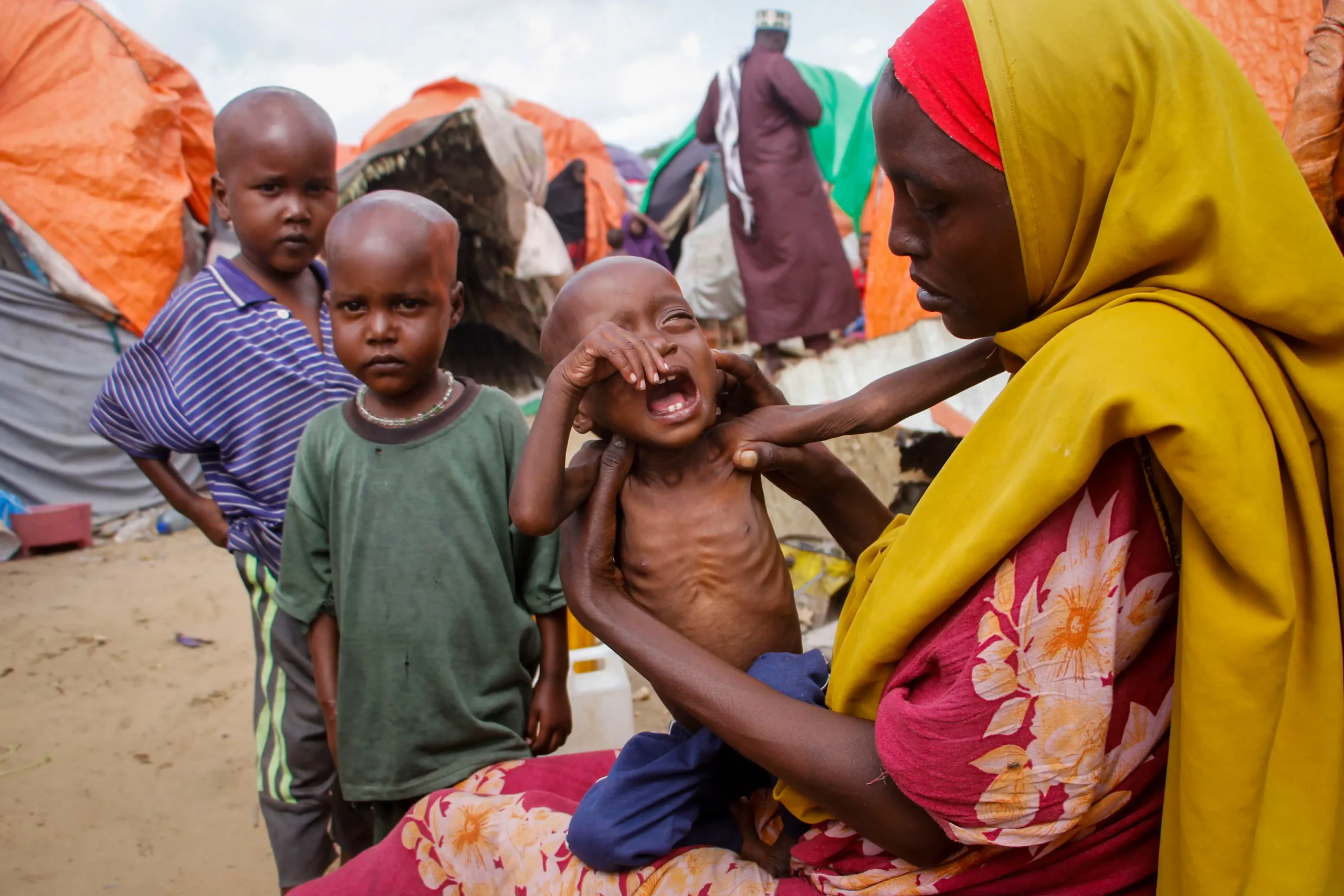
The future of famine is already taking shape, and nowhere is it more visible than in Sudan. For many years, famine was often associated with droughts, crop failures, or temporary shortages of food. Today, however, famine has become something far more complex. It is increasingly driven by conflict, displacement, economic collapse, and barriers that prevent people from accessing life-saving assistance. As a result, millions of people are facing a hunger crisis despite the world producing enough food to feed its population.
The Sudan crisis has become one of the clearest examples of this new reality. Since the conflict began, millions of people have been forced to flee their homes, communities have been separated, and essential services have collapsed. According to the United Nations High Commissioner for Refugees, more than 15 million people have been displaced, making Sudan one of the largest displacement crises in modern history.
Across many parts of the country, families are struggling not only with food insecurity but also with the breakdown of healthcare systems, clean water supplies, and basic protection services. The situation highlights an urgent question for governments, humanitarian organizations, and citizens around the world: what will the future of famine look like if current trends continue?
Why Modern Famine Looks Different from the Past
Historically, famine was often linked to environmental disasters. While weather conditions still play an important role, today’s famines are increasingly shaped by human decisions. Armed conflict, political instability, and restrictions on humanitarian access are creating conditions where starvation becomes a direct consequence of violence.
In Sudan, communities have seen farms abandoned, markets destroyed, and supply routes blocked. Families who once produced their own food have become dependent on humanitarian aid for survival. When aid deliveries are delayed or prevented, the consequences become immediate and devastating.
This shift means that famine prevention is no longer only about producing more food. It is also about protecting civilians, maintaining humanitarian access, and ensuring that essential services continue to function even during crises.
The Growing Impact of Climate Change
The future of famine is also being shaped by climate pressures that are affecting vulnerable regions around the world. Rising temperatures, changing rainfall patterns, floods, and droughts are placing additional stress on communities already struggling with conflict and poverty.
Many regions across Sudan have experienced environmental challenges that have reduced agricultural productivity and weakened traditional livelihoods. When climate shocks occur alongside armed conflict, communities lose the resources they need to recover.
Building climate resilience has therefore become a critical part of preventing future humanitarian emergencies. Communities need access to sustainable water sources, climate-adapted farming techniques, and support systems that help them withstand environmental disruptions before they become disasters.
The Hidden Challenge of Missing Data
One of the most concerning aspects of modern famine is that many of the worst-affected populations remain difficult to reach and assess. Humanitarian organizations often face significant obstacles when attempting to collect accurate information from active conflict zones.
According to findings highlighted in the Global Report on Food Crises, data gaps are becoming more common in areas affected by violence. Without reliable information, it becomes harder to identify communities in need and deliver assistance before conditions deteriorate.
As a result, some populations may be suffering severe hunger without receiving the international attention required to mobilize an effective response. This challenge makes early intervention more difficult and increases the risk of famine spreading unnoticed.
The Humanitarian Needs of Future Famine Zones
The future of famine extends beyond a lack of food. Modern humanitarian crises create overlapping challenges that affect every aspect of daily life. Families facing starvation often struggle with disease outbreaks, displacement, and limited access to healthcare at the same time.
In Sudan, millions of people require urgent support to meet their basic needs. Humanitarian agencies continue to provide food assistance, healthcare services, clean water, and protection programs, but the scale of need remains enormous.
Organizations working on the ground recognize that addressing hunger alone is not enough. Effective responses must tackle the wider conditions that place people at risk and prevent them from rebuilding their lives.
Malnutrition and Disease: A Dangerous Combination
One of the most serious consequences of famine is the rapid increase in malnutrition among children. According to the World Health Organization, severe malnutrition significantly weakens the immune system, making children more vulnerable to infections and disease.
When healthcare infrastructure collapses, preventable illnesses such as cholera, measles, and malaria can spread rapidly. Communities facing food shortages often have limited access to clean drinking water and sanitation facilities, increasing health risks even further.
Humanitarian organizations therefore focus on integrated approaches that combine food assistance, medical care, nutrition support, vaccination campaigns, and water programs. This comprehensive strategy saves lives while addressing the interconnected causes of suffering.
Protecting Vulnerable Communities
Displacement creates additional protection concerns that are often overlooked during discussions about famine. Families fleeing violence may become separated, children can lose access to education, and women often face increased risks during displacement journeys.
Across Sudan, vulnerable communities continue to demonstrate extraordinary resilience despite these challenges. Local volunteers, community leaders, and humanitarian workers play a vital role in supporting displaced families and ensuring that assistance reaches those who need it most.
The protection of civilians must remain a central part of every humanitarian response. Without safety and security, efforts to address hunger and poverty become far more difficult.
The Biggest Obstacles to Preventing Future Famines
Although humanitarian organizations possess the expertise needed to save lives, they often face major operational challenges that limit their ability to respond effectively. Funding shortages, access restrictions, and security concerns continue to undermine efforts to prevent catastrophic outcomes.
The future of famine will depend largely on whether these barriers can be addressed before they become permanent features of humanitarian crises.
The Humanitarian Funding Gap
Global humanitarian needs have increased dramatically in recent years. At the same time, funding levels have struggled to keep pace with growing demand. This creates difficult decisions for aid organizations that must prioritize limited resources across multiple emergencies.
According to the United Nations Office for the Coordination of Humanitarian Affairs, humanitarian appeals remain significantly underfunded in many regions. As a result, organizations may be forced to reduce food assistance, delay programs, or scale back services that communities depend on.
For families already living on the edge of survival, these reductions can have devastating consequences. Sustained funding remains one of the most important tools for famine prevention.
Aid Access and Operational Risks
Delivering humanitarian aid in conflict zones has become increasingly difficult. Bureaucratic restrictions, damaged infrastructure, and insecurity often delay the arrival of essential supplies.
Aid workers frequently operate under extremely challenging conditions while attempting to reach isolated populations. Many face personal risks while delivering assistance, yet they continue their work because millions of lives depend on it.
Ensuring safe and unrestricted humanitarian access is essential if future famines are to be prevented before they reach catastrophic levels.
New Approaches to Fighting Future Hunger
As humanitarian crises become more complex, organizations are developing new approaches that focus on flexibility, local leadership, and long-term recovery. These strategies aim not only to save lives today but also to reduce vulnerability in the future.
One promising approach involves providing direct cash assistance to affected families. Rather than relying exclusively on physical aid deliveries, digital cash transfers allow households to purchase food, medicine, and other necessities according to their specific needs.
This model can help preserve dignity, support local businesses, and strengthen community resilience during periods of crisis.
Investing in Long-Term Recovery
Emergency response remains essential during active crises, but long-term solutions are equally important. Communities affected by prolonged conflict need opportunities to rebuild livelihoods, restore services, and create sustainable paths toward recovery.
Programs focused on education, healthcare, water access, and economic development can help families move beyond survival and begin rebuilding their futures. The AMEL Foundation’s work in food security initiatives and water programs reflects the importance of addressing both immediate needs and long-term resilience.
Local Solutions for Lasting Impact
Some of the most effective humanitarian responses come from local communities themselves. Across Sudan, volunteer networks have stepped forward to provide support despite limited resources and difficult conditions.
These community-led efforts demonstrate that resilience remains one of the most powerful forces in humanitarian response. International organizations can strengthen their impact by partnering closely with local actors who understand community needs and priorities.
What the Future of Famine Means for the World
The future of famine is not predetermined. It is shaped by choices made by governments, humanitarian organizations, donors, and global institutions. The conditions driving famine today can be addressed through coordinated action, adequate funding, and stronger commitments to protecting civilians.
Sudan offers an important warning, but it also provides valuable lessons about resilience, solidarity, and the importance of acting before crises escalate. Communities facing immense hardship continue to demonstrate extraordinary courage while supporting one another through unimaginable circumstances.
A Shared Responsibility
The fight against famine is ultimately a shared responsibility. Humanitarian organizations cannot prevent future crises alone. Governments must support diplomatic solutions to conflict, donors must sustain humanitarian funding, and global institutions must prioritize the protection of civilians.
The story of Sudan is not only a story of suffering. It is also a story of resilience, community strength, and determination. The future of famine will depend on whether the world chooses to respond with urgency and solidarity before more lives are pushed to the brink.
Through continued humanitarian aid, investment in climate resilience, support for vulnerable communities, and commitment to long-term recovery, it remains possible to build a future where famine is prevented rather than endured. For organizations such as the AMEL Foundation, this mission remains at the heart of every effort to support communities facing crisis and help create pathways toward lasting hope.

Comments are closed