
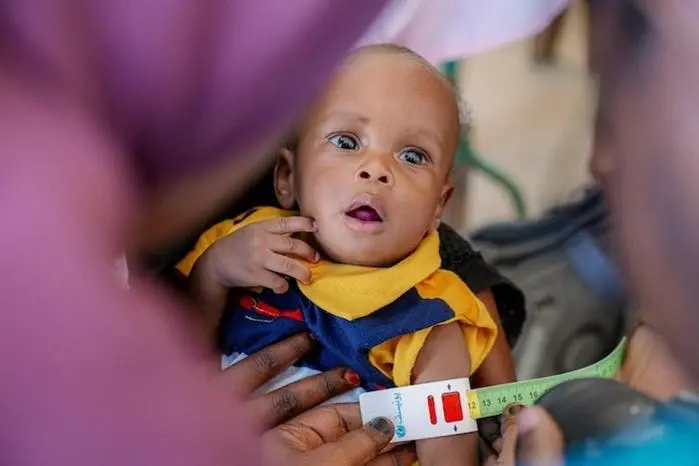
Children with cancer face far more than a serious medical diagnosis. Their lives can suddenly become centred on hospital visits, painful procedures, treatment side effects, interrupted schooling, and uncertainty about the future. Every part of childhood may be affected, from play and friendships to family routines and emotional safety.
These challenges become even more severe in countries affected by conflict. In Sudan, cancer treatment is taking place within a humanitarian emergency marked by displacement, hunger, disease outbreaks, and damaged health services. According to UNICEF’s February 2026 report on Sudan, 33.7 million people require urgent humanitarian assistance, including 17.3 million children.
For Sudanese children with cancer, the illness is only one part of the struggle. Many must also find a functioning hospital, secure medicine, avoid infection, maintain nutrition, and continue treatment while their families are displaced. Understanding these childhood cancer treatment challenges is essential for creating a humanitarian response that protects both survival and dignity.
The Physical Burden of Childhood Cancer
Cancer can affect almost any part of a child’s body. The disease may cause persistent pain, weakness, fever, weight loss, swelling, breathing difficulties, headaches, or repeated infections. The exact effects depend on the type of cancer, its location, and how advanced it is when diagnosed.
Treatment can bring additional physical strain. Surgery, chemotherapy, radiotherapy, and other medicines may be necessary to control the disease, but they can also cause difficult side effects. Children need careful monitoring so doctors can balance the effectiveness of treatment with the body’s ability to recover.
The World Health Organization’s childhood cancer guidance explains that more than 80% of children with cancer are cured in high-income countries, while fewer than 30% are cured in many lower-income countries. Delayed diagnosis, inaccessible treatment, medicine shortages, treatment abandonment, and avoidable complications all contribute to this gap.
Managing Treatment Side Effects
Chemotherapy targets cells that grow quickly. This makes it effective against many cancers, but it can also affect healthy cells in the bone marrow, digestive system, mouth, and hair follicles.
Common chemotherapy side effects in children include tiredness, nausea, vomiting, appetite loss, mouth sores, hair loss, and changes in taste. Some children also develop anaemia, low platelets, or very low levels of infection-fighting white blood cells.
These effects are often temporary and manageable when supportive care is available. However, a child may need anti-nausea medicine, antibiotics, blood transfusions, nutritional support, laboratory testing, and immediate emergency care. Treatment becomes much more dangerous when these supporting services are missing.
Living With a Weakened Immune System
Cancer and chemotherapy can leave a child with a weakened immune system. During these periods, an infection that would normally be mild can quickly become life-threatening.
Families are often told to seek urgent care when a child develops a fever. The child may need blood tests, intravenous antibiotics, fluids, and close observation. Access to a functioning hospital is therefore a basic part of safe cancer treatment.
In Sudan, this protection cannot be assumed. The WHO Health Emergency Appeal for Sudan reported that nearly 40% of health facilities were non-functional, while malaria, measles, dengue, and other diseases continued to place pressure on communities.
Access to Pediatric Oncology Care
Children with cancer need specialist care that cannot be safely replaced by ordinary medical services alone. Access to pediatric oncology care requires trained doctors and nurses, functioning laboratories, blood banks, imaging equipment, pharmacies, and reliable medicine supplies.
Treatment also follows a carefully planned schedule. A child may need several months or years of chemotherapy, repeated tests, surgery, radiotherapy, or long-term monitoring. Missing one stage can affect what doctors are able to do next.
When services are concentrated in only a few cities, families must travel long distances and remain near hospitals for extended periods. This challenge becomes much greater when conflict closes roads, destroys facilities, or forces families to leave home without warning.
The Loss of Cancer Treatment Centres in Sudan
Sudan had limited specialist cancer capacity even before the current conflict. Khartoum Oncology Hospital and the National Cancer Institute in Wad Medani were central to the country’s cancer services.
An analysis of the collapse of cancer care in Sudan reported that major oncology centres became non-functional or severely disrupted as the conflict spread. Patients were displaced repeatedly, treatment continuity deteriorated, and oncology workers themselves were forced from their homes.
Smaller regional facilities have tried to receive displaced patients, but many lack enough beds, medicines, equipment, and specialist staff. A facility may have a doctor but no required medicine, or medicine but no functioning laboratory to confirm that treatment can be given safely.
Treatment Delays and Interruptions
Many childhood cancers need treatment to begin quickly. Chemotherapy cycles must often be delivered according to a planned timetable, with blood tests and medical checks between sessions.
Conflict, displacement, transport costs, and medicine shortages can break this timetable. When treatment is delayed, the cancer may progress, return, or become harder to control. Doctors may also need to repeat tests or change the treatment plan.
The harm is not caused by delay alone. Families may lose medical records, move between hospitals, or receive incomplete information about what treatment has already been given. Continuity becomes almost impossible without coordinated referral systems and reliable patient records.
Displacement Makes Every Challenge Harder
A displaced child with cancer may be separated from a familiar doctor, treatment centre, school, home, and extended family at the same time. Some Sudanese families have moved repeatedly as violence has reached areas once considered safer.
Travel can be physically dangerous for a child weakened by illness. Long journeys in heat, crowded vehicles, or unsafe conditions may lead to exhaustion, dehydration, and missed medicine. Parents may also struggle to locate hospitals that are still operating.
Displacement sites can increase the risk of infection because families often live close together with limited sanitation and clean water. These conditions are especially unsafe for children receiving chemotherapy or recovering from surgery.
Hunger and the Need for Safe Nutrition
Cancer and its treatment can reduce appetite, change taste, cause vomiting, or make swallowing painful. Children may need soft food, extra protein, small frequent meals, or specialised nutritional support.
Malnutrition reduces the body’s ability to recover, fight infection, and tolerate treatment. Doctors may sometimes need to delay or adjust chemotherapy when a child is too weak to receive it safely.
AMEL Foundation’s food security programmes support families facing hunger and displacement across Sudan. Food assistance cannot replace oncology care, but reliable nutrition can protect a sick child’s strength and reduce pressure on a family already facing medical costs.
Unsafe Water Increases Medical Risk
Children with cancer need clean water for drinking, taking medicine, preparing food, washing, and maintaining oral hygiene. Vomiting and diarrhoea can also cause rapid dehydration, making safe fluids essential.
Contaminated water exposes children to diarrhoeal and other infectious diseases. The danger is higher when chemotherapy has reduced the body’s ability to fight illness.
AMEL Foundation’s water assistance programmes help communities affected by damaged infrastructure and unsafe water access. Connecting clean water with healthcare and nutrition creates stronger protection for vulnerable children.
The Emotional Impact of Childhood Cancer
The emotional impact of childhood cancer can be as significant as the physical pain. Children may feel afraid of needles, tests, hospitals, changes in appearance, or separation from their parents.
Younger children may not understand why treatment is happening. Older children may understand more but worry about death, disability, fertility, school, friendships, and the future. Some may become quiet, angry, anxious, or unwilling to discuss their feelings.
Children need truthful explanations that match their age and understanding. They also need permission to ask questions, express fear, and make small choices where possible. These actions can restore a sense of safety and control.
Social Isolation in Young Patients
Social isolation in young patients can begin when treatment keeps them away from school, friends, sports, and family gatherings. Infection precautions may limit contact even when the child feels well enough to participate.
Changes such as hair loss, weight changes, scars, or medical devices can affect confidence. Some children may fear being stared at, questioned, or treated differently.
Maintaining contact with classmates, relatives, and trusted friends can help the child feel remembered. Phone calls, messages, drawings, online lessons, and safe visits can reduce isolation when in-person participation is not possible.
Emotional Support During Conflict
Children in Sudan may be coping with cancer and war-related trauma at the same time. They may have witnessed violence, lost relatives, left their homes, or experienced repeated displacement.
Psychosocial care should recognise both experiences. A child may need space to discuss illness, grief, fear, and separation rather than being treated only as a cancer patient.
The WHO guidance on children’s palliative care describes care as support for the child’s body, mind, and spirit, while also supporting the family. It begins at diagnosis and can continue alongside treatment intended to cure the disease.
Disrupted Education During Cancer
Disrupted education during cancer can affect learning, confidence, friendships, and future opportunities. Treatment may cause children to miss weeks or months of school.
Fatigue, pain, medication effects, anxiety, and difficulty concentrating can make learning harder even when educational materials are available. Some children also need rehabilitation or additional learning support after treatment.
Schools and medical teams should work together where possible. Flexible lessons, reduced workloads, remote learning, and gradual return plans can help children stay connected to education without ignoring their health needs.
Education During Sudan’s Humanitarian Crisis
Sudanese children with cancer face two sources of educational disruption. Their illness may keep them away from class, while conflict may close or damage the school itself.
Displaced children may enter communities where classrooms are overcrowded or unavailable. Medical appointments may also require travel to another city, making regular attendance impossible.
Learning support inside hospitals, temporary shelters, and community spaces can protect development and provide normality. Education is not a luxury during illness. It helps children maintain identity, purpose, and connection to life beyond treatment.
The Financial Burden on Families
The financial burden on families begins long before treatment is completed. Costs may include tests, medicine, transport, temporary accommodation, food, communication, and repeated hospital visits.
A parent may need to stop working to remain with the child. Other children in the family may also need care, food, and education while household income falls.
Research on financial hardship in childhood cancer shows that medical expenses, non-medical costs, treatment disruption, and caregiver impact can place the entire household under long-term pressure.
Financial Pressure Can Interrupt Treatment
A family may reach the hospital but be unable to pay for a test needed before chemotherapy. Another may afford medicine but not the journey back for follow-up.
These are not small inconveniences. They can determine whether treatment continues, whether complications are detected, and whether the child receives emergency care.
Financial assistance must therefore reflect the full cost of treatment. Supporting only the price of cancer medicine may not help a family that lacks transport, food, accommodation, or funds for diagnostic services.
Supporting Families With Dignity
Families should receive help through fair and respectful systems. They should not be forced to publicly share painful details or repeatedly prove their suffering to obtain essential care.
Local organisations can identify urgent needs and respond quickly because they understand healthcare routes, community conditions, and changing security risks. International donors can strengthen this work through flexible, accountable funding.
AMEL Foundation’s wider humanitarian donation programmes connect healthcare with food, water, and other urgent needs. This integrated approach is important because a child cannot recover when the family’s basic survival needs remain unmet.
Childhood Cancer Pain Management
Children may experience pain from the cancer itself, surgery, medical procedures, or treatment side effects. Pain can affect sleep, movement, appetite, mood, and trust in healthcare workers.
Childhood cancer pain management should include regular assessment and treatment suited to the child’s age and condition. Children may express pain through words, behaviour, crying, withdrawal, or changes in sleep.
Pain relief is not optional. WHO considers pediatric palliative care and symptom relief an ethical responsibility of health systems. It should be available alongside cancer treatment, not only during the final stage of illness.
When Pain Medicine Is Unavailable
Conflict can interrupt supplies of pain medicines and other supportive treatments. Hospitals may prioritise limited stocks for emergencies, while families outside major cities may have no access at all.
Untreated pain causes unnecessary suffering and may make a child fearful of further treatment. It also places enormous emotional pressure on parents who are unable to comfort their child.
Humanitarian medical aid should include appropriate pain relief, trained staff, and clear treatment guidance. Even when cancer cannot be cured, suffering can and should be reduced.
Family Support During Cancer Treatment
Family support during cancer treatment helps children feel secure. Parents and caregivers provide comfort, communicate with medical teams, manage medicine, arrange travel, and watch for complications.
However, caregivers also need help. Many experience exhaustion, grief, fear, financial pressure, and responsibility for other children. In Sudan, they may face these demands while displaced or separated from their wider support network.
Supporting parents improves care for the child. Counselling, clear medical information, transport help, food assistance, temporary accommodation, and practical guidance can reduce the pressure families carry alone.
Brothers and Sisters Are Also Affected
Siblings may feel frightened, overlooked, jealous, or guilty. Family routines may change suddenly, and parents may spend long periods away at hospitals.
Children need honest explanations about what is happening. They also need reassurance that the illness is not their fault and that their own needs still matter.
Strong family-centred care recognises every person affected by the diagnosis. It supports the child with cancer without allowing the rest of the household to disappear from view.
Giving Every Child a Fair Chance
The challenges children with cancer face are medical, emotional, educational, social, and financial. In Sudan, conflict and displacement intensify each one.
These children do not only need chemotherapy. They need functioning hospitals, trained specialists, laboratory services, antibiotics, nutritious food, clean water, pain relief, safe transport, education, and emotional care.
Sudanese parents, medical workers, and volunteers continue to protect children under extraordinary conditions. Their commitment deserves sustained funding and practical international support, not admiration alone.
No child’s chance of survival should depend on whether a road is open, a hospital has electricity, or a family can afford one more journey. Protecting children with cancer means protecting their treatment, comfort, dignity, relationships, education, and hope for the future.

Comments are closed