
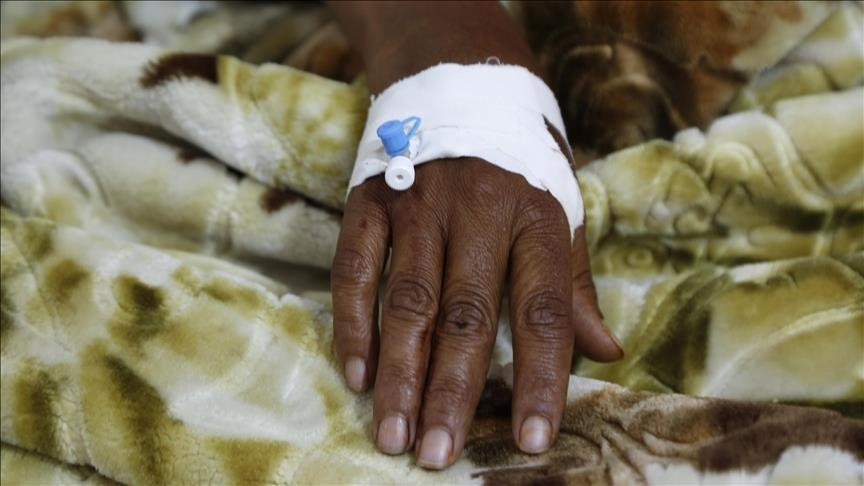
Chemotherapy can save a child’s life, but it can also place intense pressure on a young body. It works by killing cancer cells or stopping them from multiplying. Because some healthy cells also grow quickly, treatment may temporarily affect the blood, digestive system, hair, skin, energy levels, and ability to fight infection.
The effects are different for every child. They depend on the type of cancer, the medicines used, the dose, the length of treatment, and the child’s age and general health. Some children experience mild problems, while others need hospital care to manage serious complications.
In Sudan, these effects can become more dangerous because treatment is taking place within a severe humanitarian crisis. A child who needs safe water, nutritious food, blood tests, antibiotics, and regular medical supervision may instead face displacement, closed hospitals, medicine shortages, and unsafe travel.
According to a UNICEF humanitarian report on Sudan, 33.7 million people required urgent assistance in February 2026, including 17.3 million children. Displacement had reached 9.1 million people, leaving many families far from the healthcare services they once relied upon.
What Does Chemotherapy Do Inside a Child’s Body?
Chemotherapy refers to medicines that travel through the body to destroy cancer cells. It may be given through a vein, by mouth, through an injection, or directly into the fluid around the brain and spinal cord, depending on the cancer and treatment plan.
Cancer cells often multiply quickly. Many chemotherapy medicines work by damaging these dividing cells or stopping them from reproducing. This can reduce a tumour, control leukaemia, prevent cancer from spreading, or destroy cancer cells that remain after surgery.
However, treatment cannot always distinguish perfectly between cancer cells and healthy cells that also divide rapidly. This is why chemotherapy may affect the bone marrow, digestive tract, mouth, and hair follicles. The National Cancer Institute’s chemotherapy guidance explains that these effects vary widely and can often be managed by the medical team.
Why Healthy Cells Are Temporarily Affected
Healthy tissues usually repair themselves after chemotherapy, while cancer cells may be less able to recover. This difference allows treatment to damage the cancer while giving the child’s body time to recover between treatment cycles.
Doctors carefully calculate each dose. They also schedule rest periods so healthy blood cells and tissues can rebuild. Blood tests are usually required before another cycle begins because they show whether the child is ready to continue safely.
This carefully controlled process is a central part of pediatric cancer treatment. Chemotherapy is not simply a medicine that can be given without monitoring. Safe care requires trained staff, working laboratories, reliable medicine supplies, and immediate treatment when complications appear.
How Chemotherapy Affects Bone Marrow
Bone marrow produces white blood cells, red blood cells, and platelets. Chemotherapy can temporarily reduce the production of all three, creating some of the most serious chemotherapy side effects in children.
Low white blood cells make it harder to fight infection. Low red blood cells can cause tiredness, weakness, pale skin, dizziness, or shortness of breath. Low platelets can increase bruising and bleeding.
Doctors monitor these blood cells throughout treatment. A child may need antibiotics, blood transfusions, dose changes, or extra time to recover before the next chemotherapy session. These supporting services are as important as the cancer medicine itself.
Common Chemotherapy Side Effects in Children
Chemotherapy affects children in different ways, and not every medicine produces the same reaction. The child’s medical team should explain the likely effects before treatment begins and tell the family which signs require urgent attention.
Common problems include tiredness, nausea, vomiting, appetite changes, mouth sores, diarrhoea, constipation, hair loss, and changes in taste or smell. Treatment may also affect sleep, concentration, mood, and physical activity.
The National Cancer Institute’s overview of treatment side effects explains that side effects occur when cancer treatment affects healthy tissues or organs. Many can be reduced or treated, making regular communication with the healthcare team essential.
Managing Nausea During Chemotherapy
Nausea and vomiting can begin before, during, or after a treatment session. Some chemotherapy medicines are more likely to cause them than others, and children may respond differently to the same treatment.
Modern anti-nausea medicines can significantly reduce these symptoms. NCI-supported research involving children found that adding aprepitant to standard anti-nausea treatment helped prevent chemotherapy-related nausea and vomiting. The medical team must choose medicines according to the child’s age, treatment plan, and individual needs.
Managing nausea during chemotherapy is important because repeated vomiting can cause dehydration, weight loss, weakness, and fear of eating. These problems become more serious when clean water, suitable food, and hospital care are difficult to access.
Mouth Sores and Digestive Problems
Chemotherapy can damage the fast-growing cells lining the mouth and digestive system. This may cause painful mouth sores, difficulty swallowing, diarrhoea, constipation, or stomach discomfort.
Mouth pain may stop a child from drinking or eating enough. It can also create openings through which bacteria enter the bloodstream, especially when the child has a weakened immune system.
Gentle mouth care, pain relief, infection monitoring, and suitable food can help. Severe symptoms require medical attention because dehydration and infection can develop quickly in young children.
Why Chemotherapy Weakens the Immune System
The immune system depends partly on white blood cells produced in the bone marrow. When chemotherapy reduces these cells, the child may become unable to fight bacteria, viruses, and fungi effectively.
This condition may last for several days after each treatment cycle. During that period, illnesses that would normally be minor can become medical emergencies. Families may be advised to reduce exposure to people who are unwell and follow strict food, handwashing, and hygiene guidance.
The exact precautions depend on the child’s blood results and treatment plan. Families should follow the oncology team’s instructions rather than relying on general advice from social media or unqualified sources.
Fever Can Be a Medical Emergency
A fever in a child receiving chemotherapy may be the first sign of a serious infection. When white blood cell levels are very low, the body may not produce the usual signs of illness, so the child can become dangerously unwell in a short time.
Families are normally given a temperature level at which they must contact the hospital immediately. The child may need blood tests, intravenous antibiotics, fluids, and close monitoring.
This standard of care is difficult to maintain when hospitals are far away or not functioning. In Sudan, a family may face blocked roads, fuel shortages, transport costs, or a lack of available medicines while trying to reach urgent treatment.
Infection Risks During Displacement
Displaced families may live in crowded shelters with limited toilets, unsafe water, and little space to isolate an unwell child. Respiratory infections, diarrhoeal disease, measles, malaria, and other illnesses can spread easily in these conditions.
As of April 2026, the World Health Organization reported that 37% of Sudan’s health facilities remained non-functional. Health facilities, ambulances, patients, and workers had also faced repeated attacks, further limiting access to treatment.
A weakened immune system combined with overcrowding and delayed hospital access can turn a predictable side effect into a life-threatening crisis. This is why humanitarian cancer care must include antibiotics, infection-control supplies, safe transport, and functioning emergency services.
Hair Loss and Changes in Appearance
Hair loss in children is one of the most visible effects of chemotherapy. It happens because hair follicles contain fast-growing cells that may be damaged by treatment.
Not every medicine causes complete hair loss. Some children lose hair from the scalp, eyebrows, eyelashes, or other areas, while others experience thinning. Hair usually begins growing again after treatment ends, although its colour or texture may temporarily change.
For adults, hair loss may appear cosmetic. For children, it can affect identity, privacy, confidence, and relationships with friends. It may also make the illness visible before the child is ready to discuss it.
Supporting a Child Through Physical Changes
Children should receive simple, honest explanations before their appearance changes. The information should match their age and ability to understand. Sudden changes can feel frightening when no one has explained why they are happening.
Some children prefer scarves, hats, or wigs, while others do not. The child should be included in the decision whenever possible. The goal is not to hide illness but to help the child feel comfortable and respected.
Emotional support during cancer treatment should also address teasing, isolation, and changes in self-confidence. Parents, teachers, healthcare workers, and community members all have a role in protecting the child’s dignity.
Nutrition During Chemotherapy
Nutrition during chemotherapy supports strength, healing, growth, and childhood chemotherapy recovery. Yet treatment can make eating difficult by changing taste, reducing appetite, causing nausea, or producing painful mouth sores.
Some children lose weight, while others gain weight because of steroids, reduced activity, or changes in appetite. There is no single cancer diet that is right for every child. Nutritional plans should be developed with the medical team or a qualified dietitian.
Children may need small, frequent meals, soft food, extra protein, or specialised nutritional support. Severe weight loss, repeated vomiting, or an inability to drink requires medical attention rather than home remedies.
Malnutrition Makes Treatment Harder
A malnourished child may have less strength to tolerate chemotherapy and recover between cycles. Poor nutrition can increase weakness, delay healing, and make infections more difficult to overcome.
This creates a serious challenge in Sudan, where conflict and displacement have left many families without reliable food. A parent may understand what the child needs but have no money, cooking fuel, refrigeration, or safe place to prepare it.
AMEL Foundation’s food security programmes help families affected by hunger and displacement. Food support cannot replace oncology care, but it can reduce one of the pressures threatening a sick child’s recovery.
Safe Water Is Essential During Treatment
Vomiting and diarrhoea can quickly cause dehydration. Children need safe water for drinking, taking medicine, preparing food, washing hands, and maintaining mouth and skin hygiene.
Contaminated water can expose an immunocompromised child to dangerous infections. Families may be forced to use unsafe sources when conflict damages wells, pumping systems, treatment plants, or water networks.
AMEL Foundation’s water assistance supports communities facing unsafe or limited water access. For a child undergoing chemotherapy, clean water is not only a basic need. It is part of infection prevention and supportive medical care.
Chemotherapy and Child Development
Chemotherapy and child development are closely connected because treatment may take place during important years of physical, emotional, and intellectual growth.
Some children miss months of school or find it difficult to concentrate because of tiredness, medicine effects, anxiety, or repeated hospital visits. Younger children may experience changes in sleep, behaviour, speech, movement, or social development.
These effects do not mean that every child will face permanent difficulties. Many return to education and normal activities after treatment, particularly when they receive appropriate medical, psychological, and educational support.
The Emotional Effects of Treatment
Children may feel afraid of needles, medical procedures, pain, separation, or death. They may also feel angry that their lives are different from those of their friends.
Emotional support during cancer treatment may include counselling, play, art, school activities, peer contact, and age-appropriate explanations. Care should allow children to ask questions and express difficult feelings without being judged or silenced.
Parents also need support. Their distress can be intensified by financial pressure, fear, interrupted work, displacement, and responsibility for other children. Supporting the caregiver often helps the sick child feel safer.
Protecting Ordinary Childhood
A child receiving chemotherapy is still a child. Treatment should leave room for play, learning, celebrations, friendships, and family connection whenever health permits.
Simple routines can provide comfort during uncertainty. Reading a familiar story, speaking with classmates, drawing, or choosing an activity can restore a sense of control.
In humanitarian settings, child-friendly spaces and psychosocial care are especially valuable. They help children process both the experience of cancer and the trauma of conflict or displacement.
Can Chemotherapy Cause Long-Term Effects?
Some children experience health problems months or years after treatment has ended. These are known as late or long-term chemotherapy effects.
The risks depend on the medicine, total dose, treatment length, age at treatment, cancer location, and whether chemotherapy was combined with radiation, surgery, or stem-cell transplantation.
The National Cancer Institute’s guidance on late effects explains that childhood cancer survivors may need monitoring for possible effects involving growth, hormones, learning, the heart, lungs, kidneys, fertility, bones, or emotional health. This does not mean every survivor will develop these problems.
Why Follow-Up Care Matters
Regular follow-up helps doctors monitor recovery, detect possible late effects, support development, and respond to new health concerns. The child’s treatment record is important because it shows which medicines and doses were received.
Displacement can interrupt this care. Families may lose paper records, change hospitals, or cross borders without access to the original medical team.
Digital records, treatment summaries, and coordinated referral systems can protect continuity. Children should not lose access to follow-up simply because conflict forced them to leave home.
Why Chemotherapy Is More Dangerous During Sudan’s Crisis
Chemotherapy is safest when it is part of a complete medical system. That system includes diagnosis, laboratory monitoring, sterile preparation, trained oncology staff, antibiotics, blood products, nutrition, pain relief, and emergency care.
Sudan’s conflict has damaged many of these connected services. The WHO Health Emergency Appeal for Sudan describes a health system overwhelmed by violence, food insecurity, displacement, and disease outbreaks. Nearly 40% of health facilities were reported as non-functional at the beginning of 2026.
When this system fails, even a correct chemotherapy dose can become unsafe. A child may receive treatment but be unable to return for blood tests, find antibiotics during an infection, or obtain fluids after severe vomiting.
Interrupted Treatment Creates Further Risk
Chemotherapy plans often follow strict schedules. Long interruptions may reduce treatment effectiveness, allow cancer to progress, or require doctors to reconsider the plan.
However, treatment should not continue without the checks needed to protect the child. Giving chemotherapy when blood levels are dangerously low, an infection is untreated, or the medicine has been stored incorrectly may also cause serious harm.
Families and health workers are therefore placed in impossible situations. They may be forced to choose between delaying cancer treatment and providing it without all the normal safeguards.
Humanitarian Aid Must Support the Whole Treatment Process
Supplying chemotherapy medicines alone is not enough. Safe treatment also requires diagnostic materials, blood products, infection-control supplies, pain relief, transport, electricity, clean water, and trained workers.
AMEL Foundation’s healthcare support responds to urgent medical needs among vulnerable Sudanese communities. Integrated humanitarian care can help protect children by connecting medicine with food, water, transport, and family support.
The World Health Organization’s childhood cancer guidance notes that more than 80% of children with cancer are cured in high-income countries, compared with fewer than 30% in many lower-income countries. Treatment toxicity, inaccessible care, delayed diagnosis, and interrupted treatment contribute to this survival gap.
Protecting Children Through Treatment and Recovery
Chemotherapy affects far more than a tumour. It can influence a child’s blood cells, digestion, appearance, energy, emotions, learning, growth, and family life.
Most side effects can be treated or reduced when children have access to specialist care and regular monitoring. The danger increases when treatment takes place without reliable hospitals, safe water, food, antibiotics, or emergency transport.
Sudanese parents and healthcare workers continue caring for children in exceptionally difficult conditions. Their courage keeps treatment going, but courage cannot replace medicines, laboratory services, blood supplies, nutrition, and secure healthcare facilities.
International donors and humanitarian organisations must treat childhood cancer care as urgent, life-saving assistance. Every child receiving chemotherapy deserves safe treatment, relief from suffering, emotional care, and a fair opportunity to recover.

Comments are closed