
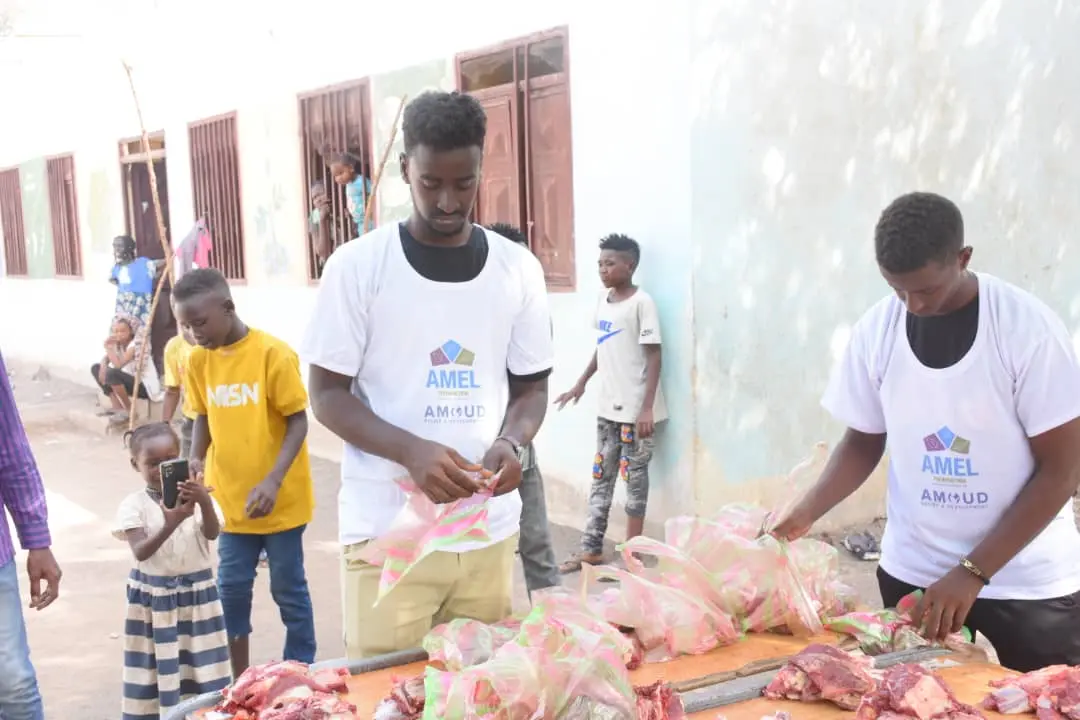
The meaning of qurbani goes far beyond tradition. It is a sacred act rooted in compassion, sacrifice, and obedience, practiced by millions of Muslims during Eid al-Adha. Yet in 2026, the context has changed dramatically for countries like Sudan. What was once a symbolic act of faith has become an urgent humanitarian intervention, delivering life-saving nutrition to families facing extreme hunger.
Sudan is currently experiencing one of the world’s most severe crises. According to the , over 33 million people need assistance. Entire communities are displaced, infrastructure has collapsed, and access to food is critically limited. In this reality, qurbani is no longer only a religious duty. It is a direct response to a growing emergency, bridging faith with survival.
Understanding the Meaning of Qurbani in Islam
The qurbani meaning in Islam is deeply tied to the story of Prophet Ibrahim, who showed complete devotion by being willing to sacrifice what he loved most. This act symbolizes submission, trust, and generosity. Today, Muslims honor this legacy by performing the Eid al-Adha sacrifice and sharing the meat with those in need.
In peaceful settings, qurbani strengthens community bonds and ensures that even the poorest families can celebrate Eid with dignity. However, in crisis zones like Sudan, the impact is amplified. The act transforms into a powerful form of qurbani humanitarian aid, offering essential nutrition to families who may not have eaten protein for weeks. This shift highlights how faith-based giving can adapt to meet urgent global needs.
Why Qurbani in Sudan Matters More Than Ever
Sudan’s crisis has reached unprecedented levels. Conflict, economic collapse, and displacement have left millions without stable access to food. According to the , nearly 30 million people are facing acute food insecurity, with famine conditions confirmed in some regions.
For many families, meat is now an unaffordable luxury. A single qurbani donation can provide protein-rich meals that are essential for children’s growth and overall health. This is why many humanitarian organizations now prioritize qurbani for Sudan, ensuring that the act of sacrifice directly addresses the most urgent nutritional gaps.
At the same time, purchasing livestock locally supports struggling farmers. In a collapsing economy, this approach sustains livelihoods and prevents further economic breakdown. This dual impact makes qurbani one of the most effective forms of humanitarian support during Eid.
Why Should Qurbani Be Given to Sudan?
One of the most common questions donors ask is whether it is better to perform qurbani locally or donate to crisis areas. In the case of Sudan, the answer lies in the scale of need. With millions facing hunger, redirecting qurbani to Sudan ensures that the sacrifice reaches those who need it most.
The reality on the ground is stark. Families in displacement camps often survive on minimal food supplies, lacking access to protein. A charity qurbani program in Sudan can provide immediate relief, delivering fresh meat at a time when it is otherwise inaccessible. This makes the act not only spiritually rewarding but also deeply impactful.
The Logistics of Delivering Qurbani in a War Zone
Delivering qurbani in Sudan is not a simple process. The country is facing the world’s largest displacement crisis, with over 15 million people forced from their homes. Many are living in overcrowded shelters, including schools and public buildings.
Organizations like the work closely with local networks to ensure that aid reaches those most in need. These efforts rely on community volunteers who understand the terrain and can navigate complex conditions.
Navigating Displacement and Access
Reaching internally displaced persons requires careful planning. Many camps are located in remote or conflict-affected areas, where access is limited. Aid workers must coordinate with local groups to identify vulnerable families and ensure fair distribution.
Distribution in Conflict Zones
In active conflict zones, delivering qurbani becomes even more challenging. Roads may be unsafe, checkpoints can delay transport, and infrastructure is often damaged. Despite these obstacles, local teams continue to operate, driven by a commitment to serve their communities.
Barriers That Make Sudan a High-Challenge Zone
Sudan presents unique challenges that affect how qurbani is delivered. One of the biggest issues is hyperinflation. The cost of livestock has risen sharply, making it difficult for families to afford animals locally. This increases the importance of organized online qurbani donation platforms that can pool resources efficiently.
Another major challenge is logistics. The breakdown of refrigeration systems means that meat cannot be stored for long periods. As a result, organizations must distribute qurbani meat immediately after slaughter. This requires precise coordination to avoid waste and ensure that every portion reaches a family in need.
Security risks also play a role. According to the , attacks on infrastructure and healthcare facilities have made humanitarian work increasingly dangerous. Aid workers often operate under extreme conditions, yet they continue to deliver life-saving support.
Following Qurbani Rules and Guidelines in Crisis
Even in a crisis, it is essential to follow qurbani rules and guidelines. This includes ensuring that animals are healthy, the sacrifice is conducted ethically, and the meat is distributed fairly. Maintaining these standards preserves the integrity of the act and ensures that it fulfills both religious and humanitarian purposes.
Organizations managing qurbani programs in Sudan adhere to strict protocols. They work with local experts to ensure compliance while adapting to the realities of the environment. This balance between tradition and practicality is key to delivering meaningful impact.
Impact Beyond Food: Dignity and Mental Health
Qurbani does more than provide food. It restores a sense of dignity and belonging for families who have lost almost everything. For children in displacement camps, receiving meat during Eid is a rare moment of joy and normalcy.
The psychological impact is significant. Celebrating Eid, even in difficult conditions, helps families maintain hope. It reminds them that they are not forgotten by the global community. This sense of connection is a powerful form of support, reinforcing resilience in the face of hardship.
How to Give Qurbani Effectively
For donors wondering how to give qurbani, the process has become more accessible through digital platforms. Online qurbani donation systems allow individuals to contribute from anywhere in the world, ensuring that their sacrifice reaches those in need.
Choosing a trusted organization is essential. The provides structured and transparent distribution, ensuring that donations are used effectively. These programs prioritize vulnerable communities and work directly on the ground to maximize impact.
Donors should also consider long-term support. While qurbani provides immediate relief, ongoing contributions to food security, healthcare, and water programs are needed to address the broader crisis.
The Role of Faith in Humanitarian Action
Faith has always been a driving force behind humanitarian efforts. Qurbani is a clear example of how religious practices can address real-world challenges. In Sudan, this connection is more visible than ever.
The act of sacrifice becomes a form of solidarity, linking donors with communities in crisis. It demonstrates that compassion knows no borders and that collective action can make a meaningful difference. This alignment between faith and action is at the heart of effective humanitarian work.
A Critical Moment for Sudan
Sudan stands at a critical point. The humanitarian situation continues to deteriorate, and the need for support is growing. According to the , funding gaps remain a major barrier to delivering aid at scale.
Qurbani offers a unique opportunity to respond to this crisis in a meaningful way. It provides immediate relief while reinforcing the values of compassion and generosity. For many families, it is a lifeline that arrives at the most critical moment.
Conclusion: Turning Sacrifice into Survival
Qurbani in Sudan is no longer just a ritual. It is a powerful act of humanitarian support that directly addresses hunger, restores dignity, and strengthens resilience. In a time of immense hardship, it represents hope for millions of people struggling to survive.
The responsibility now lies with the global community. By choosing to give qurbani to Sudan, donors can transform their sacrifice into a source of life for those in need. Through trusted programs and coordinated efforts, this act of faith can continue to make a lasting impact where it matters most.

Comments are closed