
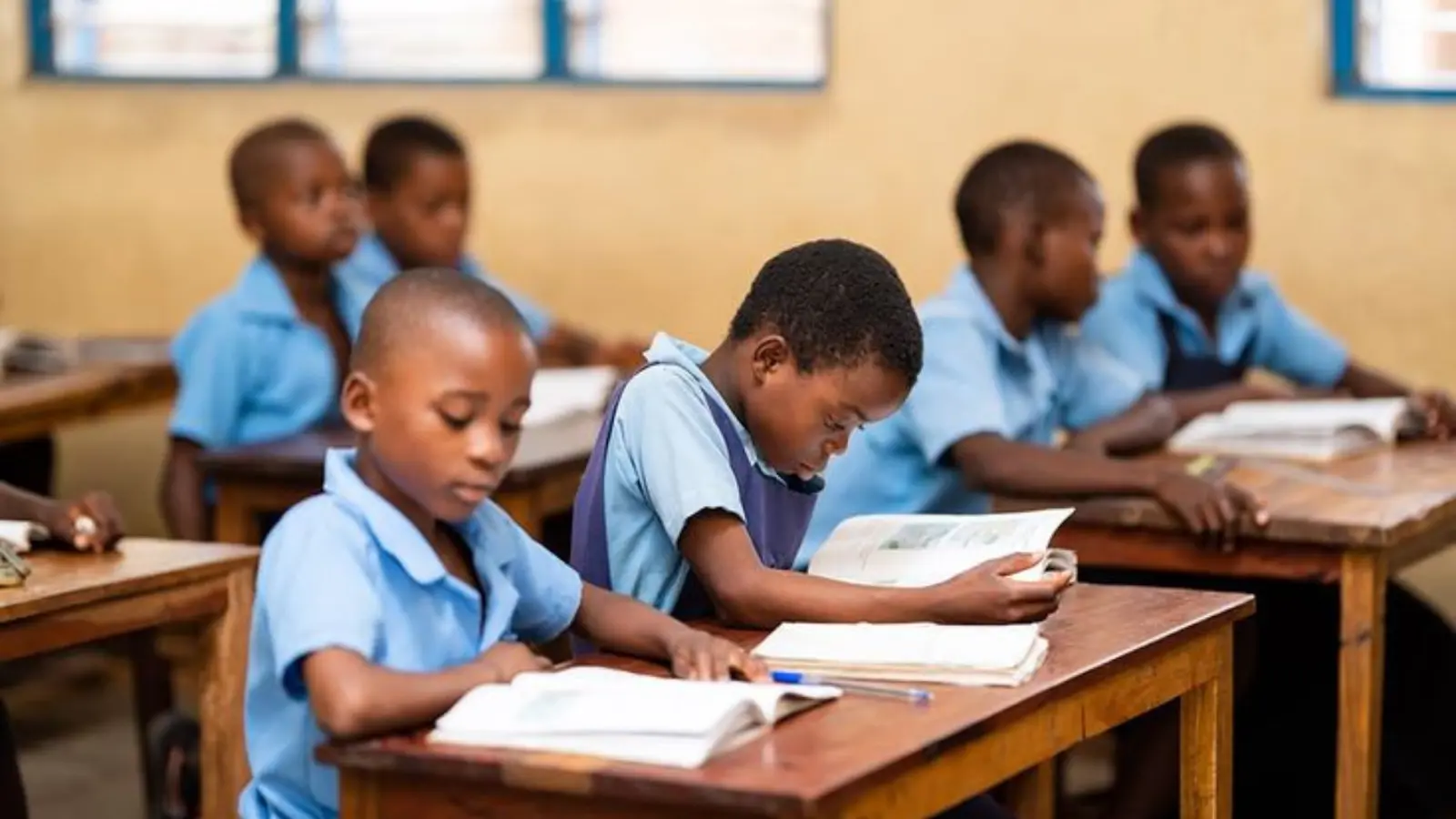
In the midst of the ongoing humanitarian crisis in Sudan, the role of education for displaced children has never been more urgent. The conflict has dismantled traditional learning pathways and left generations of young Sudanese at risk of losing their futures. Amel Foundation seeks to respond to that gap through targeted education programs for displaced Sudanese, recognising that learning is not just academic, but also a core element of refugee support initiatives, community empowerment Sudan, and sustainable development Sudan.
Through this lens, the Foundation aims to serve as a credible voice in the humanitarian space, documenting how education can create resilience, restore dignity, and rebuild lives.
The Crisis Behind the Crisis
Since the eruption of war in April 2023, Sudan has faced one of the worst humanitarian emergencies in the world. Over 17 million children are estimated to be out of school, and more than 10,000 schools have been shut, shelled or repurposed as shelters for displaced families.
Education is not simply about classrooms and chalkboards: it is deeply intertwined with child protection, psychosocial support, access to healthcare, and emergency food assistance. When schools close, children lose safe spaces, structured routine and the chance for hope, and the risk of exploitation and child labour rises.
In effect, addressing this education gap is a key dimension of humanitarian aid Sudan, not just feeding the immediate need, but restoring the future of displaced children.
Why Education Matters for Displaced Children
For children uprooted by conflict, learning offers more than academic knowledge. It offers stability, support and healing. Safe learning spaces are also protective environments where children can process trauma, build community and reclaim some sense of normality. According to UNICEF, children in Sudan who were displaced benefitted not only from lessons, but from access to health and nutrition services through their hosting schools.
Moreover, education is one of the building blocks for community empowerment in Sudan, empowering young people with skills, confidence and a chance to contribute. For the Amel Foundation’s mission to promote sustainable development Sudan, delivering education alongside health, nutrition and livelihoods is essential.
Finally, when children learn, societies heal. Refugee support initiatives that include education help prevent second‑generation displacement, break cycles of poverty and reduce vulnerability to conflict.
Barriers Faced by Displaced Students
The obstacles to providing effective education programs for displaced Sudanese are numerous and complex. Schools in conflict zones are overcrowded, under‑resourced, and in many cases have become shelters for displaced families rather than classrooms. For instance, one report notes school capacity doubled or tripled in regions like River Nile state when large numbers of displaced children arrived.
Another major barrier concerns access: approximately 17 million children are currently out of school in Sudan, and many are internally displaced or refugees in neighbouring countries where language, curriculum and administrative hurdles arise.
Teacher shortages, delayed salaries, lack of learning materials, and a fragmented supply chain all hamper the delivery of quality education. According to the European Union’s report, overcrowded classrooms (150‑180 students in one room) are now routine, making individual support extremely difficult.
For displaced children, additional challenges exist: trauma, interrupted previous schooling, child‑labour pressures, and host‑community tensions all reduce access and retention. Addressing these barriers is fundamental to successful education interventions.
What Effective Education Programs Look Like
Best‑practice programs integrating with humanitarian responses bring together multiple strands: safe learning spaces, psychosocial support, teacher training, and linkages to nutrition and health services. For example, UNICEF’s “Learning Passport” digital platform is helping conflict‑affected children in Sudan continue structured learning despite disruptions.
A holistic model: create safe spaces where displaced children can gather, provide accelerated or catch‑up learning curricula, train teachers to respond to trauma, and ensure linkages with community and family support. In Egypt, for instance, Sudanese refugee children accessed individual learning materials and online catch‑up classes in partnership with Egyptian universities.
Amel Foundation’s commitment to project areas in Sudan, such as its training and development initiatives and emergency projects, positions it to be part of this integrated approach.
How the Amel Foundation Contributes
At Amel Foundation, the focus goes beyond immediate relief into durable impact. Education programs for displaced Sudanese are placed within a broader framework of crisis response, including emergency food assistance, healthcare access and community empowerment. By collaborating with organisations such as Amoud Relief & Development and Sails of Hope Organization, the Foundation ensures local roots and sustainable reach.
In our safe‑city hubs; such as Omdurman, Al‑Ghadarif, Wad Madani, Kassala and New Halfa, children whose families are displaced receive daily hot meals, nutritional support and access to learning spaces. These are places where food security and education converge, ensuring children are fed and educated.
Our future clinic initiative aims to integrate medical, nutritional and educational services for newcomers and under‑served individuals a powerful example of linking education, healthcare access and sustainable empowerment.
Case Study: Re‑enrolling Displaced Children
Consider the example of programmes in Kassala and Gedaref where safe‑learning spaces were established and materials provided to thousands of students, many of whom are girls. During one reporting period, 230 schools in those states received essential learning materials, benefiting over 15,000 students; 68 new safe learning spaces supported nearly 19,800 children with education and psychosocial services.
Such interventions show how careful targeting of displaced children can reopen pathways to learning even amid war. For Amel Foundation, adapting lessons learned from global partners into local context is central.
Building Sustainability and Community Ownership
While emergency responses are vital, moving from crisis‑mode to long‑term resilience is equally important. Education programs for displaced Sudanese thrive when local communities and displaced persons themselves are involved in leadership roles. This is core to sustainable development Sudan.
Teacher training and incentives help maintain teaching capacity when crises ease. When schools, host‑communities and displaced families co‑operate the relationships built can ease tensions and foster social cohesion. Coordinating with local Islamic centres, mosques, diaspora organisations and community leaders ensures that displaced children are accepted, enrolled and supported.
At the same time, linking education with nutrition, healthcare access, and economic opportunities strengthens impact. The Foundation’s broader initiatives around food‑security and healthcare are integral to this ecosystem.
What Donors and Supporters Can Do
To scale up education programmes for displaced Sudanese effectively, resources must match the scale of the crisis. The education‑in‑emergency component is under‑funded: the regional education response for Sudanese refugees, for example, calls for US$109 million, yet only about 20 % had been mobilised at the time of reporting.
Support can take many forms: funding safe‑learning spaces, scholarships for displaced adolescents, teacher training, digital‑learning platforms, and integration support in host communities. Donations to Amel Foundation’s education‑linked programmes help bridge the gap between immediate relief and long‑term transformation.
Your support enables more than a class: it restores dignity, protects childhood, and gives families hope that displacement won’t mean permanent exclusion.
Looking Ahead: Vision for the Future
Education for displaced Sudanese must evolve from short‑term “make‑do” solutions into resilient systems capable of serving millions. Amel Foundation envisions a future where children in safe‑cities across Sudan not only return to classrooms, but thrive in learning environments that support nutrition, health, psychosocial wellbeing and active citizenship.
The planned clinic, training facilities and community‑outreach events are part of a broader aspiration: to turn relief into opportunity, vulnerability into empowerment. Education will remain the cornerstone of this transformation.
In partnering with donor networks, community organisations, local leaders and displaced persons themselves, the Foundation commits to being part of the solution, not merely reacting to crisis, but building capacity, nurturing talent and ensuring that the children of Sudan reclaim their right to learn.
Conclusion
The crisis in Sudan has disrupted lives, uprooted families and challenged the very idea of learning. Yet amid this devastation the opportunity remains: to deliver meaningful education programs for displaced Sudanese that protect, empower and restore. Through integrated humanitarian aid, nutrition support, healthcare access and community‑based learning, Amel Foundation is working to ensure that displaced children do not become a lost generation.
We invite you to join us, because when a child picks up a pencil again, the restoration of hope begins.

Comments are closed