
Understanding the Meaning of Fasting in Islam
Fasting days in Islam hold deep spiritual meaning for Muslims around the world. The practice of fasting is not simply about abstaining from food and drink; it is a time of reflection, self-discipline, and renewed connection with faith and community.
Within Islamic worship practices, fasting teaches patience, humility, and compassion. From dawn until sunset, Muslims refrain from eating and drinking while focusing on prayer and charity. For humanitarian organizations such as the AMEL Foundation, this period represents an important opportunity to address urgent needs while strengthening community solidarity.
The Core Fasting Days in Islam
Ramadan as the Central Month of Fasting
The most well-known fasting days occur during the month of Ramadan. This sacred month commemorates the revelation of the Quran and is one of the Five Pillars of Islam.
Families gather at sunset to break their fast in a meal known as iftar. The humanitarian importance of this tradition is vital during crises. According to the United Nations Office for the Coordination of Humanitarian Affairs, Sudan is currently experiencing one of the largest displacement emergencies in the world, with over 30 million people requiring assistance.
Islamic Fasting Rules and Exemptions
Islamic fasting rules are designed with compassion. Exemptions exist for those who are ill, pregnant, elderly, or traveling. Instead of fasting, individuals may offer fidya, a charitable act of feeding someone in need. In regions experiencing economic collapse, these contributions are lifelines for families who have lost access to stable food supplies.
The Humanitarian Importance of Ramadan
For families in Sudan, fasting during Ramadan is often paired with extreme hardship. Reports from the World Food Programme highlight that millions are experiencing severe food insecurity.
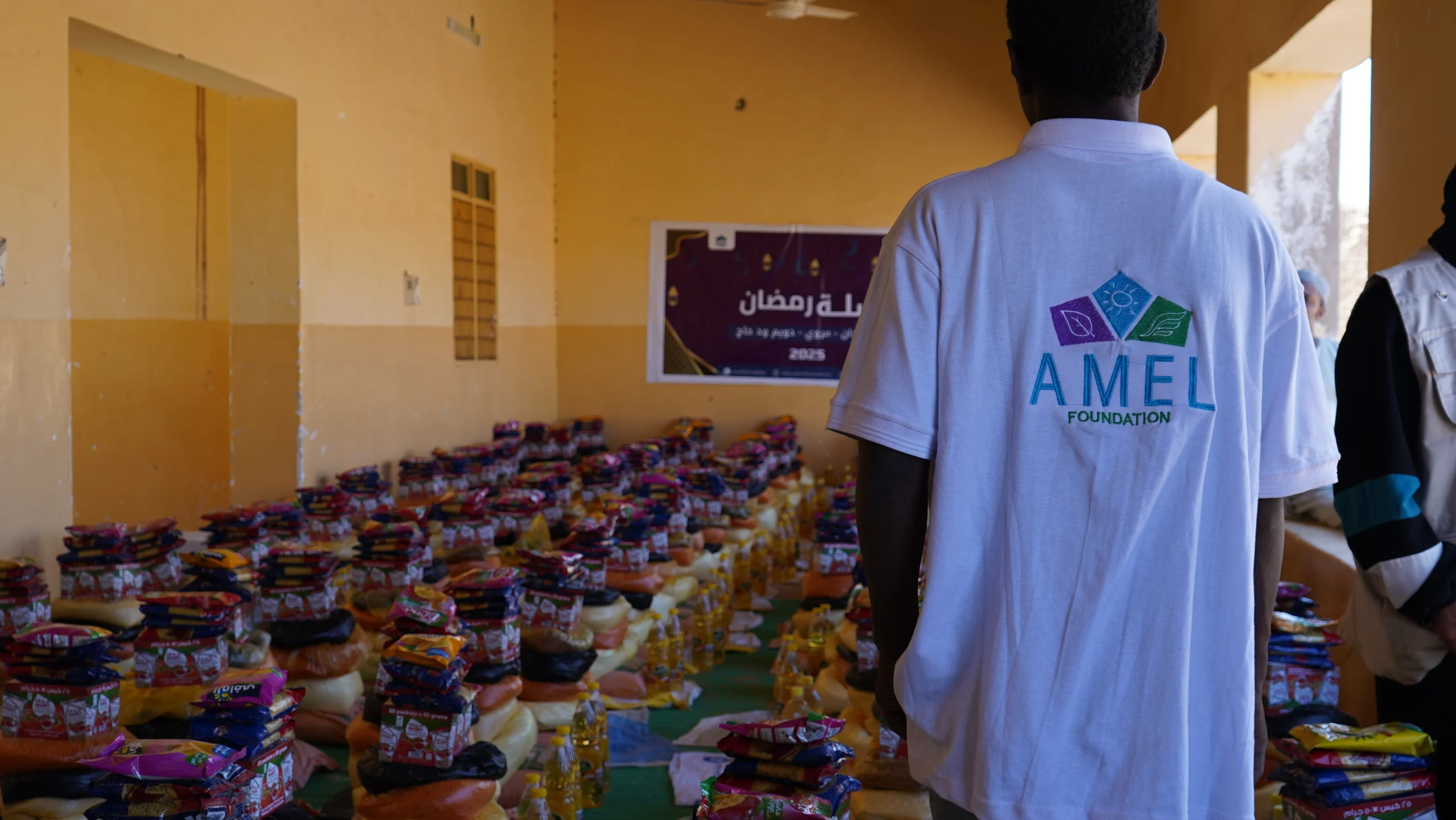
During Ramadan, humanitarian organizations work intensively to provide iftar meals and food packages. This ensures that those who fast all day have access to nourishment when the sun sets, transforming a spiritual ritual into a humanitarian necessity.
Voluntary Fasting in Islam
Beyond Ramadan, voluntary fasting continues throughout the year. Known as Sunnah fasting days, these are practiced on Mondays and Thursdays, or the “white days” in the middle of each lunar month.
These voluntary acts often translate into sustained support for aid programs. Donations linked to these days help fund long-term initiatives like the AMEL Foundation’s food security initiatives, which provide essential meals to vulnerable families year-round.
The Role of Fasting in Strengthening Communities
Collective iftar meals offer a rare moment of dignity in displacement camps. The World Health Organization notes that access to nutrition during crises is critical for both physical and mental wellbeing.
Programs like the AMEL Foundation’s Ramadan Iftar initiative deliver nutritious meals to those facing poverty or disaster, reflecting the humanitarian spirit embedded in Islamic worship.
Challenges in Delivering Aid
Delivering food during Ramadan is difficult in conflict zones. According to ReliefWeb’s Sudan crisis analysis, many regions remain hard to reach due to violence. Despite this, volunteers continue to work, ensuring that fasting remains a time of hope.
Fasting as a Reminder of Shared Humanity
The deeper meaning of fasting lies in its ability to nurture empathy. By experiencing temporary hunger, believers gain a deeper understanding of those living with chronic food insecurity.Fasting days in Islam represent far more than a religious obligation; they are a reaffirmation of a commitment to social justice. For families facing hunger and displacement, the generosity inspired by fasting can mean the difference between despair and survival.

Comments are closed