
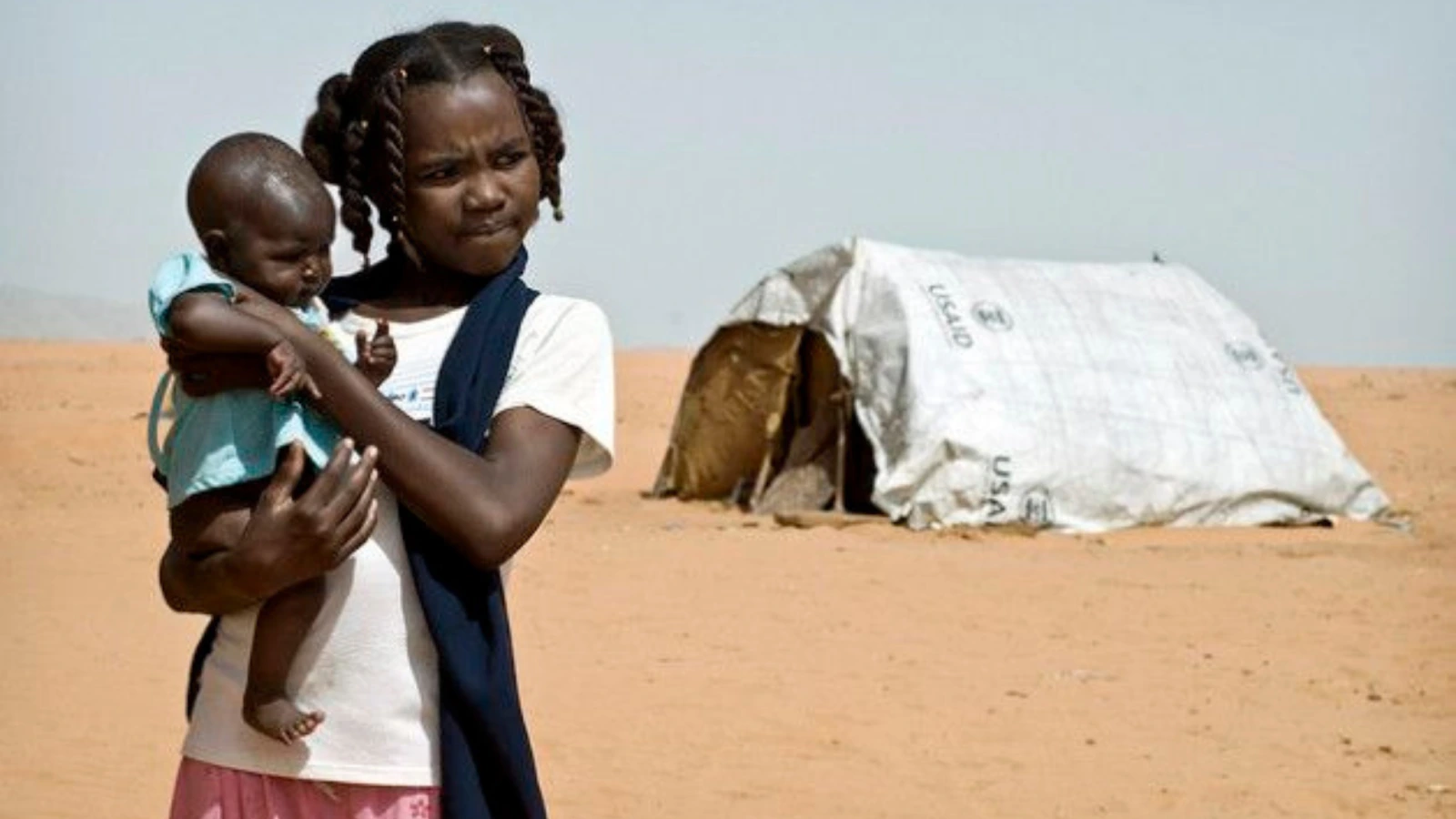
The war in Sudan has forced millions of families to leave their homes, communities, and livelihoods behind. As conflict and instability continue, displacement has become one of the greatest humanitarian challenges facing the region. Entire families are uprooted overnight, struggling to find safety, food, and dignity in a country torn apart by violence. This displaced families guide aims to shed light on their reality, the urgent humanitarian response needed, and the pathways toward rebuilding lives with strength and hope.
Understanding the Reality of Displacement in Sudan
Displacement is more than losing a home; it means losing a sense of belonging, safety, and stability. For Sudanese families, displacement often begins with a desperate escape from violence. Parents carry their children through dangerous terrain, sometimes walking for days with nothing but the clothes they wear. According to UN OCHA, more than 15 million people have been displaced since the conflict escalated in 2023, making it one of the world’s largest and fastest-growing displacement crises.
Displacement disrupts every aspect of family life. Children are separated from their schools and friends, parents lose their jobs, and communities fracture under the strain of survival. Yet, amid chaos, families continue to show remarkable courage an enduring symbol of community resilience and the Sudanese spirit.
The Impact of Displacement on Family Life
For displaced families, daily life is shaped by uncertainty. Parents struggle to provide food and shelter, while children often show signs of trauma and distress. The absence of routine and security can deeply affect emotional and psychological well-being. Many families experience symptoms of anxiety, grief, and depression conditions worsened by the lack of psychological recovery services.
Family structures also shift under pressure. In some cases, older siblings take on caregiving roles, while mothers, especially widows become sole providers in difficult environments. Supporting these families requires not only emergency assistance but also programs that restore dignity and stability through long-term humanitarian support and livelihood initiatives.
Meeting Immediate Humanitarian Needs
Displaced families face overlapping crises: food insecurity, lack of emergency shelter, poor sanitation, and limited access to medical care. According to the World Food Programme, millions are at risk of hunger due to disrupted supply chains and limited humanitarian access. Families rely heavily on food assistance programs, yet these remain severely underfunded.
Safe shelter is another critical concern. Many families live in overcrowded camps or makeshift tents without protection from the harsh weather. AMEL Foundation’s Emergency Relief Projects have helped provide temporary housing, cooking kits, and water containers to thousands of families across Sudan. However, the scale of need continues to outpace available resources.
Healthcare access is equally dire. With hospitals destroyed or nonfunctional, displaced communities face heightened risks of preventable diseases. This collapse of basic health services represents not just a logistical failure but a humanitarian emergency that demands global action.
The Role of Humanitarian Organizations
Delivering humanitarian aid in Sudan is a race against time and danger. Aid workers face immense challenges blocked roads, active conflict zones, and communication blackouts. Organizations like the UN Refugee Agency (UNHCR) and the AMEL Foundation work tirelessly to reach isolated families with lifesaving assistance.
Through initiatives such as Food Security Programs, local teams prepare community kitchens and distribute essential food items in areas where market access is impossible. Meanwhile, protection services safeguard vulnerable groups—particularly women and children—from exploitation and abuse.
Every meal shared, every tent erected, and every medical kit delivered represents a vital act of compassion that keeps hope alive in the darkest moments.
Education and the Future of Displaced Children
Displacement has stolen education from millions of Sudanese children. Without schooling, a generation risks being lost to illiteracy and instability. Yet, even in makeshift camps, learning continues. Community teachers, volunteers, and aid organizations create informal classrooms using tents, chalkboards, and sheer determination.
Education offers more than knowledge; it restores routine, belonging, and emotional healing for children living through war. Vocational and training programs for youth and adults are equally important. By teaching practical skills such as tailoring, mechanics, or farming, these initiatives contribute to sustainable recovery and future income generation, helping families break cycles of dependency.
The Path to Family Reunification
One of the most painful consequences of displacement is family separation. In the chaos of fleeing violence, many families lose contact with loved ones. Children become unaccompanied, and parents spend months searching for news. Humanitarian agencies coordinate family reunification efforts through registration, tracing, and safe transportation.
The process is complex, but every reunion represents a profound victory for dignity and humanity. These efforts highlight why donors’ support is essential each contribution fuels the infrastructure and logistics required to reconnect broken families.
Community Resilience and Local Empowerment
Despite overwhelming hardship, Sudanese communities are not merely victims, they are active agents of recovery. Local volunteers organize crisis response groups to coordinate shelter, distribute food, and provide moral support. Women’s groups play a central role, mobilizing neighborhoods and managing shared kitchens that feed hundreds daily.
Through AMEL Foundation’s Training and Development Programs, communities learn to manage resources, establish local cooperatives, and strengthen social networks. Such initiatives build financial resilience and ensure that aid translates into long-term impact rather than short-term relief.
How Global Solidarity Can Make a Difference
The crisis in Sudan is far from over, but global solidarity can determine how many lives are saved and restored. Donor engagement supports not only emergency relief but also long-term development education, health, and livelihood projects that help families recover independence. Supporting organizations like the AMEL Foundation ensures that every donation directly contributes to feeding families, restoring homes, and empowering survivors.
Awareness is equally vital. Sharing stories, advocating for humanitarian corridors, and urging world leaders to prioritize Sudan in global aid agendas can shift the tide from despair to hope.
A Road Toward Sustainable Recovery
True recovery for displaced families goes beyond tents and food parcels it’s about rebuilding lives with dignity. Sustainable recovery involves integrating displaced people into local economies, providing access to healthcare, and ensuring their voices are heard in decision-making.
The resilience of Sudanese families proves that even amid loss, there is strength in unity. With consistent humanitarian investment and community-based support, families can rise again stronger, safer, and self-reliant.
Conclusion: Rebuilding Hope, Together
The displaced families guide is not just about survival it’s about humanity’s shared responsibility. Each displaced family represents both suffering and the unbreakable will to overcome. Through humanitarian support, advocacy, and compassion, the world can stand beside Sudan’s most vulnerable communities as they rebuild from the ashes of war.
The AMEL Foundation remains on the frontlines, restoring dignity through direct relief, empowerment projects, and long-term recovery efforts. But the journey to stability is one that requires all of us every act of kindness, every donation, every shared story brings Sudan one step closer to healing.
When the world stands together, no family is truly displaced.

Comments are closed