
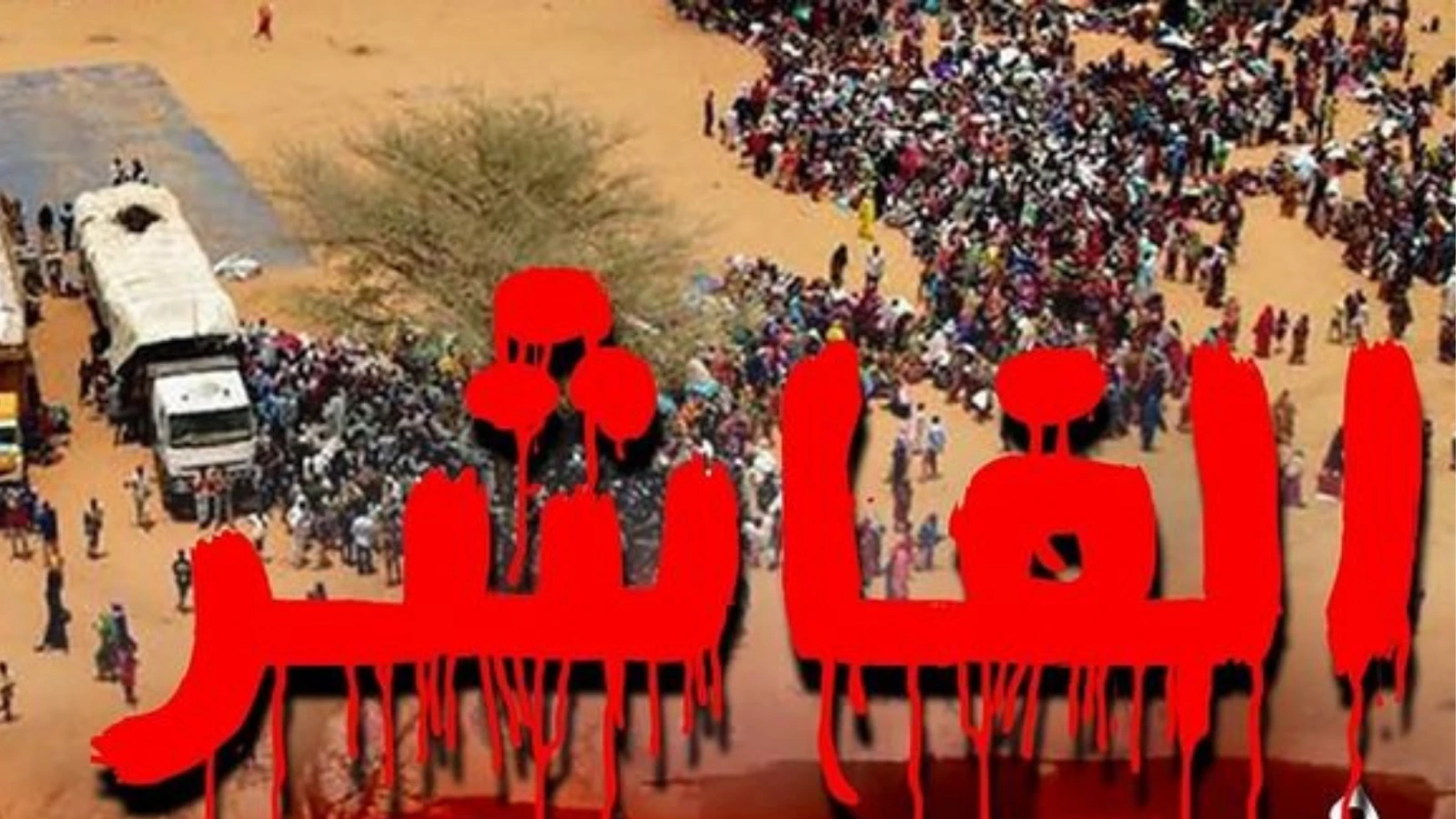
For months, the city of El Fasher has stood as a haunting symbol of the Sudan crisis. a place where families cling to life amid hunger, fear, and the echoes of war. Once a bustling capital of North Darfur, it is now under siege, cut off from supplies, and struggling to survive. As fighting continues, the world must face an undeniable truth: humanitarian aid is not reaching the people who need it most.
The City at the Center of the Storm
El Fasher has long been a cultural and economic heart of Darfur. Before the war, it hosted vibrant markets, schools, and hospitals that served thousands across the region. But since the El Fasher conflict intensified, these lifelines have been shattered. According to UN OCHA, most neighborhoods have been reduced to rubble, and the remaining hospitals struggle to operate with dwindling supplies and exhausted staff.
The city’s population has plummeted by more than half. What remains is a trapped community tens of thousands of civilians living in fear, surrounded by armed forces and cut off from roads that once carried food and medicine.
A Crisis of Survival: Food, Water, and Safety
Across Darfur, food insecurity has reached catastrophic levels. The World Food Programme reports that food prices in El Fasher have risen by over 460 percent since the siege began. Many families survive on one meal every two days, and clean water is now scarcer than ever.
Mothers line up at dawn for water trucks, hoping to fill a small jerrycan. Children faint from hunger before reaching relief points. The city’s markets, once filled with fresh produce and grain, now sell almost nothing but dust and desperation.
In this environment, hunger is not just a symptom, it is a weapon. The blockade of humanitarian corridors prevents emergency relief teams from delivering essential goods, making starvation an invisible front line in this war.
The Human Cost: Displaced Families and War-Affected Communities
The siege has driven more than a million people to flee El Fasher, joining the 12 million already displaced across Sudan. Most have sought refuge in nearby towns such as Tawila and Kebkabiya, where makeshift camps overflow with people and grief.
Inside these camps, overcrowding and poor sanitation create fertile ground for disease outbreaks. The World Health Organization has warned of rising cases of cholera and malnutrition among children. Every day, humanitarian workers meet mothers holding malnourished infants, uncertain whether they will see another sunrise.
The situation is especially dire for women and children. Many have lost fathers, husbands, or sons to violence, and countless others have endured displacement, abuse, and trauma that words can barely convey.
The Struggle to Deliver Aid
Delivering aid to El Fasher has become one of the hardest humanitarian operations in the world. Aid convoys face roadblocks, looting, and direct attacks. Air routes are limited and dangerous. Even when supplies reach the city’s outskirts, distributing them safely to civilians is nearly impossible without guaranteed ceasefire agreements.
Humanitarian organizations including the UN Humanitarian Office and grassroots partners like the Amel Foundation’s emergency projects continue to seek safe access. Their teams risk their lives to bring food, water, and medicine to war-affected communities that have gone months without consistent support.
But courage alone cannot overcome closed borders and empty warehouses. The world’s attention, funding, and political will are vital to keeping these missions alive.
The Hidden Health Emergency
Beyond hunger, El Fasher faces an escalating health disaster. With hospitals damaged or deserted, wounded civilians often have nowhere to go. Clinics that remain open operate by candlelight, reusing scarce supplies and depending on exhausted volunteers.
Diseases such as measles and diarrhea spread rapidly in crowded shelters. Pregnant women give birth without medical assistance, and children die from treatable infections. The Amel Foundation’s healthcare projects continue to provide critical interventions where possible mobile clinics, emergency treatments, and hygiene awareness programs that save lives every day.
Still, without steady funding and unimpeded access, the humanitarian health system in El Fasher teeters on the edge of collapse.
Global Solidarity: A Call to Conscience
The El Fasher conflict is not a distant tragedy; it is a test of global humanity. Every delayed convoy, every closed checkpoint, and every fading light in a hospital represents a failure to uphold collective responsibility.
International partners, donors, and individuals all have a role to play. Through global solidarity, sustained donations, and advocacy, the world can help reopen humanitarian corridors and prevent famine from consuming an entire generation. The Amel Foundation’s donation programs channel this collective goodwill into direct action supporting families with food baskets, clean water, and medical relief in Sudan’s hardest-hit areas.
Stories of Hope Amid Despair
Even in the darkest days, the resilience of the Sudanese people shines through. In El Fasher, volunteers still organize small learning spaces for children. Women’s groups cook communal meals from the little grain they have. Doctors, despite threats and exhaustion, continue to treat patients.
These acts of courage define Sudan’s spirit. They remind the world that humanitarian support is not just about aid it is about restoring dignity and sustaining hope. Through Amel Foundation’s ongoing food security initiatives, families receive sustenance and strength to rebuild, one meal at a time.
The Barriers We Must Break
The international humanitarian community faces enormous challenges: restricted access, limited funding, and the risk of escalating violence. But these barriers can—and must—be broken.
First, safe corridors must be established to ensure humanitarian support can reach isolated regions. Second, more flexible funding must be mobilized to address the shifting needs of displaced families and host communities. Finally, diplomatic efforts must prioritize protection of civilians and aid workers.
Every delay costs lives. Every act of solidarity saves them.
Rebuilding Resilience and the Road Ahead
Long-term recovery requires more than emergency response it demands investment in resilience. This includes rebuilding schools, empowering women through vocational training, and restoring agriculture. Amel Foundation’s training and development programs offer displaced youth and women a path toward independence and hope.
Humanitarian aid cannot substitute for peace, but it can plant its seeds. When communities are given the tools to recover, they begin to rebuild the social fabric torn apart by war.
El Fasher’s story is one of devastation but also of endurance. It calls on all of us to believe that compassion can outlast conflict.
Why El Fasher Matters to the World
What happens in El Fasher ripples across Sudan and beyond. It exposes the fragility of humanitarian systems, the limits of international will, and the power of ordinary people to endure.
This crisis challenges not just governments, but individuals everywhere to stand in solidarity. Each donation, each act of awareness, and each voice raised for Sudan adds strength to the collective demand for peace.
By amplifying El Fasher’s story, we do more than bear witness—we participate in rebuilding hope.
A Call for Immediate Action
The humanitarian situation in El Fasher is not just worsening, it is collapsing. The time for cautious diplomacy has passed; now is the moment for crisis response rooted in compassion and urgency.
Amel Foundation calls upon governments, donors, and individuals to act decisively: to support lifesaving aid, advocate for humanitarian access, and stand with Sudan’s people. Together, through unwavering commitment and collective empathy, we can transform despair into action and silence into hope.
The world cannot wait. El Fasher cannot wait. Every second counts.

Comments are closed