
Introduction
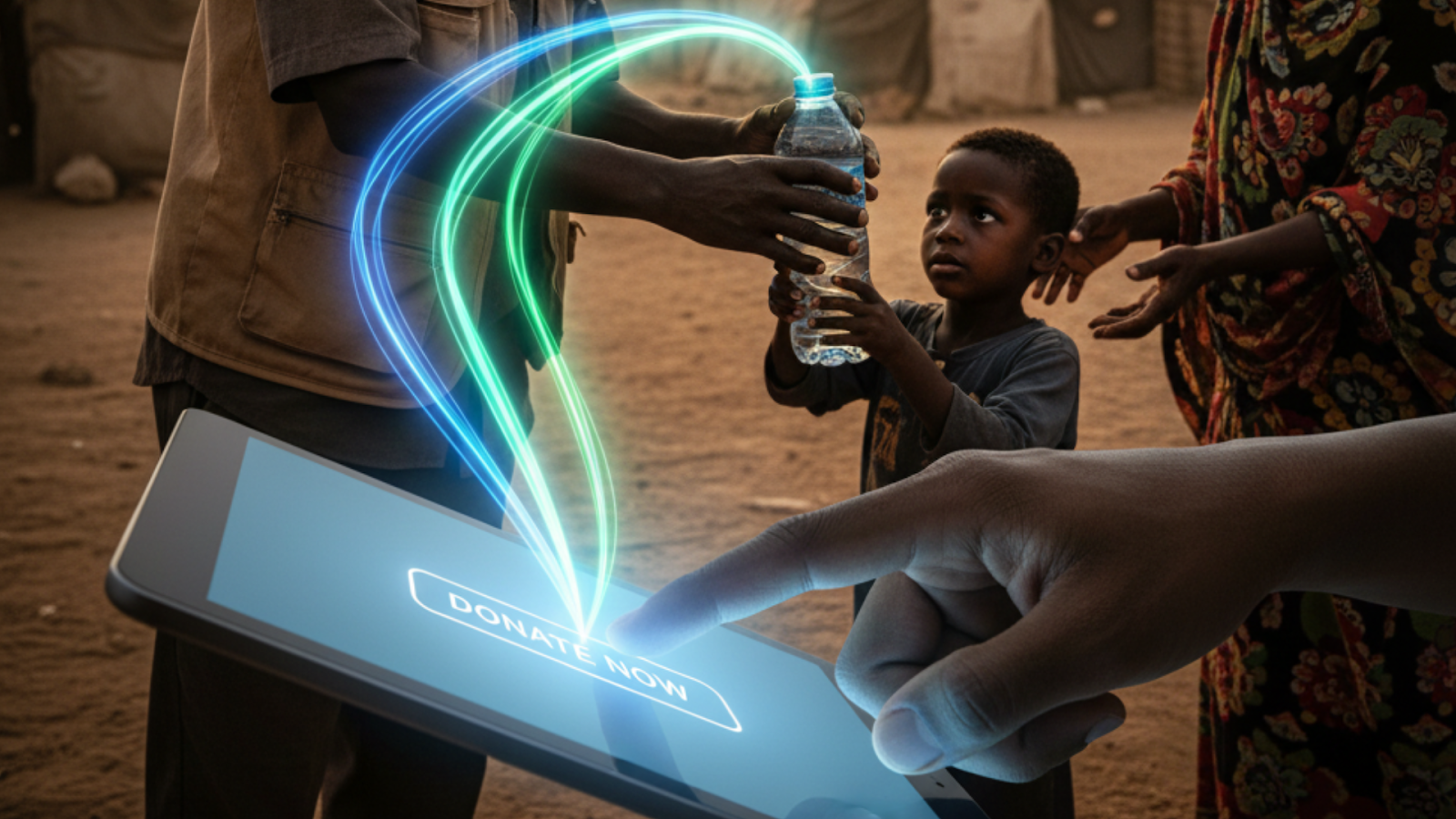
Sudan is facing one of the world’s most devastating humanitarian crises today. Over 30 million people need assistance, including millions displaced by conflict and flooding. Families are struggling with famine, collapsing health services, and widespread disease outbreaks. The urgency is undeniable: every day without help means lives lost.
In such a context, donation is not just about money. It is a lifeline a way to deliver food, water, medical care, and safety to those most in need. The AMEL Foundation believes that charitable giving is an act of solidarity, a powerful tool that connects people across borders in moments of crisis.
The Current Humanitarian Needs in Sudan
The crisis in Sudan is marked by overwhelming and overlapping emergencies. According to OCHA, more than 24 million people are experiencing acute food insecurity, and famine conditions are spreading in several states.
Children are among the hardest hit. Sixteen million children are directly affected; many are malnourished, out of school, and at risk of deadly diseases. Hospitals across the country are collapsing under the pressure, with only a fraction still operational. Outbreaks of cholera and dengue fever are rising, further endangering already vulnerable communities.
The crisis also brings unique challenges for women and girls. Reports highlight an increase in gender-based violence, forcing women to seek protection in overcrowded camps where resources are limited.
Each of these realities demonstrates why humanitarian aid donations are vital. They ensure that basic survival needs — food, water, health, and protection are delivered to those who cannot access them on their own.
Displacement and Its Human Toll
Since April 2023, Sudan has seen one of the fastest and largest displacements in the world. Over 12 million people have been forced to leave their homes, including nearly 9 million internally displaced and 3 million who have crossed into neighboring countries like Chad, South Sudan, and Egypt.
Displaced families live in camps or with host communities where resources are stretched thin. Food shortages, unsafe water, and poor sanitation create daily struggles. Neighboring countries, already struggling with their own challenges, are unable to meet the growing needs of refugees.
Beyond the material hardships lies deep emotional trauma. Families are separated, children lose years of education, and communities face the uncertainty of never returning home. Yet, amid this suffering, resilience shines through. Many displaced people organize local support networks, showing that survival is not only about receiving aid but also about human courage and solidarity.
Challenges Facing Humanitarian Aid Delivery
Providing aid in Sudan is not simple. Violence and active conflict often block humanitarian organizations from reaching those in need. According to UNHCR, aid workers face life-threatening risks, with reports of killings, abductions, and attacks on convoys.
Infrastructure damage further complicates delivery. Roads and bridges destroyed by both conflict and floods prevent trucks carrying food or medical supplies from reaching remote villages. Seasonal flooding isolates entire communities, cutting them off for weeks at a time.
Bureaucratic barriers also slow down response efforts. Securing permits to deliver aid or cross checkpoints can take days or weeks, costing precious time when lives hang in the balance. This reality underscores why crisis response support must be flexible, consistent, and well-funded.
The Power of Donation Impact
Every donation has the power to transform lives. It might look small on the surface, but its donation impact is immense when pooled together. According to the Humanitarian Response Plan 2025, supporting one person’s survival requires as little as 50 cents per day. That small contribution covers essentials like food portions, clean water, or a dose of medicine.
International aid organizations are calling for $4.2 billion in funding this year to assist nearly 21 million people. Without sufficient support, millions will remain without food, safe shelter, or healthcare. By participating in charitable giving, individuals everywhere can join a collective effort to keep Sudan’s families alive and hopeful.
Why Global Solidarity Matters
Sudan’s crisis is not isolated. Its consequences ripple across borders, affecting regional stability and global humanitarian priorities. When millions flee to neighboring countries, the strain on fragile economies grows. The spread of diseases like cholera also poses risks that extend beyond Sudan’s borders.
This is why global solidarity is critical. Donations from individuals, communities, and governments help sustain humanitarian operations. They also remind Sudanese families that they are not forgotten. Supporting them is not charity — it is a shared responsibility for human dignity and survival.
The AMEL Foundation’s Role in Sudan
The AMEL Foundation has a long history of working closely with communities in Sudan to meet urgent needs. From emergency relief projects to food security programs, the foundation ensures that donations are translated into real, practical support.
In 2024, AMEL expanded its healthcare initiatives to tackle outbreaks of preventable diseases in displaced camps. It also invested in water projects, providing clean and safe drinking water to families in areas where infrastructure was destroyed.
These programs show how sustainable aid projects are not only about survival today but also about building resilience for tomorrow. Donors who support AMEL’s work become part of a wider circle of care that extends hope where despair once dominated.
Building Long-Term Resilience Through Donations
Emergency food and medical supplies are essential, but donations also enable longer-term recovery. Communities need resources to rebuild farms, restore schools, and repair health systems. This is where nonprofit fundraising plays a critical role — it connects urgent aid to sustainable development.
Through donor engagement, the AMEL Foundation encourages contributors not only to give once but to remain invested in Sudan’s recovery journey. Regular donations help maintain stable funding streams that allow communities to plan beyond immediate survival.
Investments in livelihoods, education, and skills training are seeds of resilience. They empower Sudanese people to stand strong in the face of future crises, turning cycles of dependency into cycles of growth.
How You Can Make a Difference
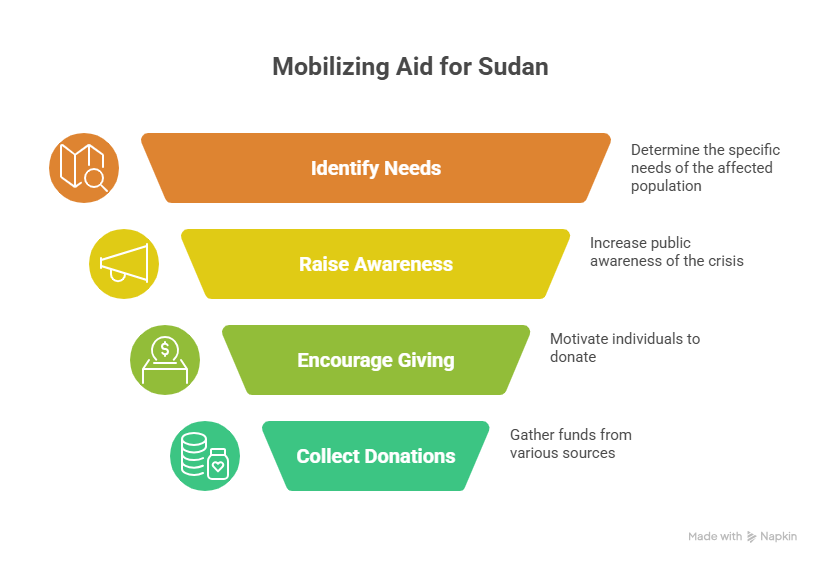
For those wondering how to help, the answer is simple: donations matter. No amount is too small to change a life. Whether supporting emergency relief funding for displaced families or contributing to sustainable aid projects that restore dignity, each act of generosity carries weight.
Becoming part of this effort means more than financial support. It is a statement of shared humanity — a choice to stand alongside Sudanese families in their hardest times. Through the AMEL Foundation’s donation platform, anyone can directly support life-saving interventions.
Conclusion: A Call to Action
Sudan’s humanitarian crisis is among the largest of our time. Millions face famine, disease, and displacement, yet the resilience of its people shines through. The courage of a mother finding food for her children, a health worker treating patients without electricity, or a youth group rebuilding their community reflects extraordinary strength.
But resilience alone is not enough. The world must respond with compassion and urgency. Through donation, individuals everywhere can offer hope and survival. Each contribution strengthens the chain of care, proving that even in the darkest times, humanity can come together to support vulnerable communities.

Comments are closed