
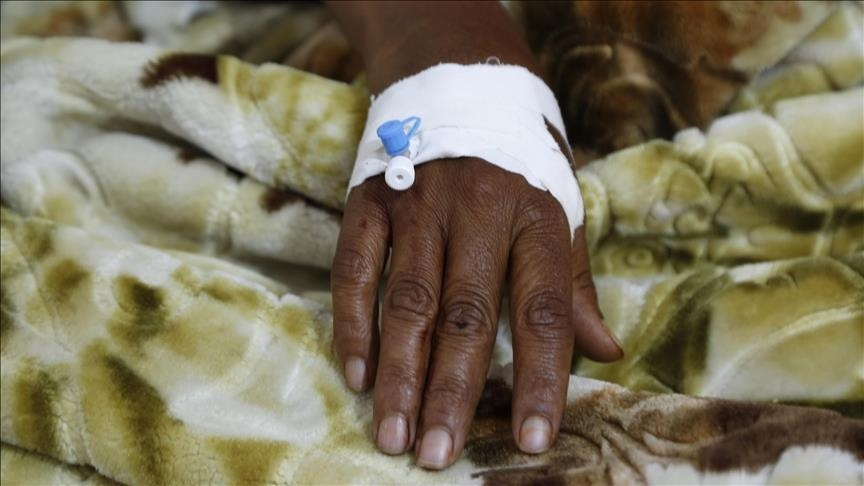
Blood donation is a powerful act of solidarity. In places affected by war and displacement, one donated unit can mean the difference between life and death. In Sudan today, where millions are uprooted and health systems are collapsing, blood donors are not just volunteers. They are lifelines.
At the AMEL Foundation, humanitarian teams witness daily how urgent the need is. Hospitals struggle to treat mothers with severe bleeding, children with malnutrition, and civilians injured by violence. Understanding what happens after blood donation is not only important for donor health and safety. It is also essential to sustain this lifesaving effort over time.
Understanding the Crisis Driving the Need for Blood
Sudan is facing the world’s largest displacement emergency. According to reports from ReliefWeb humanitarian updates, more than 30 million people now require urgent assistance. Health facilities are damaged or closed, and access to safe transfusions has become extremely limited.
The conflict that began in April 2023 has displaced over 14 million people. As highlighted by Al Jazeera’s crisis reporting, families are returning to destroyed homes while hospitals lack even basic supplies. Blood shortages are among the most critical gaps, especially in Darfur and other frontline areas.
This is why safe blood donation processes and strong post donation care matter more than ever. When donors understand recovery, they are more likely to give again safely.
What Happens Immediately After Blood Donation?
When a person donates blood, about 450 to 500 milliliters are removed from the body. This is safe for healthy adults, but it can temporarily affect circulation and energy levels. Many donors feel lightheaded or slightly tired during the first few hours.
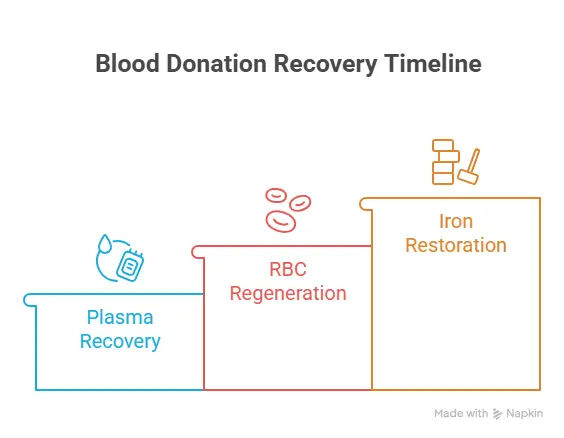
These side effects of blood donation are usually mild and short-lived. The body quickly adjusts, and within 24 to 48 hours, plasma volume is restored. Red blood cells take longer to fully recover, which is why donors are advised to wait several weeks before donating again.
In crisis settings, especially in hot climates or refugee camps, recovery can feel harder. Dehydration and poor nutrition may slow the process. That is why hydration after blood donation is essential, particularly for donors who are also facing hardship themselves.
Blood Donation Recovery: What the Body Needs
Blood donation recovery depends on rest, fluids, and nutrition. The human body is resilient. It begins producing new blood cells almost immediately after donation. However, it needs the right support.
Iron levels after donation can temporarily drop, especially for regular donors. Iron helps carry oxygen in the blood. Without enough iron, a person may feel fatigued or weak. This is why nutrition for blood donors must include iron-rich foods such as beans, leafy greens, and fortified grains whenever possible.
Rest after giving blood is equally important. Donors should avoid heavy lifting or intense exercise for at least a day. In conflict-affected communities, this can be challenging, but even small periods of rest help the body recover.
Hydration and Nutrition in Emergency Contexts
Hydration after blood donation is one of the simplest yet most powerful steps. Drinking water or oral rehydration solutions helps restore blood volume. In regions facing cholera outbreaks, as documented by the World Health Organization, maintaining hydration is critical for overall survival.
In displacement camps, access to clean water is not always guaranteed. This makes recovery more complex. AMEL Foundation teams working through our water support initiatives understand that water is not just about drinking. It is about health, dignity, and recovery after acts of generosity like blood donation.
Nutrition also plays a key role. In areas where food insecurity is severe, many donors give blood despite facing hunger themselves. Reports from UN News show that millions of Sudanese are experiencing acute food shortages. In such conditions, protecting donor health becomes a humanitarian priority.
How to Feel Better After Donating Blood
Most donors recover quickly, but some may feel weak or dizzy. Knowing how to feel better after donating blood builds confidence and encourages repeat donations. The first step is to sit or lie down if dizziness occurs. Taking slow breaths helps stabilize circulation.
Eating a balanced meal within a few hours supports blood sugar levels. Even simple local foods can make a difference. For donors who are fasting or under stress, recovery may take slightly longer, but it is still safe when managed carefully.
Monitoring one’s body is part of responsible donation. If symptoms persist beyond two days, medical advice should be sought. Protecting donor health and safety ensures that the system remains ethical and sustainable.
Blood Shortages in Conflict Zones
The humanitarian need for blood in Sudan is urgent and ongoing. Hospitals treating trauma injuries, childbirth complications, and severe malnutrition require consistent transfusions. Yet many facilities are damaged or looted.
According to humanitarian analysis from crisis assessments, access constraints and insecurity block medical supply routes. Blood banks cannot function without electricity, refrigeration, and safe storage.
When donors understand this chain, they see how their contribution fits into a fragile but lifesaving system.
Displacement and Diaspora Blood Drives
Sudanese communities in exile have organized blood drives in neighboring countries and across the diaspora. These campaigns demonstrate resilience and solidarity despite personal hardship.
Many displaced individuals donate while navigating uncertain housing, employment, and legal status. Their commitment reflects deep compassion. However, recovery can be harder when stress, heat, and limited nutrition are present.
This is why post donation care education must accompany every drive. In partnership with our healthcare programs, AMEL Foundation emphasizes safe blood donation processes and proper follow-up to protect volunteers.
Iron Levels and Repeated Donations
Regular donors are heroes, but frequency must be managed carefully. Iron levels after donation need time to replenish. Healthy adults are usually advised to wait eight to twelve weeks between donations.
In crisis environments, some people want to donate more often because the need feels overwhelming. While the intention is noble, donor health must not be compromised. A weakened donor cannot continue helping others.
Clear education builds trust. It shows that humanitarian work values both recipients and donors equally.
The Link Between Blood Donation and Humanitarian Aid
Blood donation does not exist in isolation. It is part of a broader ecosystem of humanitarian response. According to ongoing appeals documented by ReliefWeb and other agencies, funding for Sudan’s crisis response remains dangerously low.
Without sufficient support, hospitals cannot maintain storage systems, testing equipment, or safe transfusion standards. This increases reliance on emergency family donations, which may not always meet safety standards.
Through our emergency response programs, the AMEL Foundation advocates for strengthened blood services alongside food security, water access, and medical outreach. Every intervention connects to the same goal: saving lives with dignity.
Protecting Donor Health and Safety
Donor health and safety must remain central in every campaign. Screening ensures that individuals are healthy enough to give. Education ensures they recover properly. Follow-up ensures they feel supported.
The safe blood donation process includes testing for infections, monitoring hemoglobin levels, and providing immediate aftercare. These standards protect both donor and patient. In fragile health systems, maintaining these safeguards is not optional. It is essential.
When communities trust the system, participation grows. This trust becomes a powerful tool against fear and misinformation.
A Shared Responsibility in Times of Crisis
After blood donation, the story does not end. Recovery is part of the humanitarian journey. Each donor who rests, hydrates, and nourishes their body is preparing to help again in the future.
Sudan’s crisis continues to demand urgent action. With millions displaced and health systems under strain, blood remains one of the most immediate needs. Yet sustaining supply depends on informed, healthy donors.
At the AMEL Foundation, the message is clear. Compassion must be matched with knowledge. Blood donation recovery, proper post donation care, and strong humanitarian coordination together create a system that saves lives today and protects those who give tomorrow.
In times of war and displacement, resilience is not only found in survival. It is found in the quiet strength of individuals who give a part of themselves so that others may live.

Comments are closed