
The purpose of fasting in Islam is deeply spiritual, but it is also profoundly human. It connects the believer to God while connecting the heart to the suffering of others. During Ramadan, Muslims abstain from food and drink from dawn to sunset, not as an act of punishment, but as an act of awareness, gratitude, and compassion. In times of global hardship, especially in places like Sudan, the meaning of fasting becomes even more urgent.
Today, Sudan is facing one of the largest humanitarian emergencies in the world. According to the United Nations Office for the Coordination of Humanitarian Affairs, millions are displaced and in urgent need of food, water, and medical care. In such a context, fasting is no longer just a personal act of worship. It becomes a reminder of shared humanity and responsibility.
Understanding the Purpose of Fasting in Islam
Fasting, known as sawm, is one of the five pillars of Islam. It is not optional for those who are able. It stands alongside prayer, charity, faith declaration, and pilgrimage as a core act of worship. The Islamic teachings on fasting make clear that it is meant to shape character, build discipline, and purify the soul.
The Quran explains that fasting was prescribed so that believers may develop taqwa in Islam, which means God-consciousness and moral awareness. This spiritual discipline in Islam trains the believer to control desires, practice patience, and remember those who live in hunger every day. In a world where millions do not choose hunger but endure it, this purpose becomes painfully real.
Taqwa and Spiritual Discipline in Islam
At its heart, fasting is about self-control. When a person refrains from eating and drinking despite being able to do so, they learn restraint. This spiritual discipline in Islam teaches humility and obedience. It reminds the believer that life is not centered on comfort, but on accountability and purpose.
In Sudan, more than 30 million people require humanitarian assistance, according to reports from the World Health Organization. For displaced families in Darfur or Khartoum, hunger is not symbolic. It is daily reality. When Muslims fast during Ramadan, they voluntarily step into a small portion of that experience. This creates empathy for the poor in Islam, which is one of the central Ramadan fasting benefits.
Self Purification in Islam Through Fasting
Another core purpose of fasting in Islam is self purification in Islam. By reducing physical intake, the believer increases spiritual reflection. Time normally spent on meals becomes time for prayer, reading the Quran, and helping others. The relationship between the Quran and fasting is strong, as Ramadan is the month in which the Quran was revealed.
This purification is not only about avoiding food. It includes guarding the tongue, controlling anger, and avoiding injustice. In humanitarian work, this purification translates into ethical action. When communities practice spiritual growth through fasting, they are more likely to respond to suffering with compassion rather than indifference.
Fasting and Empathy for the Poor in Islam
Fasting is designed to awaken empathy. When a mother in a displacement camp in Sudan fasts without knowing if there will be food at sunset, her experience reflects both faith and hardship. For many families, there is no guarantee of iftar. The UNHCR reports that Sudan has become the largest displacement crisis in the world, with millions forced from their homes.
This is where charity during Ramadan becomes essential. The purpose of fasting in Islam is not fulfilled if hunger does not move the heart toward generosity. Zakat and sadaqah are not side acts. They are natural outcomes of taqwa. When fasting builds empathy for the poor in Islam, it pushes believers to give.
Ramadan Fasting Benefits Beyond the Individual
Ramadan fasting benefits extend beyond personal spirituality. Communities change during this month. Mosques organize collective prayers, families gather for iftar, and charities increase their outreach. In crisis zones, these acts of solidarity can be life-saving.
In Sudan, local community kitchens known as takaaya have become a lifeline. Yet many are collapsing due to lack of funding and blocked access routes. Reports from humanitarian observers show that food insecurity has reached extreme levels, with millions facing famine conditions. The purpose of fasting in Islam calls believers to protect life. Supporting food security programs is not separate from worship; it is an expression of it.
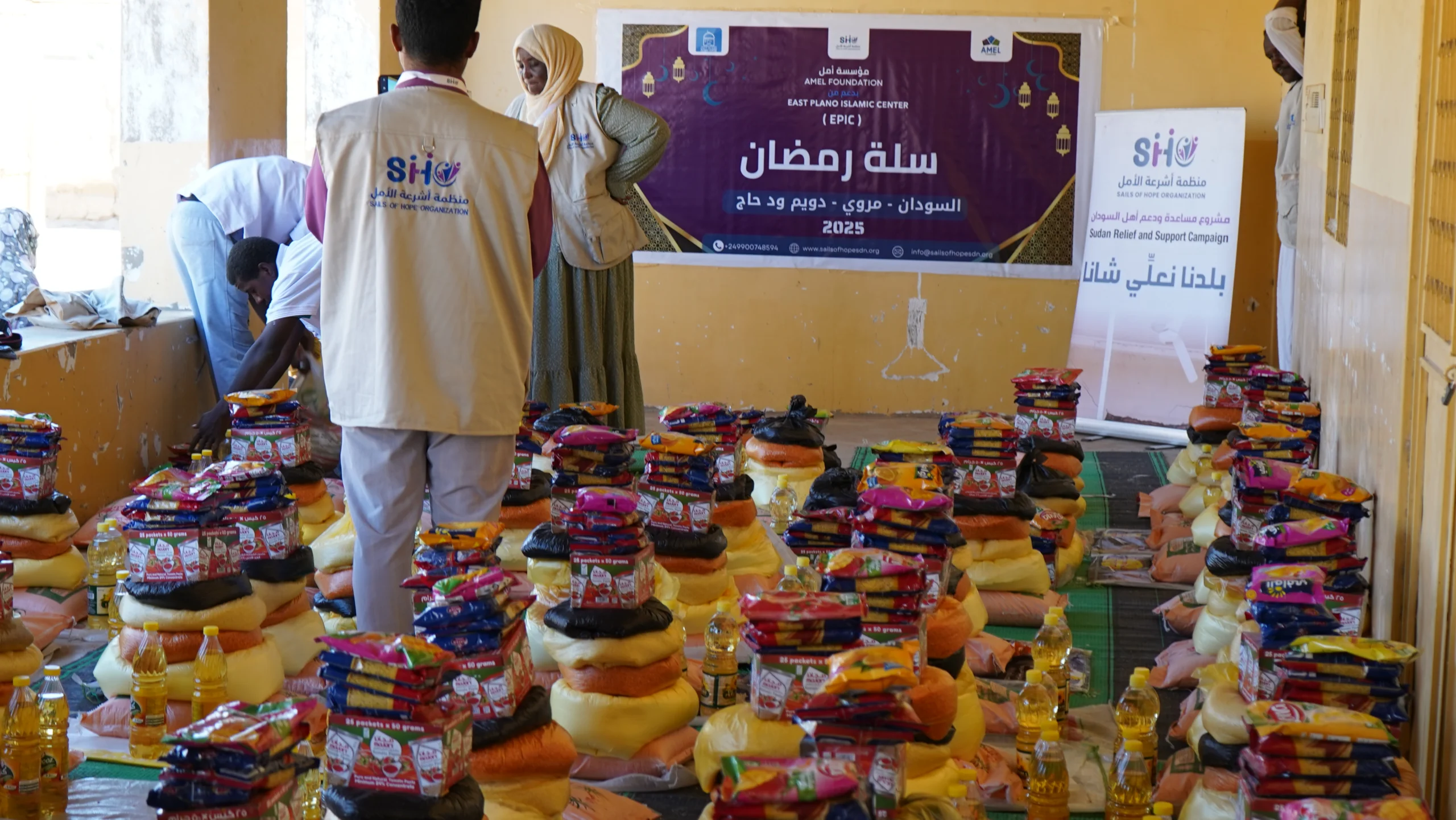
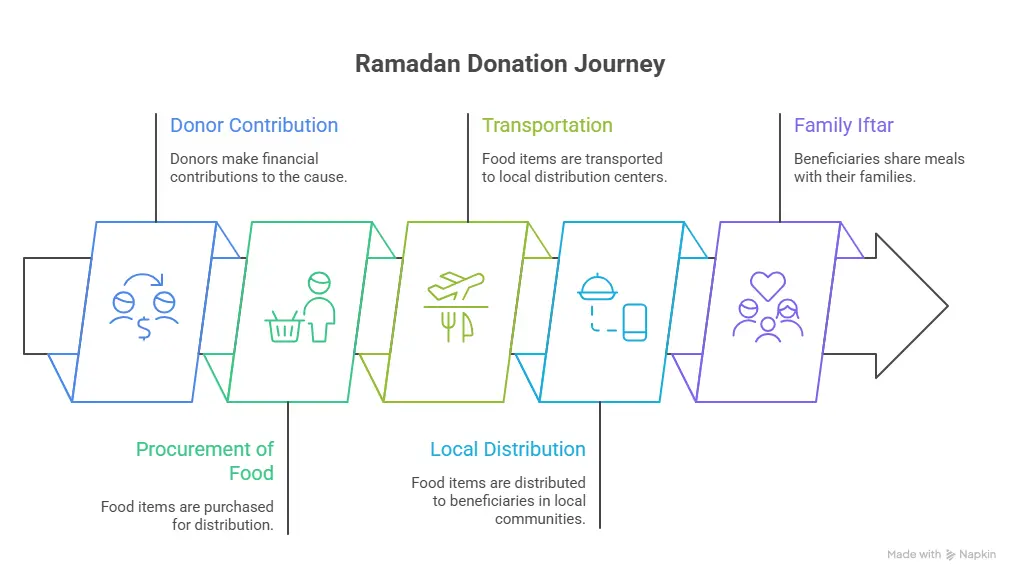
Through initiatives like AMEL Foundation’s Iftar Ramadan program, donors help ensure that displaced families can break their fast with dignity. This reflects the true meaning of spiritual growth through fasting: transforming personal sacrifice into collective relief.
Health Challenges During Fasting in Crisis Zones
Fasting in safe environments is different from fasting in overcrowded camps with limited clean water. Cholera outbreaks, malaria, and malnutrition continue to threaten vulnerable populations. The World Health Organization’s public health data confirms that lack of safe water and sanitation increases the risk of deadly disease, especially among children.
When fasting women, elderly people, or those already weakened by hunger try to observe Ramadan, their physical strain increases. Humanitarian response must consider both spiritual and medical realities. Access to clean water, healthcare, and nutrition becomes urgent, especially during Ramadan.
AMEL Foundation addresses these needs through its healthcare programs, which focus on restoring dignity and preventing preventable deaths. In this way, the purpose of fasting in Islam connects directly to public health and humanitarian responsibility.
Fasting Away from Home: Displacement and Faith
For many Sudanese families, Ramadan is now observed far from home. Over 14 million people have been displaced by conflict. Many live in neighboring countries or temporary shelters. Traditions that once filled homes with warmth are now reduced to shared meals under tents.
Yet faith remains strong. Refugees often describe fasting as a source of resilience. It gives structure to days filled with uncertainty. It reminds them that hardship is temporary and that patience has meaning. This spiritual discipline in Islam becomes a source of psychological strength.
Charity During Ramadan as a Lifeline
Charity during Ramadan is not symbolic. It is structured within the pillars of Islam. Zakat is obligatory, and sadaqah is encouraged. Together, they create a safety net for the most vulnerable. In times of famine, this safety net can determine whether families survive.
When donors support food security initiatives, water projects, and emergency aid, they are fulfilling the purpose of fasting in Islam in its fullest sense. They move from reflection to action. Through programs like AMEL Foundation’s food security projects, communities receive essential supplies that allow them to observe Ramadan with hope rather than despair.
The Role of the Quran and Fasting in Times of Hardship
The Quran and fasting are closely linked. Ramadan is described as a month of guidance and mercy. When believers read verses about patience and justice while fasting, the message becomes stronger. It calls them to act justly and support those who are oppressed.
In humanitarian settings, this guidance translates into solidarity. It challenges communities to advocate for safe corridors for aid, for ceasefires that allow food distribution, and for sustained international attention. Faith is not passive. It encourages protection of life and dignity.
The purpose of fasting in Islam therefore extends beyond individual salvation. It shapes social responsibility. It encourages believers to see every hungry child as a trust and every displaced mother as deserving of safety.
Turning Spiritual Growth into Humanitarian Action
Spiritual growth through fasting should not end at sunset. It should continue through sustained support for those in crisis. As funding gaps widen and global attention shifts, Sudan risks becoming a forgotten emergency. Yet the needs remain urgent.
AMEL Foundation works on the ground to respond to these needs through emergency relief, water access, healthcare, and Ramadan-specific programs. Those who wish to align their faith with action can learn more through the AMEL Foundation donations page, where contributions directly support vulnerable communities.
The purpose of fasting in Islam is fulfilled when compassion leads to concrete support. It is fulfilled when taqwa transforms into generosity. It is fulfilled when hunger awakens empathy rather than indifference.
Conclusion: Fasting as Faith and Responsibility
The purpose of fasting in Islam is not limited to personal discipline. It is a journey toward self purification in Islam, deeper awareness of God, and greater empathy for the poor in Islam. In a world where millions face hunger not by choice but by force, fasting becomes a powerful reminder of shared vulnerability.
Sudanese families continue to fast despite conflict, displacement, and scarcity. Their resilience reflects spiritual strength. But resilience alone is not enough. It must be met with solidarity.
This Ramadan, spiritual discipline in Islam can become life-saving action. Through charity during Ramadan, through sustained advocacy, and through continued support for humanitarian efforts, fasting becomes more than abstaining from food. It becomes a commitment to protect life, restore dignity, and stand with those who endure hardship every day.

Comments are closed