
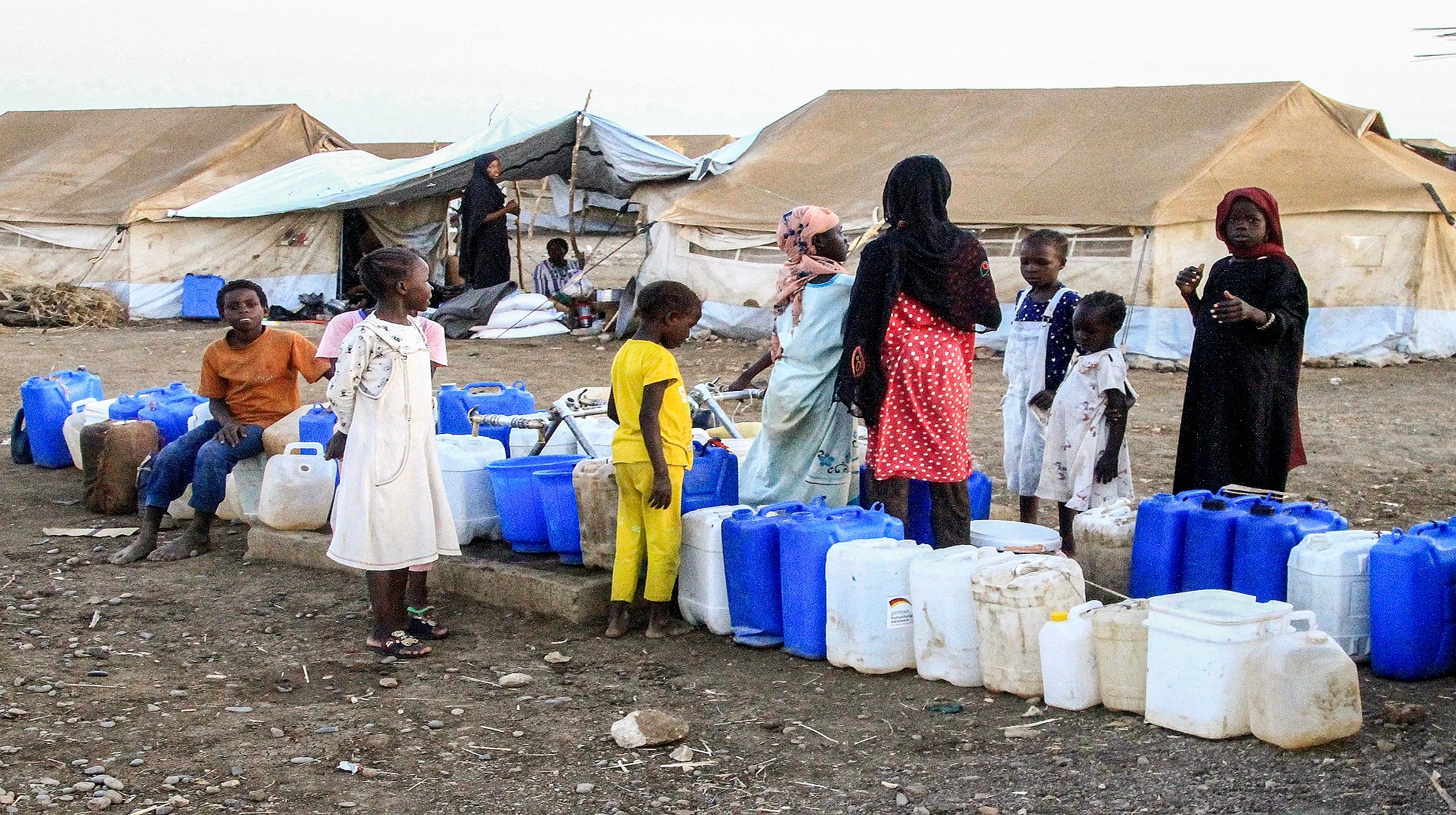
Across the world, millions of children are growing up without the care and protection of their parents. Some have lost family members because of war, poverty, disease, or natural disasters. Others have become separated during displacement and are now surviving in difficult conditions without stable support systems. Behind every statistic is a child trying to cope with fear, uncertainty, and emotional loss while navigating a world that often feels unsafe and unstable.
The challenges faced by orphans are far more complex than many people realize. These children often struggle with emotional trauma, interrupted education, healthcare barriers, poverty, and social isolation all at the same time. In conflict zones such as Sudan, these struggles become even more severe as war and displacement continue destroying families and communities.
According to the United Nations Office for the Coordination of Humanitarian Affairs, millions of children in Sudan are currently living through one of the world’s most severe humanitarian emergencies. The collapse of healthcare, education, and protection systems has left vulnerable children in crisis facing enormous risks every day.
The Emotional Trauma of Losing Parents
One of the deepest challenges faced by orphaned children is emotional trauma. Losing parents often leaves children feeling unsafe, abandoned, and uncertain about the future. In conflict zones, many children witness violence directly before becoming separated from their families, creating lasting psychological wounds that are difficult to heal.
Emotional trauma in children can appear in many ways. Some children become withdrawn and silent, while others experience fear, anxiety, nightmares, or anger. Without emotional support and stable caregiving, these feelings can affect a child’s development, education, and ability to form healthy relationships later in life.
Humanitarian organizations continue stressing the importance of mental health support for orphans because emotional healing is closely connected to long-term recovery. Safe relationships, counseling, and supportive community environments help children begin rebuilding trust after profound loss.
Trauma During Conflict and Displacement
War intensifies emotional suffering for orphaned children. Many children in Sudan have witnessed bombings, displacement, hunger, and the deaths of family members. Others have been forced to flee across borders or survive in overcrowded camps without familiar caregivers.
According to UNICEF Sudan, millions of children remain affected by displacement and violence, creating widespread emotional distress across communities. Children experiencing repeated instability often struggle to feel safe even after reaching temporary shelters.
This is why child protection systems must include emotional care alongside food and shelter. Trauma that remains untreated during childhood can continue affecting mental health and stability for many years.
Poverty and Child Displacement Create Daily Hardships
Poverty and child displacement are closely connected to orphanhood. Many orphaned children lose not only their parents but also their homes, schools, and financial security. During humanitarian emergencies, children often become dependent on aid organizations or extended family members who may already be struggling themselves.
Displacement creates additional barriers because children may move repeatedly between camps, shelters, or temporary settlements. Constant movement disrupts routines, separates children from support systems, and limits access to healthcare and education.
The Sudan crisis has displaced millions of families and children across the region. According to the UN Refugee Agency, displaced children continue facing severe risks linked to hunger, instability, and lack of protection.
Hunger and Malnutrition Among Orphaned Children
One of the most urgent healthcare challenges for children in humanitarian emergencies is hunger. Orphaned children are especially vulnerable because they often lack adults who can secure stable access to food and resources.
In Sudan, humanitarian agencies continue warning about rising famine risks and severe malnutrition among children. Malnutrition weakens children physically while also affecting brain development, emotional wellbeing, and immune systems.
Humanitarian aid for vulnerable children therefore includes emergency feeding programs, nutritional treatment, and long-term food security initiatives. Programs like the AMEL Foundation food security efforts help vulnerable families and children access basic nutrition during periods of crisis.
Limited Access to Education for Orphans
Education is often one of the first systems disrupted during humanitarian crises. Schools may be destroyed, occupied, or converted into shelters for displaced families. For orphaned children, losing access to education removes an important source of stability and protection.
Access to education for orphans is essential because schools provide much more than academic learning. They create routines, emotional support systems, and opportunities for long-term recovery. Teachers and classmates often become part of the support network helping children regain confidence and hope.
Unfortunately, millions of children living through war and displacement remain out of school. In Sudan, educational disruption has affected entire communities, leaving many children without opportunities to continue learning.
Education Protects Children From Exploitation
Children who are out of school become more vulnerable to exploitation, child labor, trafficking, and forced recruitment. Education therefore plays a direct role in child protection and long-term safety.
Safe learning environments also help children process emotional trauma and rebuild social connections after loss. Humanitarian organizations increasingly recognize that education should be treated as an essential emergency service rather than a secondary priority.
Programs focused on education and child development help children rebuild futures despite the instability surrounding them. The AMEL Foundation training and development initiatives reflect the importance of creating opportunities that support long-term growth and independence.
Healthcare Challenges for Orphaned Children
Healthcare access becomes extremely difficult during humanitarian emergencies, especially for children without parental support. Many orphaned children struggle to receive vaccinations, medical treatment, or nutritional care because healthcare systems collapse during conflict.
In Sudan, hospitals and clinics have been damaged, looted, or forced to close because of insecurity and shortages. According to the World Health Organization emergency updates, millions of people now face severe healthcare shortages across conflict-affected regions.
Orphaned children living in camps or overcrowded shelters are especially vulnerable to disease outbreaks because of poor sanitation and weakened immune systems. Preventable illnesses can quickly become life-threatening without access to treatment.
The Importance of Clean Water and Sanitation
Clean water is closely connected to children’s health and survival. In many displacement areas, overcrowding and poor sanitation increase the spread of cholera, diarrhea, and other waterborne diseases.
Children affected by malnutrition are even more vulnerable to infections because their immune systems are weakened. Supporting water and sanitation programs therefore directly contributes to protecting children’s health and reducing preventable deaths.
The AMEL Foundation water programs and healthcare initiatives demonstrate how practical humanitarian interventions can improve conditions for vulnerable communities and orphaned children.
Exploitation and Protection Risks
Children without parental care face heightened risks of exploitation during crises. Armed groups, traffickers, and abusive individuals often target children who appear isolated or unsupported. Girls and boys may experience different forms of exploitation, but both remain highly vulnerable during displacement.
The child protection crisis in Sudan has intensified because millions of children are living in unstable environments without strong protection systems. Humanitarian reports continue documenting increased risks of trafficking, forced labor, child marriage, and violence against children.
Without consistent orphaned children support systems, many children become invisible to authorities and aid organizations. This makes it harder to monitor their safety or provide long-term care.
Forced Labor and Survival Risks
Some orphaned children are forced into work simply to survive. Others may be pushed into dangerous situations because they lack food, shelter, or financial support. These survival pressures place children at enormous risk physically and emotionally.
Community protection systems become critically important in these situations. Local volunteers, caregivers, teachers, and humanitarian workers often play central roles in identifying vulnerable children and helping them access support services.
The AMEL Foundation Orphans Program reflects the importance of providing long-term care, stability, and dignity-centered support for children facing hardship and displacement.
Social Isolation and Loss of Belonging
Many orphaned children struggle with feelings of loneliness and social exclusion. Losing parents often changes how children see themselves and how they interact with others. Some children may feel unwanted or disconnected from the communities around them.
Social isolation becomes worse during displacement when children lose familiar neighborhoods, schools, and relationships. Rebuilding trust and belonging takes time, especially for children who have experienced repeated instability.
Community support therefore plays a major role in helping children recover emotionally. Safe relationships with caregivers, teachers, peers, and volunteers help children regain confidence and feel valued again.
The Power of Stable Relationships
Children heal best when surrounded by consistent care and emotional safety. Supportive relationships help reduce fear, build resilience, and encourage healthy emotional development even during difficult circumstances.
Programs focused on mental health support for orphans increasingly prioritize community-based care rather than institutional isolation. Children generally recover more successfully when they remain connected to supportive social environments.
This is why humanitarian responses must focus not only on physical survival but also on emotional wellbeing and human connection.
Why Long-Term Support Matters
Helping orphaned children requires more than short-term emergency aid. Children need stable support systems that continue long after the immediate crisis fades from headlines. Long-term care helps children rebuild confidence, continue learning, and develop skills that support future independence.
Humanitarian organizations, governments, local communities, and donors all play important roles in protecting vulnerable children worldwide. Sustainable support includes education, healthcare, nutrition, emotional care, and economic stability for families and communities.
Without these long-term systems, children remain vulnerable to repeated cycles of poverty, displacement, and exploitation.
Building a Safer Future for Children
Protecting orphaned children is ultimately about protecting the future of entire communities. Children who receive care and opportunities are more likely to grow into healthy adults who contribute positively to society.
Supporting vulnerable children in crisis therefore benefits not only individual children but also the long-term stability and recovery of communities affected by conflict and hardship.
Conclusion
The challenges faced by orphans extend far beyond the loss of parents alone. These children often carry the combined weight of emotional trauma, displacement, poverty, interrupted education, healthcare barriers, and social isolation all at once.
In humanitarian crises such as Sudan, these challenges become even more severe as conflict destroys the systems designed to protect children. Yet despite these hardships, communities, caregivers, volunteers, and humanitarian organizations continue working tirelessly to support vulnerable children and help them survive.
Protecting orphaned children requires urgent humanitarian action, long-term investment, and collective global responsibility. Every child deserves safety, dignity, healthcare, education, and the opportunity to build a future beyond crisis and loss.

Comments are closed