
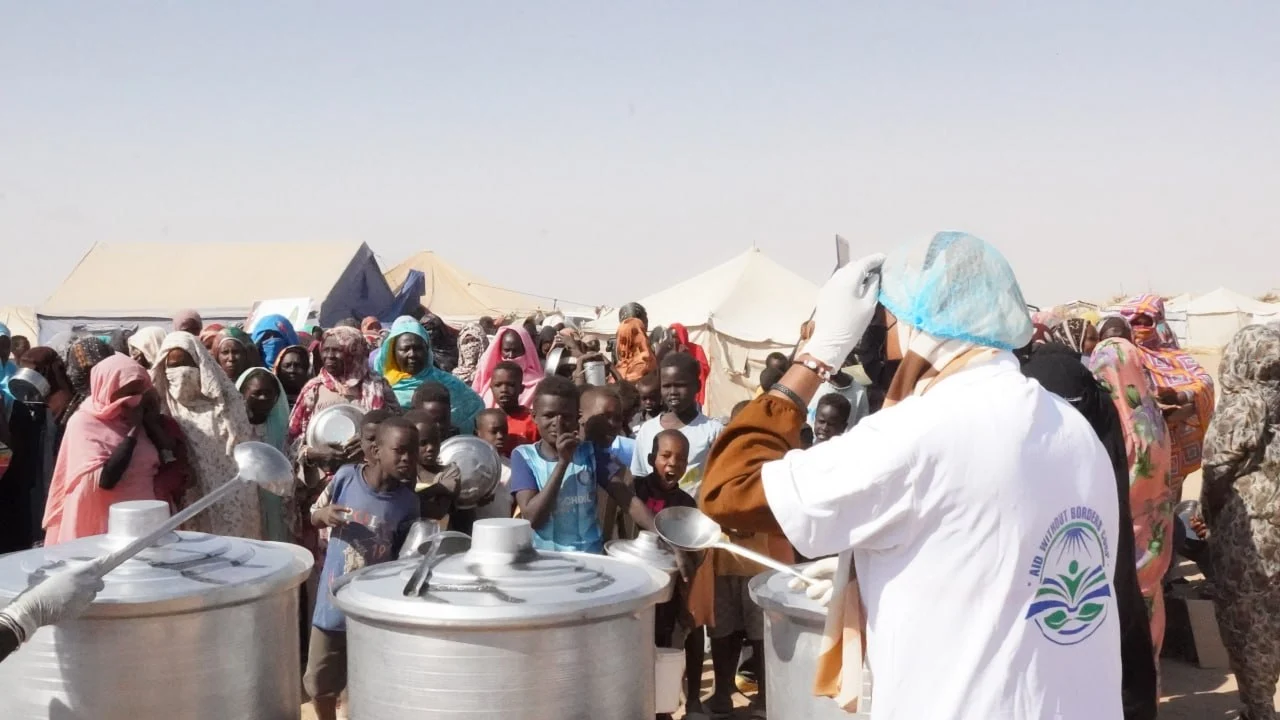
The humanitarian crisis in Sudan has created one of the largest displacement emergencies in the world. Millions of families have been forced to leave their homes, communities have been torn apart, and countless children have become separated from their parents or caregivers. While many people around the world want to help these vulnerable children, adoption is often the first solution that comes to mind. However, during an active conflict, adoption is rarely the safest or most effective way to support children in need.
The good news is that there are many meaningful ways to protect and support orphans without adopting. From orphan sponsorship and education support to child protection services and food security programs, individuals can make a lasting difference while helping children remain connected to their families, communities, and culture. Understanding how these approaches work is essential for anyone who wants to provide responsible and impactful support.
Understanding the Reality of Orphans in Humanitarian Crises
When people hear the word “orphan,” they often imagine a child who has permanently lost both parents and has no family support. In reality, many children affected by conflict and displacement have surviving relatives who are desperately searching for them. According to guidance from the Hague Conference on Private International Law, determining a child’s legal status during an active emergency is often impossible because records are lost, families are displaced, and communication systems collapse.
This situation is particularly visible in Sudan. According to reports from UNICEF, millions of children have been affected by violence, displacement, and family separation. Many children classified as unaccompanied or separated may still have parents, grandparents, siblings, or extended family members who are alive but unable to locate them.
Because of these realities, humanitarian organizations prioritize family tracing, reunification, and community-based care rather than international adoption. This approach protects children from further trauma while preserving their identity and family connections.
Why Adoption Is Not the Immediate Solution
During a humanitarian emergency, international adoption processes are often suspended or heavily restricted. This is not because people do not care about vulnerable children. Rather, it is because child protection experts recognize the significant risks that arise when families are separated during conflict.
The principle guiding humanitarian responses is always the best interest of the child. Before any permanent legal decision can be made, organizations must determine whether surviving relatives exist and whether reunification is possible. Removing a child from their country before this process is completed can create irreversible consequences.
In addition, conflict zones often experience increased risks of trafficking, exploitation, and illegal child transfers. The international community has developed strict safeguards to ensure that vulnerable children are protected from individuals or groups seeking to take advantage of chaotic situations.
Instead of focusing on adoption, humanitarian experts encourage supporters to invest in programs that address children’s immediate needs while preserving their future options.
The Importance of Family Connections
Research consistently shows that children thrive best when they remain connected to family environments whenever possible. Even when parents are absent, grandparents, aunts, uncles, neighbors, and trusted community members often step forward to provide care.
Supporting these caregivers allows children to maintain familiar relationships, language, traditions, and social networks. This continuity plays a crucial role in emotional recovery and long-term well-being.
For this reason, many humanitarian organizations focus on strengthening family-based care systems rather than creating pathways for international adoption during crises.
Supporting Orphans Through Orphan Sponsorship
One of the most effective alternatives to adoption is orphan sponsorship. This model allows donors to contribute toward a child’s essential needs while enabling them to remain within their community.
Through well-managed orphan support programs, sponsorship funds help cover food, education, healthcare, clothing, and psychosocial support. Rather than removing children from their environment, sponsorship strengthens the support systems around them.
Organizations such as the AMEL Foundation’s Orphans Program work to ensure that vulnerable children receive consistent assistance while maintaining dignity and stability. This approach supports both the child and the wider community caring for them.
Orphan sponsorship also creates a sustainable pathway for long-term support. Children benefit from regular assistance, while donors can contribute to meaningful change without the legal and ethical complexities associated with adoption.
The Power of Community-Based Care
Humanitarian experts increasingly recognize community-based care as one of the most effective child welfare strategies during emergencies. Rather than placing children in institutions, this model focuses on supporting families and local caregivers.
Community-based care helps reduce the trauma associated with separation and displacement. Children remain surrounded by familiar faces and cultural traditions, which can significantly improve their sense of security and belonging.
Studies discussed by child protection specialists have highlighted concerns about overreliance on institutional care. Large residential facilities may struggle to provide the personalized attention children need to thrive emotionally and psychologically. By contrast, family-centered environments often produce better long-term outcomes.
Supporting Kinship Caregivers
Many displaced children are cared for by relatives who have already lost homes, income, and access to basic services. These families frequently take on additional responsibilities despite facing severe hardship themselves.
Targeted financial assistance allows caregivers to provide shelter, food, healthcare, and emotional support without being overwhelmed by economic pressures. This approach protects children while strengthening community resilience.
When donors support family-based care initiatives, they help create safer and more stable environments for children affected by crisis.
How Humanitarian Organizations Protect Unaccompanied Children
Protecting children during emergencies requires far more than meeting physical needs. Humanitarian aid organizations operate specialized child protection programs designed to safeguard vulnerable children from exploitation, abuse, and neglect.
Many agencies establish safe spaces where children can access psychosocial support, education activities, and emergency services. These spaces help restore a sense of normalcy while reducing exposure to dangerous situations.
At border crossings and displacement camps, humanitarian teams also conduct family tracing and reunification efforts. These programs work closely with local communities to identify relatives and reconnect separated children whenever possible.
Addressing Immediate Protection Risks
Children separated from their families face heightened risks in conflict settings. They may become vulnerable to exploitation, child labor, recruitment by armed groups, trafficking, or gender-based violence.
According to information from the UN Refugee Agency (UNHCR), child protection interventions are among the most critical services provided during displacement emergencies. These interventions help identify at-risk children and connect them with appropriate support services.
Protecting children requires continuous monitoring, trained professionals, and strong community involvement. Without these safeguards, vulnerable children can easily fall through the cracks.
Meeting Basic Needs Through Sustainable Giving
Many people wonder how they can make a meaningful impact from thousands of miles away. One of the most effective answers is sustainable giving.
Rather than providing one-time donations, sustainable giving supports ongoing programs that address long-term needs. This approach allows organizations to plan effectively and maintain essential services even as crises continue.
Programs focused on food security, healthcare, water access, and education support provide children with the foundations needed for survival and recovery. Consistent funding helps ensure that these services remain available throughout prolonged emergencies.
The AMEL Foundation’s Food Security initiatives and Healthcare programs are examples of how targeted assistance can strengthen vulnerable communities while protecting children from the secondary impacts of crisis.
The Challenges Humanitarian Organizations Face
Delivering assistance in active conflict zones is rarely straightforward. Aid organizations must navigate insecurity, damaged infrastructure, bureaucratic restrictions, and funding shortages.
In Sudan, humanitarian actors continue to face significant obstacles reaching affected populations. Reports from the United Nations Office for the Coordination of Humanitarian Affairs (OCHA) highlight ongoing challenges related to humanitarian access, displacement, and protection concerns.
At the same time, attacks on healthcare systems, water infrastructure, and public services create additional risks for children. Disease outbreaks, malnutrition, and limited access to medical care can rapidly worsen already difficult conditions.
Funding shortages further complicate response efforts. Humanitarian needs continue to grow, yet global appeals often remain significantly underfunded. This reality makes donor support more important than ever.
Why Awareness Matters
Many humanitarian crises receive limited media attention despite affecting millions of people. As public awareness declines, funding often decreases as well.
Raising awareness helps ensure that vulnerable children are not forgotten. Sharing accurate information, supporting credible organizations, and encouraging others to engage with humanitarian issues can contribute to meaningful change.
Advocacy plays an important role alongside financial support. Together, these efforts help sustain the resources needed to protect children during prolonged emergencies.
Supporting Orphans the Right Way
For those asking how to support orphans without adopting, the answer lies in strengthening the systems that protect children where they are. Effective support focuses on preserving family connections, funding community-based care, expanding child welfare services, and ensuring access to humanitarian aid.
The most impactful interventions are often the least visible. A caregiver receiving financial assistance, a child reunited with relatives, a family gaining access to food security, or a community creating safe spaces for vulnerable children may not make headlines, but these actions change lives.
The Sudan crisis has demonstrated both the scale of human suffering and the remarkable resilience of affected communities. Across displacement camps, host communities, and refugee settlements, families continue to care for children despite immense challenges.
Supporting these efforts is one of the most powerful ways individuals can help. Through orphan sponsorship, child protection initiatives, education support, emergency relief programs, and sustainable giving, donors can contribute to solutions that respect children’s rights, preserve their dignity, and create opportunities for a safer future.
Children affected by conflict do not simply need rescue. They need protection, stability, and hope. By supporting responsible humanitarian programs, individuals can help provide exactly that while ensuring that vulnerable children remain connected to the people and communities that matter most.

Comments are closed