
When a child is diagnosed with cancer, many people want to help but do not know what will make a real difference. Kind messages and expressions of sympathy matter, but families often need practical, financial, medical, and emotional support over many months or even years.
Supporting a child with cancer means looking beyond the illness itself. Treatment can affect the child’s body, education, confidence, friendships, and daily routine. Parents may also face lost income, transport costs, long hospital stays, and the pressure of caring for other children at home.
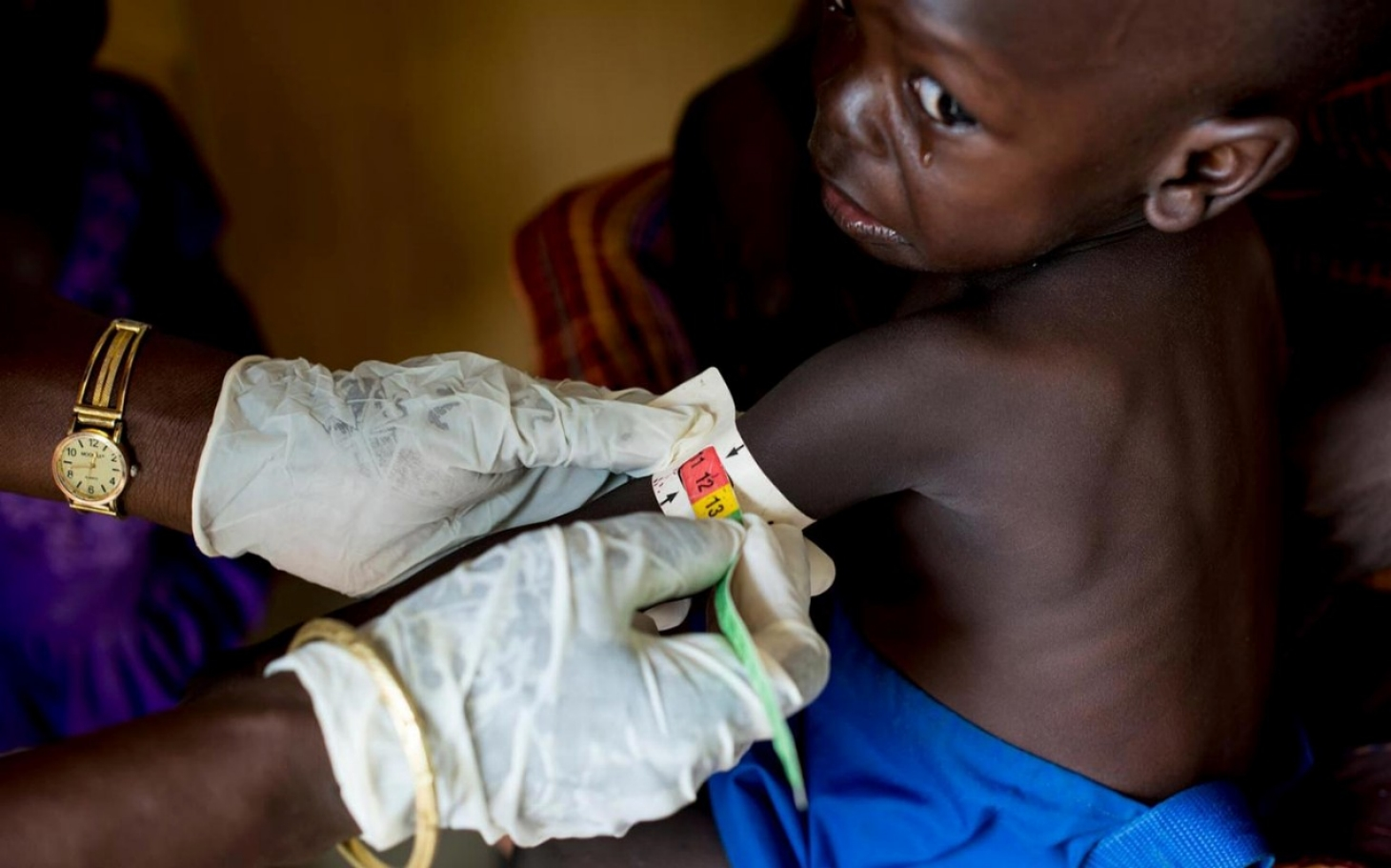
In Sudan, the need is especially urgent. Conflict has damaged hospitals, displaced families, interrupted medicine supplies, and reduced access to basic services. A UNICEF report on Sudan’s humanitarian crisis states that 33.7 million people require urgent assistance, including 17.3 million children. Helping a Sudanese child with cancer may therefore require support for treatment, food, water, transport, and safe shelter at the same time.
Begin by Understanding What the Child Needs
Every child’s cancer experience is different. The type of cancer, treatment plan, age, family circumstances, and location will shape what support is most useful. Some children need help travelling to appointments, while others need nutritious food, medicine, educational support, or simply a trusted person who will listen.
Support should begin with the family’s actual priorities rather than assumptions. A well-intentioned gift may be less useful than transport money, childcare for siblings, or help completing hospital paperwork. Caregivers should be asked respectfully what would reduce their immediate pressure.
The child’s medical team should guide all health-related decisions. Supporters should never recommend unproven treatments, change a child’s diet without medical advice, or encourage a family to stop prescribed care.
Support Pediatric Cancer Care
Pediatric cancer care is a complete medical process. It may involve laboratory tests, surgery, chemotherapy, radiotherapy, antibiotics, blood transfusions, pain relief, nutritional care, and long-term monitoring.
The World Health Organization’s childhood cancer guidance explains that more than 80% of children with cancer are cured in high-income countries. In many lower-income countries, fewer than 30% are cured because diagnosis and treatment are often delayed, unavailable, or interrupted.
Supporting healthcare systems is therefore one of the strongest ways to help. Contributions can help fund medicines, diagnostic services, medical supplies, trained workers, safe treatment spaces, and referrals for children who need specialist care.
Choose Trusted and Accountable Organisations
Childhood cancer donations should be given through trusted organisations with clear programmes and transparent financial systems. Donors should look for evidence that the organisation understands local health conditions, works with qualified professionals, and explains how funds are used.
In conflict-affected areas, local knowledge is essential. Local organisations may understand which hospitals are functioning, which roads are accessible, and which families face the greatest barriers. International organisations may offer larger supply networks and technical resources.
Supporting the AMEL Foundation’s healthcare programmes in Sudan can contribute to wider medical assistance for vulnerable communities. This type of humanitarian support strengthens the environment in which seriously ill children and their families seek care.
Provide Financial Help for Cancer Families
Cancer creates many costs beyond the treatment itself. Families may need to pay for transport, laboratory tests, medicine, temporary accommodation, food, communication, and repeated hospital visits.
A parent may stop working to stay with the child. Another caregiver may travel between the hospital and home to care for siblings. Even when medical treatment is subsidised, these connected expenses can become impossible to manage.
Financial help for cancer families can protect treatment continuity. A contribution towards transport may help a child attend chemotherapy on time. Support for accommodation may allow a family to remain close to the hospital instead of making a dangerous journey after every appointment.
Make Financial Support Flexible
Restricted donations are useful when a particular medical expense has been confirmed, but flexible support can sometimes help families respond to changing needs. A child may suddenly require antibiotics, a blood test, extra food, or emergency transport.
Whenever possible, support should be provided through a documented and respectful process. Families should not have to publish private medical information or repeatedly describe their suffering to receive help.
Supporters can also contribute to wider humanitarian programmes. AMEL Foundation’s donation initiatives address connected needs affecting Sudanese families, including healthcare, food, water, and emergency assistance.
Reduce the Hidden Costs of Treatment
The financial burden may include expenses that outsiders do not immediately see. Phone credit may be needed to contact doctors. A caregiver may require meals during a long hospital stay. Siblings may need school supplies or childcare while a parent remains with the patient.
Practical financial support can therefore keep the whole household stable. When the family has food, transport, and a safe place to stay, the caregiver can focus more fully on the child’s treatment and recovery.
Offer Practical Help for Caregivers
Practical help for caregivers is often more valuable than general offers such as “ask if anything is needed.” Exhausted parents may not have the time or energy to identify and assign tasks.
Specific help is easier to accept. A trusted person might prepare meals, take siblings to school, collect prescriptions, organise transport, complete forms, or accompany the family to an appointment.
The National Cancer Institute’s guide for families recommends clear, honest communication and practical preparation throughout a child’s treatment. Families benefit when support allows the child to maintain as normal a life as possible.
Help Without Taking Control
Caregivers should remain in control of decisions concerning their child. Supporters can provide information, time, or resources, but they should not pressure parents into accepting unwanted help.
Respect also means protecting privacy. The child’s diagnosis, photographs, and medical updates should never be shared publicly without clear permission from the parent or legal guardian. Older children should also have a voice in how their story is told.
Consistent support matters more than one large gesture. Families may receive attention immediately after diagnosis, but the need often continues long after public concern has faded.
Remember the Child’s Brothers and Sisters
Siblings can feel frightened, overlooked, or guilty when family life becomes centred on cancer. They may also lose time with their parents or take on responsibilities beyond their age.
Trusted relatives and friends can provide attention, reassurance, transport, meals, and help with schoolwork. Supporting siblings reduces pressure on caregivers and protects the emotional stability of the household.
Family support during cancer treatment should include everyone affected by the diagnosis. A strong family environment can help the child feel safer during an uncertain period.
Give Emotional Support to the Child
Emotional support for children begins with listening. A child may be afraid of pain, needles, hair loss, missing school, or dying. Adults sometimes avoid these subjects because they want to protect the child, but silence can increase fear.
Children need honest explanations suited to their age. They should be able to ask questions and express sadness, anger, or worry without being corrected or told to remain positive.
Supporters do not need perfect words. Calm presence, regular contact, and genuine attention can be deeply valuable. The aim is not to remove every difficult feeling but to help the child experience those feelings without being alone.
Preserve Normal Childhood Experiences
A child with cancer is still a child. Play, learning, creativity, friendships, and celebrations remain important during treatment.
Helping children through chemotherapy may include sending books, arranging safe online contact with classmates, providing art materials, or supporting activities approved by the medical team. Small choices can also restore control, such as allowing the child to select a game, meal, or hospital activity.
These experiences protect identity. They remind the child that life contains more than medicine, tests, and hospital rooms.
Avoid Forced Positivity
Children should not feel responsible for protecting adults from sadness. Statements that demand constant bravery may make them hide pain or fear.
A more supportive approach recognises that courage can include crying, asking for help, or admitting that treatment is difficult. Adults can offer hope without denying reality.
Professional counselling may be needed when a child shows continuing anxiety, withdrawal, sleep problems, or distress. Emotional care should be treated as part of pediatric cancer care rather than an optional extra.
Support Safe Nutrition and Clean Water
Cancer and its treatment can reduce appetite, change taste, cause vomiting, or make swallowing painful. Children may need soft meals, extra protein, small portions, or specialised nutritional support.
Food should match the medical team’s advice. Supporters should not promote restrictive diets or claim that a particular food can cure cancer. Poor nutrition can weaken the child and make recovery more difficult.
In Sudan, food insecurity adds another layer of risk. AMEL Foundation’s food security programmes help families affected by hunger and displacement. Reliable food support can reduce pressure on households caring for seriously ill children.
Clean Water Protects Vulnerable Children
Chemotherapy can weaken the immune system, making infections more dangerous. Clean water is needed for drinking, preparing food, taking medicine, washing hands, and maintaining hygiene.
Sudan’s damaged infrastructure and displacement conditions make safe water difficult to secure in many communities. The WHO Health Emergency Appeal for Sudan reports that nearly 40% of health facilities are not functioning and that disease outbreaks continue to affect vulnerable populations.
Supporting AMEL Foundation’s clean-water programmes can help reduce exposure to waterborne disease. For a child with a weakened immune system, clean water is both a humanitarian necessity and a form of medical protection.
Consider Volunteering for Childhood Cancer Support
Volunteering for childhood cancer can take many forms. Qualified medical professionals may contribute through approved clinical or training programmes, while other volunteers can support administration, fundraising, translation, education, or family services.
Volunteers should work through established organisations rather than approaching children or hospitals independently. Cancer patients require privacy, infection protection, and careful safeguarding.
Remote volunteers may help with awareness materials, donor communication, research, or language support. People with legal, logistics, technology, or communications skills may also help organisations improve their work.
Donate Skills as Well as Time
Professional skills can be highly valuable. A translator can help families understand medical information. A teacher can support interrupted education. A designer can create clear awareness materials, while a logistics professional may help improve supply planning.
Skills-based volunteering should respond to a confirmed need. Organisations may not have the capacity to supervise every offer, so volunteers should respect their processes, timelines, and safety requirements.
Long-term reliability is often more useful than a brief burst of activity. A volunteer who consistently supports one needed task can reduce pressure on an already stretched humanitarian team.
Follow Medical and Safeguarding Rules
Volunteers should never provide medical advice unless they are licensed, qualified, and formally authorised to do so. They should also follow child-protection rules and avoid taking or sharing photographs without permission.
Good intentions do not replace professional standards. Responsible support protects the child’s safety, privacy, and dignity at every stage.
Raise Childhood Cancer Awareness Responsibly
Childhood cancer awareness can help people recognise the need for early diagnosis, complete treatment, and stronger health services. It can also attract donors and reduce harmful myths.
Awareness messages should be accurate and respectful. Children should not be presented only through suffering, and families should not feel pressured to expose private moments to receive support.
Campaigns should explain the problem and provide a clear action. Readers need to know whether they are being asked to donate, volunteer, advocate, or share reliable information.
Advocate for Children in Humanitarian Crises
Children with cancer are sometimes overlooked during emergency responses because trauma, hunger, and infectious disease appear more immediate. Yet childhood cancer treatment is also time-sensitive, and long interruptions can have severe consequences.
Supporters can ask governments, aid agencies, and donors to include childhood cancer within emergency health planning. Advocacy can call for medicine supplies, diagnostic services, safe referrals, pain relief, and cross-border treatment where local care is unavailable.
The goal should be practical change rather than attention alone. Awareness becomes meaningful when it improves access to care.
Donate Blood When It Is Safe and Needed
Some children receiving cancer treatment need red blood cell or platelet transfusions. Blood donation can therefore be an important form of support where safe, regulated donation services are available.
Eligibility rules differ by country and health system. Donors must use recognised blood banks and follow their screening procedures.
A person should never attempt to arrange informal blood collection. Safe testing, storage, matching, and administration are essential for protecting both the donor and the child.
Encourage Others to Register
Community blood drives can help hospitals maintain supplies, but they should be organised with authorised medical institutions. Awareness campaigns can explain eligibility and encourage suitable adults to register.
Regular donors may provide more reliable support than one-time campaigns. However, privacy should be protected, and no family should feel pressured to identify a child publicly to attract donors.
Turn Compassion Into Consistent Action
The answer to “How can I help a child with cancer?” begins with listening and continues through practical action. A supporter can contribute to medical care, reduce family expenses, protect nutrition and water access, offer emotional support, volunteer responsibly, or advocate for stronger services.
In Sudan, these forms of help are closely connected. Medicine cannot work safely without monitoring. Treatment may fail when a family has no transport. Recovery becomes harder when food and clean water are unavailable.
Sudanese families and medical workers continue to care for sick children under extraordinary pressure. Their commitment is powerful, but it should not be used as a reason for the international community to expect them to cope alone.
Every thoughtful contribution can reduce one part of a family’s burden. When support is reliable, respectful, and guided by real needs, it can help a child continue treatment, feel less isolated, and hold on to the possibility of recovery.

Comments are closed