
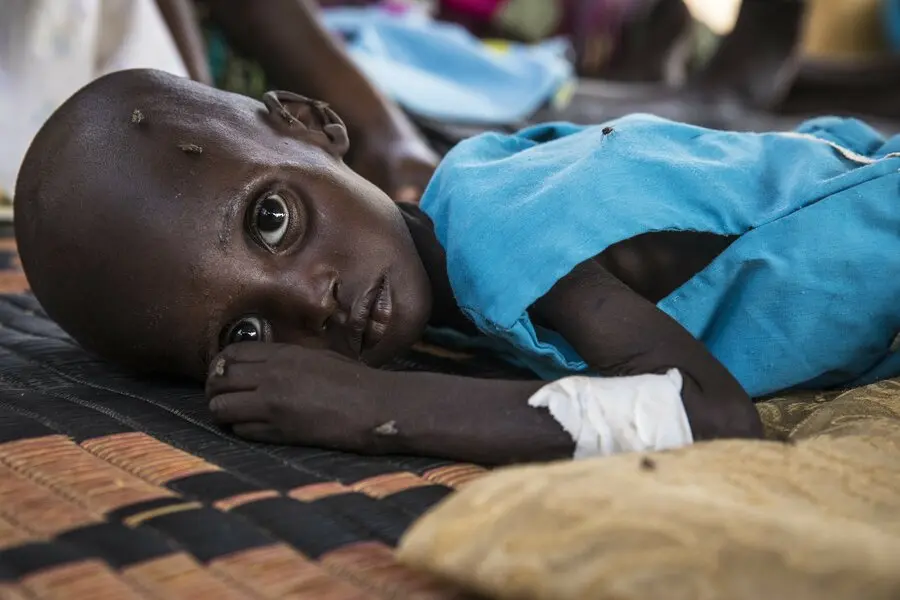
A childhood cancer donation can provide far more than one dose of medicine. It can help a child receive diagnostic tests, begin treatment, travel safely to a hospital, eat nutritious food, manage pain, and remain close to family during a frightening period.
The exact use of a donation depends on the organisation, programme, and child’s needs. Some funds are restricted to chemotherapy or hospital equipment, while others support the wider system that makes treatment possible. Transparent organisations should explain whether a donation is allocated to direct medical care, family assistance, or broader humanitarian services.
This distinction matters deeply in Sudan. Conflict has damaged hospitals, displaced families, interrupted supply routes, and weakened essential services. UNICEF reported that 33.7 million people, including 17.3 million children, required urgent humanitarian assistance in 2026. In such conditions, childhood cancer donations can become part of a much larger effort to keep treatment available and families stable.
A Donation Can Support the Full Cancer Care Journey
Cancer treatment does not begin with chemotherapy. A child first needs a correct diagnosis, a clear treatment plan, and tests that show whether the body is strong enough to receive care safely.
The World Health Organization’s childhood cancer guidance explains that more than 80% of children with cancer are cured in high-income countries. In many lower-income settings, fewer than 30% are cured because diagnosis may be delayed, treatment may be unavailable, and essential medicines may be difficult to obtain.
Pediatric cancer treatment funding therefore needs to cover an entire pathway. Providing medicine without diagnostic services, trained workers, infection management, and follow-up care may leave a child without the protection required to complete treatment.
Diagnostic Tests for Childhood Cancer
Diagnostic tests for childhood cancer may include blood tests, medical imaging, pathology examinations, bone marrow tests, or other specialist procedures. These tests help doctors identify the type of cancer and choose the correct treatment.
A donation may help pay for laboratory materials, imaging fees, pathology services, or the transport of samples to a specialist centre. It may also support equipment maintenance, electricity, or trained technicians who keep diagnostic services operating.
Early and accurate diagnosis can reduce dangerous delays. Without it, a child may receive treatment for another illness while the cancer continues to grow, or may be given a medicine that does not match the specific disease.
Tests Continue Throughout Treatment
Testing does not end after the first diagnosis. Children often need repeated blood tests to measure their response and check whether treatment is affecting the liver, kidneys, blood cells, or immune system.
These results help doctors decide whether a treatment cycle should continue, change, or pause. Funding laboratory services is therefore a direct part of protecting a child from avoidable complications.
In a damaged health system, basic tests can become difficult to access. A childhood cancer donation may help maintain the medical monitoring that makes powerful treatment safer.
Medicines and Pediatric Oncology Supplies
Cancer treatment may involve chemotherapy, surgery, radiotherapy, targeted medicines, or a combination of approaches. The correct plan depends on the disease, its stage, and the child’s condition.
Chemotherapy support for children may include the cancer medicines themselves as well as anti-nausea drugs, antibiotics, pain relief, intravenous fluids, and other supportive treatments. Blood products and sterile equipment may also be required.
Pediatric oncology supplies can include syringes, infusion equipment, protective clothing, dressings, testing materials, and safe containers for handling medical waste. These items may appear ordinary, but treatment cannot be delivered safely without them.
Safe Storage and Delivery Matter
Cancer medicines must be purchased from reliable sources and transported according to medical standards. Some products require controlled temperatures, while all medicines need protection from heat, contamination, theft, and damage.
Where electricity is unreliable, donations may support backup power, temperature-monitoring equipment, secure storage, or appropriate cooling systems when required. Funding may also cover safe transport between warehouses, pharmacies, and treatment centres.
A medicine that arrives damaged, expired, or stored incorrectly cannot offer the intended protection. Safe delivery is part of the treatment, not a separate administrative cost.
Donations Can Protect Children From Infection
Cancer and chemotherapy can weaken the immune system. During these periods, a common infection may become a medical emergency because the child’s body has fewer white blood cells available to fight it.
Safe pediatric cancer care requires clean treatment areas, handwashing facilities, disinfectants, antibiotics, and rapid medical attention when a child develops a fever. A donation may help provide these protective services.
This need is especially serious in Sudan, where the WHO Health Emergency Appeal reported that nearly 40% of health facilities were not functioning. Disease outbreaks and limited access to health products continue to place pressure on families and medical teams.
Clean Water and Hygiene Support
Clean water is necessary for drinking, preparing food, taking medicines, washing hands, and maintaining a safe treatment environment. It also helps prevent diarrhoeal and other waterborne diseases.
For a child with a weakened immune system, contaminated water can lead to severe illness and treatment interruption. Childhood cancer donations may therefore support water, sanitation, and hygiene services around hospitals, shelters, or family accommodation.
AMEL Foundation’s clean-water programmes in Sudan help communities gain access to safer water through projects including wells and solar-powered water stations. These programmes support public health in communities where seriously ill children may be living.
Infection Prevention Continues at Home
Children may spend part of their treatment outside the hospital. Their families need safe water, soap, clean food preparation areas, and clear information about signs of infection.
A donation can support hygiene kits, health education, thermometers, safe accommodation, or communication with medical teams. These practical resources may help a family respond before a manageable infection becomes critical.
Support is most effective when it protects the child both inside and outside the treatment centre.
Nutrition During Cancer Treatment
Nutrition during cancer treatment helps children maintain strength, recover between treatment cycles, and support normal growth. Yet cancer and its treatment can cause nausea, vomiting, mouth sores, changes in taste, and appetite loss.
The National Cancer Institute’s nutrition guidance explains that cancer treatment can change nutritional needs and make eating difficult. Unmanaged malnutrition can lead to weakness and the loss of muscle and body weight.
A donation may provide appropriate food, nutrition assessment, supplements, feeding support, or specialist care for children who cannot eat normally. The exact support should always follow advice from qualified medical professionals.
Helping Families Access Suitable Food
Families may need soft food for a child with mouth sores, protein-rich meals during recovery, or small portions that are easier to tolerate. These needs can be difficult to meet when a household has lost its income or has been displaced.
AMEL Foundation’s food security programmes provide assistance to displaced and vulnerable Sudanese families. While general food aid is not a substitute for specialised clinical nutrition, it can reduce hunger and help households caring for seriously ill children.
Reliable access to food can also prevent families from using money intended for transport or medicine to meet their daily nutritional needs.
Clinical Nutrition May Be Necessary
Some children require more than ordinary meals. Severe nausea, swallowing difficulties, or digestive complications may require specially prepared nutrition or hospital-based feeding support.
A donation may help fund nutritional formulas, feeding equipment, professional assessments, or intravenous support where it is medically indicated and safely provided.
Donors should be cautious of programmes that promise a particular food or supplement will cure cancer. Nutrition supports treatment and recovery, but it does not replace evidence-based cancer care.
Medical Transport Assistance Keeps Treatment Moving
Children often need several hospital visits over a long period. They may travel for chemotherapy, tests, surgery, emergency treatment, or follow-up appointments.
Medical transport assistance can cover fuel, public transport, ambulance services, or safe travel between cities. It may also help a caregiver accompany the child and remain nearby during treatment.
In Sudan, transport barriers are intensified by insecurity, damaged roads, fuel shortages, and displacement. A family may know where treatment is available but still be unable to reach it safely.
Accommodation Near Treatment Centres
Specialist cancer care is often concentrated in a small number of locations. Families living far away may need temporary accommodation near a hospital.
A donation can support a safe room, meals, hygiene supplies, and basic household needs. Staying close to the hospital can reduce missed appointments and help families respond quickly when a child develops a complication.
Accommodation also allows a parent to remain beside the child. This familiar presence can reduce fear and make long treatment periods more manageable.
Financial Aid for Cancer Families
Financial aid for cancer families may cover costs that are not immediately visible. These can include telephone credit to contact doctors, childcare for siblings, paperwork fees, food for caregivers, and lost household income.
The National Cancer Institute’s family guide recognises that families need practical support in addition to medical information throughout diagnosis, treatment, and recovery.
Flexible assistance can help families respond when needs change suddenly. However, organisations should use clear eligibility rules and provide support without forcing families to publicly display their suffering.
Donations Can Support Emotional and Family Care
Cancer can affect a child’s confidence, friendships, sleep, education, and sense of safety. Medical care alone may not address the fear and isolation created by long hospital stays.
Emotional support for young patients can include counselling, child-friendly activities, age-appropriate information, learning materials, and safe communication with friends or classmates.
These services help protect the child’s identity. A young patient should still be recognised as a child with interests, relationships, and hopes, rather than being defined only by illness.
Family Support During Cancer Care
Family support during cancer care is equally important. Parents may experience exhaustion, fear, grief, and financial pressure while also caring for other children.
Donations can help provide counselling, temporary accommodation, practical guidance, transport, meals, or childcare. Supporting caregivers can improve their ability to follow treatment instructions and respond to complications.
Brothers and sisters may also need honest explanations, educational help, and emotional attention. A cancer diagnosis affects the whole household, even when only one child is receiving treatment.
Education and Play Still Matter
Treatment may keep children away from school for long periods. Some may struggle with tiredness, concentration, or anxiety when they attempt to return.
A donation can fund books, learning support, digital access, art materials, or child-friendly hospital spaces. These resources provide continuity and help children remain connected to ordinary life.
Play and education are not unnecessary comforts. They support emotional health, development, and confidence during a difficult medical journey.
Donations Can Strengthen Health Workers and Facilities
A functioning pediatric cancer programme needs doctors, nurses, pharmacists, laboratory teams, technicians, and psychosocial workers. Each professional contributes to the child’s safety.
Funding may support training, essential equipment, communication tools, staff transport, or basic operational costs. In humanitarian settings, these expenses can determine whether a service remains open.
The collapse of major oncology services in Sudan has displaced patients and health workers and disrupted diagnosis, chemotherapy, radiotherapy, and palliative care. Khartoum Oncology Hospital and the National Cancer Institute in Wad Medani were among the central facilities affected by the conflict.
Healthcare Support Within a Wider Crisis
AMEL Foundation’s healthcare projects provide essential medicines and mobile health support to families in need. These broader health services can strengthen the medical environment surrounding vulnerable children and displaced households.
However, donors should not assume that every general healthcare donation is restricted to childhood cancer. A donor seeking a specific allocation should review the campaign description or ask the organisation how the funds will be used.
Honest communication protects both donors and families. It also allows organisations to respond to urgent needs without making claims that their programmes cannot support.
Follow-Up and Long-Term Recovery
Cancer care continues after active treatment ends. Children may need tests for recurrence, rehabilitation, educational help, emotional support, or monitoring for long-term treatment effects.
Funding follow-up systems, patient records, and referral services helps children receive appropriate care even when they move or change hospitals.
In conflict settings, families may lose paper records during displacement. Secure treatment summaries and coordinated medical information can prevent repeated tests and dangerous gaps in care.
How Donors Can Recognise Responsible Programmes
A responsible childhood cancer programme should explain its goals, location, beneficiaries, and method of delivering assistance. It should also report what was funded without exposing children’s private medical information.
Donors should look for qualified medical partnerships, child-protection procedures, financial transparency, and realistic descriptions of impact. Claims that a small fixed amount will always purchase an exact treatment should be treated carefully because medical prices and patient needs can change.
Clear reporting does not require every donation to be tied to one child. Shared funding can support equipment, laboratories, staff, or emergency reserves that benefit many patients.
Restricted and Flexible Donations
A restricted donation can be used only for a stated purpose, such as diagnostic testing or transport. This can give donors confidence that they are supporting a particular need.
Flexible funding allows an organisation to respond when a hospital suddenly runs out of medicine, a displaced family needs emergency accommodation, or transport routes change.
Both approaches can be valuable. The important issue is that the organisation explains the arrangement clearly and uses funds according to its stated commitments.
A Childhood Cancer Donation Provides a Chance to Continue
What does a childhood cancer donation provide? At its strongest, it provides continuity. It helps a child move from symptoms to diagnosis, from diagnosis to treatment, and from treatment towards recovery or compassionate relief.
It may fund medicine, but it may also provide the blood test needed before that medicine can be given. It may pay for transport, food, clean water, pain relief, a safe bed, or the presence of a trained nurse.
In Sudan, these connected needs have become harder to meet as conflict continues to damage healthcare and displace families. Childhood cancer donations cannot repair the entire system alone, but responsible funding can protect vital parts of the care pathway.
Every transparent and well-directed contribution can reduce a barrier between a child and treatment. It can ease pressure on a family, support a medical team, and give a vulnerable child a fairer chance to receive safe, dignified care.

Comments are closed