
Millions of children around the world are growing up without the protection, stability, and care of their parents. Some have lost family members because of war, disease, poverty, or displacement. Others have been separated during humanitarian emergencies and are now surviving in camps, shelters, or unfamiliar communities without long-term support.
As global crises continue to grow, many people are searching for the best charities for orphans to ensure their donations create real impact. Choosing the right organization matters because vulnerable children need more than temporary assistance. They need long-term protection, education, healthcare, emotional support, and safe environments where they can rebuild their lives.
The Sudan crisis has become one of the clearest examples of why strong humanitarian action is urgently needed. According to the United Nations Office for the Coordination of Humanitarian Affairs, millions of children in Sudan now require emergency humanitarian support after displacement, conflict, and the collapse of essential services. In situations like this, trusted humanitarian charities play a critical role in protecting orphaned and separated children from hunger, exploitation, and long-term trauma.
What Makes a Charity Effective for Supporting Orphans?
Not all humanitarian organizations operate in the same way. The most effective orphan support organizations combine emergency response with long-term child protection and recovery programs. They focus not only on food and shelter but also on emotional care, education, healthcare, and family support systems.
Strong charities also prioritize transparency and accountability. Donors want to know that their support reaches children directly and contributes to meaningful change. Organizations that maintain strong partnerships with local communities and international humanitarian networks are often better equipped to respond during emergencies.
The best charities understand that orphaned children need stable relationships and community care, not just temporary aid. This is especially important during conflicts where children may face repeated displacement and prolonged instability.
Why Long-Term Support Matters
Emergency aid saves lives immediately, but long-term support determines whether children can rebuild their futures. Orphaned children often carry deep emotional trauma that requires consistent care and safe environments over time.
Programs focused on education, mental health, healthcare, and child development create stronger long-term outcomes for vulnerable children. Humanitarian aid for orphans should therefore include both immediate protection and sustainable support systems that help children regain stability and independence.
Organizations working effectively in this area recognize that helping children recover from crisis takes years, not days. Consistent care is what allows children to heal emotionally and continue building healthy futures.
International Organizations Supporting Orphaned Children
Several internationally recognized organizations continue leading humanitarian responses for children affected by war, hunger, and displacement. These nonprofit organizations for children operate across multiple regions while providing specialized child protection services during emergencies.
According to the UNICEF Sudan response, millions of children in Sudan remain at risk because of displacement, food insecurity, and interrupted healthcare systems. Organizations working in these conditions often focus on emergency nutrition, education support, safe spaces for children, and family reunification efforts.
Many global child welfare programs also prioritize children who become separated from caregivers during conflict. This includes establishing child-friendly spaces, emergency shelters, and systems that help identify vulnerable children quickly.
UNICEF and Child Protection
UNICEF remains one of the world’s leading humanitarian organizations focused on children’s welfare. Its work includes emergency nutrition, education support, healthcare access, and child protection services in crisis zones around the world.
In Sudan and neighboring countries, UNICEF supports displaced children through vaccination campaigns, nutritional treatment, emergency classrooms, and psychosocial services. The organization also helps register and reunite children separated from families during conflict and displacement.
For many children living through humanitarian emergencies, these interventions provide both immediate survival support and long-term protection from exploitation and abuse.
Save the Children and Emergency Education
Save the Children is another major organization supporting orphaned and displaced children worldwide. The organization works heavily in areas affected by conflict and humanitarian emergencies, focusing on education, healthcare, and emergency relief.
Education becomes especially important during crises because schools often provide children with structure, emotional support, and safe environments. According to the UN Refugee Agency, millions of displaced children continue struggling to access education because of instability and displacement.
Organizations that prioritize educational continuity help protect children from exploitation and long-term poverty while supporting emotional recovery during difficult periods.
Why Local Organizations Are Essential
While international organizations provide large-scale humanitarian support, local charities and grassroots initiatives often have the deepest understanding of community needs. In many conflict zones, local volunteers remain the first people responding to displaced families and vulnerable children.
In Sudan, local humanitarian groups continue supporting orphaned children despite facing insecurity, shortages, and displacement themselves. Community-led responses help identify vulnerable children faster and ensure aid reaches neighborhoods that may be inaccessible to larger institutions.
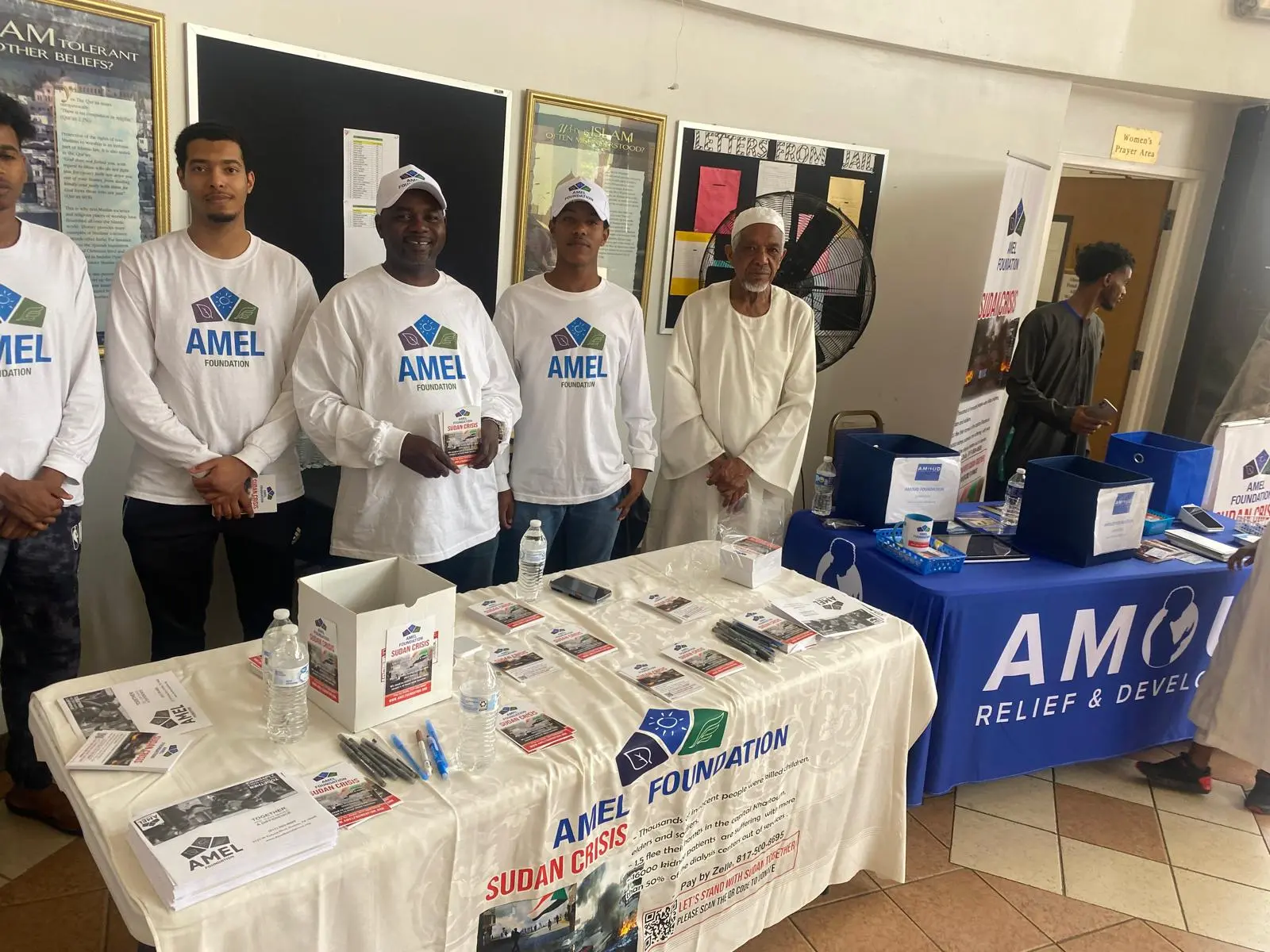
The AMEL Foundation Orphans Program reflects the importance of locally driven humanitarian work that focuses on dignity, long-term care, and practical support for vulnerable children and families.
Community Support Creates Stability
Children recover best when surrounded by caring communities and stable relationships. Community support for orphans helps children maintain emotional connections and regain a sense of belonging during crisis.
Local caregivers, teachers, volunteers, and healthcare workers all contribute to child protection systems that help children survive and recover. This form of collective care becomes especially important during displacement when traditional family structures are disrupted.
Grassroots humanitarian networks also tend to adapt quickly during emergencies. They often continue operating even when international access becomes difficult because they are already deeply connected to affected communities.
Healthcare and Nutrition Programs Save Lives
One of the most urgent needs for orphaned children during humanitarian emergencies is healthcare and nutrition support. Children living in camps or temporary shelters often face hunger, disease outbreaks, and limited access to medical treatment.
In Sudan, humanitarian agencies continue warning about rising malnutrition and healthcare collapse. According to the World Health Organization’s Sudan emergency updates, weakened healthcare systems and disease outbreaks are placing millions of children at risk.
Emergency relief charities working in these conditions often focus on nutritional treatment, vaccination campaigns, sanitation support, and medical care for displaced children. These interventions are critical for preventing preventable deaths among vulnerable populations.
Clean Water and Disease Prevention
Access to clean water remains another major humanitarian priority. Overcrowded displacement camps increase the spread of waterborne diseases, especially among children with weakened immune systems.
Organizations focused on water and sanitation help reduce disease outbreaks while improving overall community health. Supporting these programs directly contributes to child protection because healthier environments improve children’s survival and development outcomes.
The AMEL Foundation water initiatives and healthcare programs demonstrate how practical humanitarian support can directly improve the lives of vulnerable children and displaced families.
Child Sponsorship and Educational Support
Child sponsorship charities often provide one of the most consistent forms of long-term support for orphaned children. Sponsorship programs typically help children access education, healthcare, meals, clothing, and emotional care.
Education remains one of the strongest tools for long-term child empowerment. Children who continue learning despite crisis are more likely to rebuild stable futures and contribute positively to their communities later in life.
Unfortunately, millions of children affected by conflict remain out of school because of displacement and instability. Supporting educational access therefore becomes directly connected to protecting children from exploitation and poverty.
Supporting Children Beyond Emergencies
Helping children succeed long-term requires more than emergency relief alone. Children also need emotional support, mentorship, vocational training, and opportunities to develop skills that prepare them for adulthood.
Programs focused on training and development create pathways toward independence and stability for young people affected by humanitarian crises. Sustainable child support programs help break cycles of poverty and vulnerability over time.
The AMEL Foundation training and development initiatives reflect the importance of empowering communities and vulnerable individuals through education and practical opportunities for growth.
How Donors Can Choose Trusted Humanitarian Charities
People searching for the best charities for orphans often want reassurance that their support will create meaningful impact. One important step is researching organizations carefully and reviewing how they operate during emergencies.
Trusted humanitarian charities usually provide transparency regarding their programs, partnerships, and humanitarian priorities. Organizations with long-term experience in crisis zones are often better prepared to deliver support consistently during unstable conditions.
Donors should also look for charities that work closely with local communities rather than operating entirely from outside. Community partnerships help ensure aid remains culturally appropriate, sustainable, and responsive to real needs.
Why Awareness and Advocacy Matter
Financial donations are important, but raising awareness also plays a critical role in supporting vulnerable children. Many humanitarian crises receive limited international attention despite affecting millions of families and children.
Advocacy helps humanitarian organizations maintain visibility, attract funding, and pressure global institutions to improve humanitarian access during conflicts. Public awareness also helps protect children from becoming forgotten victims of prolonged crises.
Supporting orphaned children therefore includes speaking about the realities they face and encouraging broader humanitarian solidarity.
Conclusion
Choosing the best charities for orphans means looking for organizations that combine emergency relief with long-term child protection and community support. Orphaned children need much more than temporary assistance. They need safety, healthcare, education, emotional healing, and opportunities for stable futures.
Trusted humanitarian charities, local grassroots organizations, and global child welfare programs all play important roles in protecting vulnerable children worldwide. In places like Sudan, these efforts continue helping children survive despite conflict, displacement, and severe humanitarian challenges.
Every contribution matters when it comes to protecting children affected by crisis. Whether through donations, advocacy, sponsorship, or awareness, supporting orphaned children is an investment in dignity, resilience, and the future of entire communities.

Comments are closed