
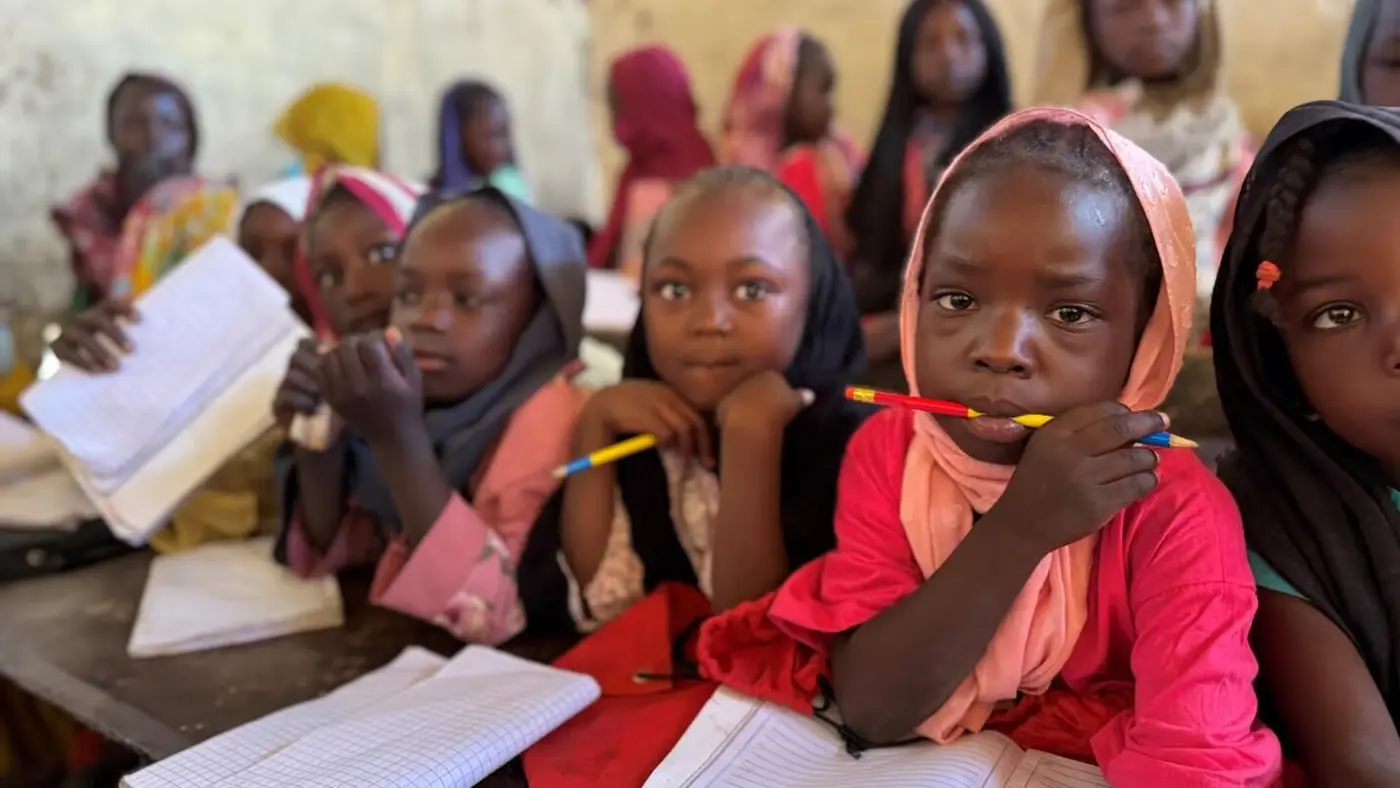
Across the world, millions of children are growing up without the protection and care of their parents. Some have lost family members because of war, hunger, disease, or natural disasters. Others have been separated during displacement or forced to survive in dangerous environments without stable support. In countries facing humanitarian emergencies such as Sudan, the number of orphaned and vulnerable children continues to rise every day.
Many people ask the same urgent question: how to help orphans in ways that truly make a difference. The answer goes far beyond temporary charity. Supporting orphaned children means helping them survive today while also protecting their future through education, healthcare, emotional support, and safe living conditions.
The ongoing Sudan crisis has shown how quickly children can lose everything during conflict. According to the United Nations Office for the Coordination of Humanitarian Affairs, millions of people remain displaced while humanitarian systems struggle to meet growing needs. Orphaned children are among the most vulnerable groups affected by this emergency.
Why Orphaned Children Need Urgent Support
Children who lose parental care face far more than emotional grief. Without stable caregivers, many children become exposed to hunger, exploitation, trafficking, child labor, and violence. In conflict zones, orphaned children may also lose access to education, healthcare, and emotional support systems that help them recover from trauma.
The global humanitarian community continues warning that vulnerable children require urgent protection and long-term assistance. Humanitarian aid for children is essential not only for survival but also for helping children rebuild their lives after crisis.
In Sudan, millions of children have been displaced by violence and instability. According to UNICEF Sudan, children are facing severe risks linked to malnutrition, disease outbreaks, interrupted education, and psychological trauma. Supporting orphaned children in these conditions requires coordinated humanitarian action and community solidarity.
The Emotional Impact of Losing Family
The emotional pain experienced by orphaned children is often invisible to the outside world. Many children witness violence, displacement, or the deaths of loved ones before being forced into unfamiliar environments. Some children become withdrawn and fearful, while others struggle with anxiety, grief, or trauma-related stress.
Without emotional care, these experiences can shape a child’s entire future. This is why orphan care initiatives increasingly include psychosocial support alongside food and shelter. Safe relationships, routines, and supportive caregivers help children regain trust and emotional stability during difficult periods.
Helping children emotionally is just as important as meeting physical needs. Long-term healing depends on children feeling protected, valued, and connected to supportive communities.
Donating to Trusted Humanitarian Organizations
One of the most direct ways to help orphaned children is by supporting trusted humanitarian organizations working on the ground. Reliable organizations provide emergency food assistance, healthcare, clean water, shelter, education, and child protection services for vulnerable children.
When people choose to donate to orphaned children through verified humanitarian programs, they help fund practical interventions that save lives immediately. Donations can support nutrition programs, emergency medical care, safe learning spaces, and temporary shelters for children affected by crisis.
The AMEL Foundation humanitarian programs focus on delivering meaningful support to vulnerable communities while prioritizing dignity and long-term recovery. Supporting local and community-based organizations also helps ensure aid reaches children directly and efficiently.
Why Local Organizations Matter
Local humanitarian groups often understand community needs more deeply than outside institutions. In places like Sudan, local volunteers and grassroots networks continue supporting children even while facing insecurity and displacement themselves.
These organizations know which families are struggling, which children have become separated, and where urgent gaps exist. Community support for orphans becomes stronger when local initiatives receive sustainable funding and international backing.
At the same time, local humanitarian workers often operate in dangerous conditions with limited resources. Supporting their work strengthens long-term child protection systems and helps communities respond more effectively during emergencies.
Education Changes the Future of Orphaned Children
Education for orphans remains one of the most powerful forms of long-term support. School provides children with structure, emotional stability, and opportunities for future independence. For many orphaned children, classrooms also become safe spaces where they can reconnect with routines and supportive adults after trauma.
Unfortunately, millions of children living through conflict and displacement struggle to access regular education. Schools may be damaged, overcrowded, or completely inaccessible during humanitarian crises. In Sudan, educational disruptions continue affecting millions of displaced children.
According to the UN Refugee Agency, displacement and instability have severely limited educational access across refugee-hosting regions. Supporting education therefore becomes directly connected to protecting children from exploitation and long-term poverty.
Child Sponsorship Programs and Educational Support
Child sponsorship programs often help orphaned children continue their education while also supporting daily living needs. Sponsorship can provide school supplies, uniforms, transportation, meals, healthcare, and emotional support services that children would otherwise struggle to access.
Educational support also helps children regain confidence and develop long-term goals. When children continue learning despite crisis, they are more likely to rebuild stable futures and contribute positively to their communities later in life.
The AMEL Foundation training and development programs reflect the importance of empowering vulnerable individuals through education and skills development that support long-term recovery and independence.
Emergency Relief Saves Lives Immediately
While long-term support is essential, emergency relief for children often determines whether children survive the immediate effects of crisis. During wars, displacement, or natural disasters, children urgently need food, water, shelter, medicine, and protection.
In Sudan, families and children continue facing severe hunger and healthcare shortages. According to the World Health Organization emergency reports, collapsing medical systems and disease outbreaks are placing vulnerable populations at enormous risk.
Emergency humanitarian responses help stabilize children during these dangerous periods. Food assistance, nutritional treatment, vaccination campaigns, and temporary shelters all become critical forms of protection for orphaned children who may have no caregivers advocating for them.
The Importance of Clean Water and Healthcare
Children living in overcrowded camps or temporary shelters face increased risks of disease and malnutrition. Access to clean water and healthcare therefore becomes essential for survival. Waterborne illnesses, poor sanitation, and untreated infections can quickly become life-threatening for children with weakened immune systems.
Supporting healthcare and water initiatives helps protect orphaned children from preventable illness and suffering. Programs focused on sanitation, nutrition, and medical care reduce mortality while improving long-term wellbeing for displaced communities.
The AMEL Foundation healthcare initiatives and water support programs demonstrate how practical humanitarian assistance can directly improve the lives of vulnerable families and children.
Raising Awareness Is Also a Form of Support
Many humanitarian crises remain severely underreported despite affecting millions of children. Sudan’s crisis, for example, continues to receive far less global attention than other international emergencies even though millions remain displaced and dependent on aid.
Raising awareness helps humanitarian organizations secure funding, attract volunteers, and maintain international attention on vulnerable communities. Sharing accurate information and amplifying local voices helps prevent orphaned children from becoming invisible to the world.
Advocacy also matters politically. Humanitarian access, ceasefires, and international aid decisions are often influenced by public awareness and pressure. Supporting orphaned children therefore includes speaking about the realities they face and encouraging others to act.
Digital Volunteering and Professional Support
People can also support children by contributing skills remotely. Educators, psychologists, translators, medical professionals, and humanitarian specialists often assist organizations through training, mentorship, and virtual volunteering.
Digital support can help strengthen orphan support programs and improve services for vulnerable children worldwide. Even small contributions of time or expertise can help organizations operate more effectively during emergencies.
This form of solidarity reminds children and caregivers that they are not forgotten, even during large-scale crises that feel overwhelming and isolating.
Building Strong Communities Around Children
Children recover best when surrounded by safe and supportive communities. While direct aid remains essential, long-term recovery also depends on strengthening families, schools, healthcare systems, and local support networks.
Community support for orphans helps reduce isolation and creates environments where children can grow safely despite difficult circumstances. Neighbors, teachers, volunteers, religious leaders, and caregivers all play important roles in protecting children during humanitarian emergencies.
In Sudan, displaced families and local volunteers continue opening homes, shelters, and shared spaces to orphaned children despite facing hardship themselves. This resilience reflects the deep importance of community solidarity during crisis.
Sustainable Support Creates Long-Term Change
Helping orphaned children should never focus only on short-term survival. Sustainable support means creating opportunities for education, healthcare, emotional healing, and future independence.
Children who receive stable support are more likely to complete their education, develop healthy relationships, and contribute positively to society as adults. Investing in children today helps prevent future cycles of poverty, instability, and violence.
Long-term humanitarian work therefore requires patience, consistency, and commitment from both local communities and the international community.
Conclusion
Understanding how to help orphans begins with recognizing that children need more than sympathy. They need protection, stability, education, healthcare, emotional care, and communities willing to stand beside them during crisis.
Orphan support programs, child sponsorship initiatives, humanitarian aid for children, and emergency relief efforts all play essential roles in protecting vulnerable children worldwide. In places like Sudan, these forms of support can mean the difference between survival and unimaginable suffering.
Every person has the ability to contribute in some way, whether through donations, volunteering, advocacy, or raising awareness. Helping orphaned children is not only about responding to emergencies. It is about protecting human dignity and creating hope for children who deserve safety, care, and the opportunity to build a future beyond crisis.

Comments are closed