
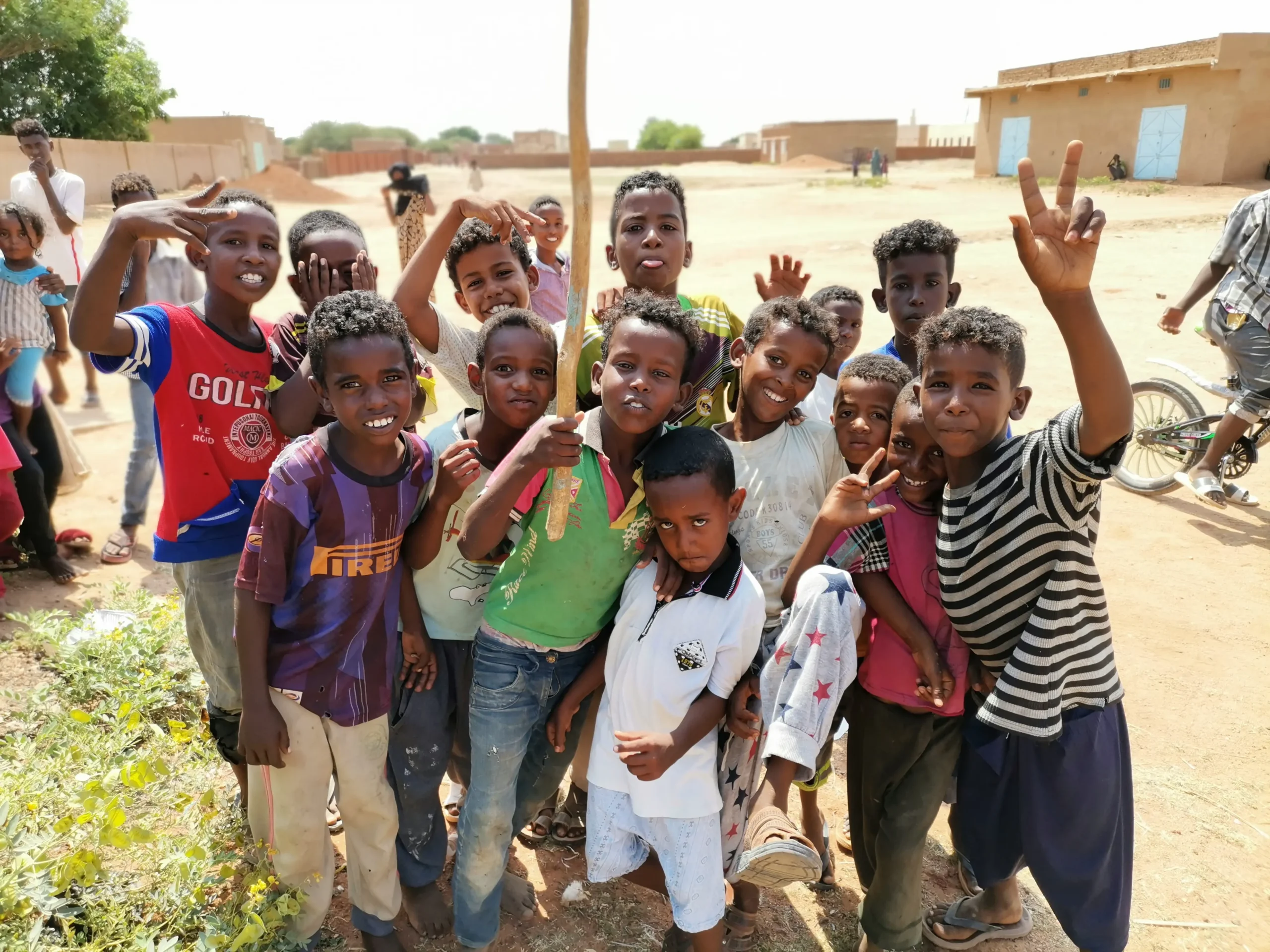
The question “How many orphans are there in the world?” seems simple at first, but the answer reveals one of the deepest humanitarian challenges facing humanity today. According to global estimates from organizations such as UNICEF, there are between 140 and 153 million orphaned children worldwide. These children live across every continent, but the highest numbers are often found in regions affected by war, poverty, disease, displacement, and social instability.
Behind every statistic is a child experiencing loss, uncertainty, and vulnerability. Some children have lost one parent, while others have lost both. Many are living without stable caregivers or access to education, healthcare, or emotional support. In conflict zones such as Sudan, the number of children without parental care continues to rise rapidly as violence tears families apart.
The global orphan crisis is not only about numbers. It is about the long-term impact on children’s lives, mental health, safety, and future opportunities. Understanding orphan statistics worldwide helps humanitarian organizations, governments, and communities respond more effectively to the urgent needs of vulnerable children worldwide.
What Does the Word “Orphan” Really Mean?
Many people assume an orphan is only a child who has lost both parents. In reality, humanitarian organizations use a broader definition. A child may be considered orphaned after losing one parent or both, depending on the context of the data being collected.
Globally, most orphaned children are single orphans, meaning they have lost either their mother or father. A smaller percentage are double orphans who have lost both parents entirely. There are also children living in situations where parents are absent due to war, displacement, imprisonment, or abandonment, leaving them effectively without parental care even if parents are technically alive.
These distinctions matter because they affect the type of support children need. Some children require emergency foster care or shelter, while others need economic support to remain safely with surviving relatives. Humanitarian support for orphans must therefore be flexible and centered around each child’s circumstances.
Why Accurate Numbers Are Difficult to Measure
Collecting accurate global data is extremely difficult, especially during humanitarian emergencies. In stable countries, child welfare systems can often track orphaned children through schools, healthcare systems, or government services. In conflict zones, however, records collapse quickly.
In places affected by war such as Sudan, children are frequently displaced without documentation or become separated from families during violent attacks. Humanitarian agencies continue to warn that many orphaned children remain completely uncounted because they are living in informal settlements, conflict areas, or overcrowded camps.
According to the United Nations Office for the Coordination of Humanitarian Affairs, Sudan’s humanitarian crisis has displaced millions of people and severely disrupted public systems that would normally help identify vulnerable children. This means official orphan figures are often lower than the true reality.
Why Conflict Creates More Orphans
War remains one of the biggest causes of orphanhood worldwide. Armed conflict destroys families through violence, hunger, disease, and displacement. Children may lose parents directly during attacks or indirectly through the collapse of healthcare and food systems.
The Sudan crisis offers one of the clearest examples of how quickly orphan numbers can rise during war. Families fleeing violence are often separated during chaotic evacuations, while many children witness the deaths of caregivers during attacks on homes or communities.
The UNICEF Sudan emergency response continues to describe Sudan as one of the world’s largest child displacement crises. Millions of children now require urgent assistance, including food, healthcare, shelter, and protection from exploitation.
The Long-Term Effects of Family Separation
The impact of losing parents extends far beyond immediate survival. Orphaned children often experience severe emotional trauma, interrupted education, and increased exposure to exploitation. Without stable caregivers, children become more vulnerable to trafficking, child labor, forced recruitment, and early marriage.
Children who lose parental care also face emotional isolation. Many struggle with grief, anxiety, fear, and uncertainty about the future. Without strong support systems, these emotional wounds can affect development for years.
This is why global child protection systems must focus not only on emergency survival but also on long-term emotional and social recovery. Children need stable relationships, safe environments, and opportunities to continue learning and growing despite crisis.
Poverty and Disease Also Contribute to Orphanhood
Although war receives significant attention, poverty and disease remain major causes of orphanhood around the world. In many low-income regions, families face limited healthcare access, poor sanitation, malnutrition, and preventable diseases that continue affecting parents and caregivers.
Public health emergencies such as HIV/AIDS, cholera outbreaks, and severe malnutrition have contributed to rising numbers of orphaned children over the years. In countries where healthcare systems are weak, children may lose parents due to conditions that could otherwise be treated or prevented.
According to the World Health Organization’s emergency health updates, humanitarian crises often create overlapping risks involving hunger, disease, displacement, and healthcare collapse. These conditions place already vulnerable families under even greater pressure.
The Hidden Crisis of Social Orphans
Some children are classified as “social orphans,” meaning they have living parents but cannot safely remain with them due to poverty, displacement, abuse, or family breakdown. These children may end up in institutional care, temporary shelters, or informal caregiving arrangements.
Social orphanhood highlights the importance of economic and community support systems. Many families want to care for their children but simply lack resources, stable housing, or safety during emergencies. Supporting families directly can often prevent unnecessary separation and reduce long-term harm to children.
Organizations focused on orphaned children care increasingly emphasize family strengthening and community support rather than relying entirely on institutions. Children generally recover better when they remain connected to supportive family environments whenever possible.
Why Education Matters for Orphaned Children
Education and care for orphans remain deeply connected. Schools provide children with safety, emotional structure, nutrition, and opportunities for long-term development. For orphaned children, education often becomes one of the strongest protections against exploitation and poverty.
Unfortunately, millions of orphaned children worldwide struggle to access consistent education. Conflict, displacement, and financial hardship force many children out of classrooms for long periods. In humanitarian emergencies, schools are often damaged, occupied, or converted into shelters.
The UN Refugee Agency continues to report severe educational disruptions affecting displaced children across Sudan and neighboring countries. Without educational access, children face much greater risks of long-term instability and economic hardship.
Education as a Tool for Recovery
For children affected by trauma, school can provide emotional healing alongside learning. Teachers, routines, friendships, and safe learning spaces help children regain a sense of stability after loss and displacement.
Education also supports long-term child empowerment. Children who continue learning are more likely to build stable futures, find employment opportunities, and contribute positively to their communities later in life.
This is why humanitarian organizations increasingly treat education as a core part of emergency response rather than a secondary service. Protecting children’s education today directly affects future recovery and peacebuilding efforts.
The Role of Humanitarian Organizations
International orphan support depends heavily on humanitarian organizations, local volunteers, and community-based networks. These groups provide emergency food, healthcare, shelter, psychosocial care, and education support to children affected by crisis.
Local organizations often play the most important role because they understand cultural realities and community needs directly. In Sudan, grassroots volunteers continue supporting displaced children even under extremely dangerous conditions.
The AMEL Foundation Orphans Program focuses on supporting vulnerable children through dignity-centered humanitarian assistance that prioritizes long-term wellbeing alongside immediate relief. This type of support helps children rebuild stability after profound loss.
Supporting Communities, Not Just Individuals
Children do not survive crises alone. Families, caregivers, teachers, and communities all play essential roles in protecting orphaned children. Strengthening local support systems helps create safer environments where children can recover emotionally and physically.
Programs focused on food security, healthcare, and community resilience also contribute directly to child protection. The AMEL Fo
undation humanitarian initiatives reflect the importance of addressing multiple needs together rather than treating orphanhood as an isolated issue.
Supporting communities helps reduce the risks that push children into unsafe conditions in the first place. Sustainable solutions must therefore combine emergency aid with long-term social support.
Why the Global Community Must Pay Attention
The global orphan crisis cannot be ignored as a distant humanitarian issue. Millions of children are growing up without stable protection while facing conflict, poverty, hunger, and emotional trauma. Without stronger international action, many children risk losing not only their childhoods but also their futures.
Governments, international agencies, donors, and local organizations all have responsibilities in protecting vulnerable children worldwide. This includes investing in child welfare systems, strengthening healthcare access, supporting education, and funding long-term humanitarian programs.
At the same time, awareness matters deeply. Many humanitarian crises receive limited media attention despite their devastating scale. Sudan’s crisis, for example, continues affecting millions of children while remaining underreported globally.
Protecting Children Means Protecting the Future
Every child deserves safety, education, healthcare, and emotional care regardless of where they are born. Orphaned children should not have to carry the consequences of war, poverty, or political failure alone.
When societies invest in children, they invest in future stability and recovery. Children who receive protection and support are more likely to become healthy adults who strengthen their communities rather than remain trapped in cycles of trauma and vulnerability.
Protecting children without parental care is therefore not only a humanitarian obligation. It is also a long-term investment in global peace, dignity, and human resilience.
Conclusion
So, how many orphans are there in the world? Current estimates place the number between 140 and 153 million children globally, but the true reality is even more complex. Behind these numbers are millions of children facing grief, instability, displacement, and uncertain futures.
The global orphan crisis continues growing because of war, poverty, disease, and humanitarian emergencies. In places like Sudan, conflict has intensified the suffering of vulnerable children while overwhelming already fragile support systems.
Yet there is still hope. Communities, local volunteers, humanitarian organizations, and caregivers continue working every day to protect orphaned children and help them rebuild their lives. Supporting these efforts means protecting not only individual children but also the future of entire communities around the world.

Comments are closed