
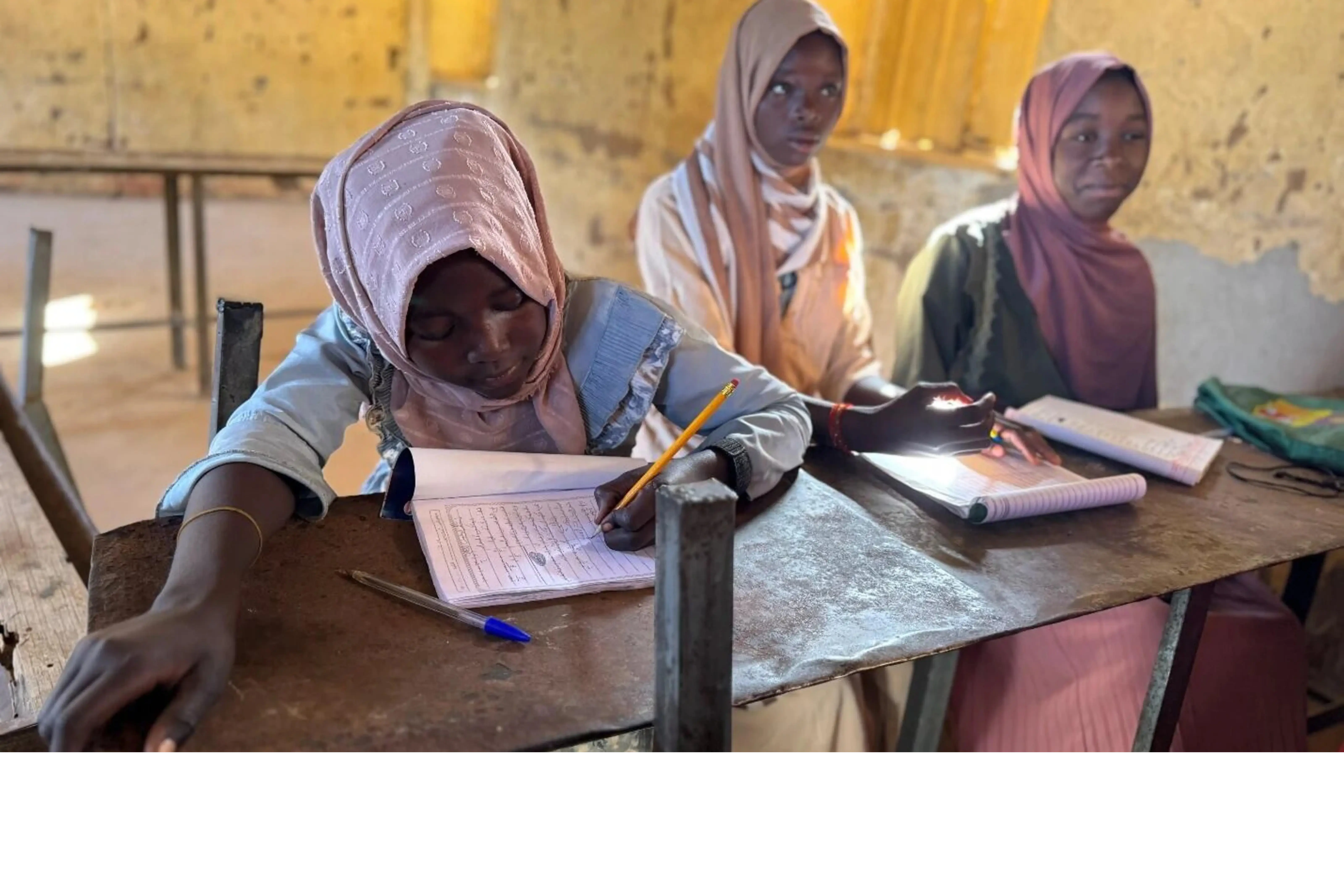
The conflict in Sudan has created one of the most devastating humanitarian crises in the world today. Millions of children have been displaced from their homes, separated from their families, and forced to survive in conditions marked by violence, hunger, and uncertainty. Among the most vulnerable are orphaned children who have lost not only their parents, but also access to safety, stability, and education.
For many children affected by war, school is more than a classroom. It is a place of protection, emotional support, and hope. Education for orphans has become one of the most urgent humanitarian priorities in Sudan because it directly affects children’s survival, mental health, and future opportunities. Without access to learning, orphaned children become more vulnerable to exploitation, child labor, forced recruitment, and long-term poverty.
According to reports from UNICEF Sudan and the United Nations Office for the Coordination of Humanitarian Affairs, millions of Sudanese children are currently out of school due to displacement and conflict. The destruction of educational systems is creating a dangerous gap that threatens an entire generation.
Why Education Matters During Humanitarian Emergencies
Education during crisis is often misunderstood as something secondary to food, water, or medical care. In reality, education becomes a lifesaving tool for children living through war and displacement. Schools provide structure during chaos and help children regain a sense of normal life after traumatic experiences.
For orphaned children, education also creates emotional stability. A classroom can become one of the few places where children feel safe enough to interact, learn, and begin recovering psychologically. Teachers and caregivers often become trusted figures who help children process grief and trauma.
Humanitarian education programs also protect children physically. When children are engaged in safe learning environments, they are less exposed to exploitation, trafficking, and recruitment by armed groups. Education therefore becomes deeply connected to child protection and long-term community recovery.
The Emotional Impact of Losing Access to School
The loss of education affects children far beyond academics. Many orphaned children in Sudan already struggle with trauma after witnessing violence, displacement, or the death of family members. When schools disappear, children lose routines, friendships, and emotional support systems that help them cope.
Mental health experts continue to stress the importance of creating structured environments for displaced children. Access to learning helps children rebuild confidence and regain hope for the future. Even simple activities like reading, drawing, or group learning can help children feel human again after experiencing extreme hardship.
According to the World Health Organization’s Sudan emergency updates, prolonged instability and limited psychosocial services are worsening emotional distress among children across the country. Education can help reduce some of these effects by creating safe spaces for healing and connection.
The Collapse of Sudan’s Education System
The conflict has severely damaged Sudan’s national education infrastructure. Thousands of schools have closed, while many buildings have been destroyed, occupied, or converted into shelters for displaced families. Teachers have also been displaced, injured, or left without salaries, making it difficult for educational systems to continue functioning.
Millions of children are now living in displacement camps or temporary settlements without any regular access to school. Orphaned children are especially affected because they often lack adults who can advocate for their education or help them continue learning during displacement.
This educational collapse risks creating a long-term humanitarian disaster. Without school support for displaced children, entire communities may face years of increased poverty, unemployment, and instability after the conflict ends.
Displacement and Barriers to Learning
Displaced children face enormous obstacles when trying to continue their education. Many cross borders without documents, school records, or legal guardians. Others move repeatedly between camps and cities, making consistent education almost impossible.
Language barriers also affect Sudanese children who seek refuge in neighboring countries. Some children enter school systems that use different languages and curricula, making adaptation difficult during an already traumatic period.
At the same time, poverty continues to push children out of classrooms. Families struggling to survive often prioritize food and shelter over school supplies or transportation. This is why humanitarian responses must include direct orphan education support alongside emergency relief efforts.
Safe Learning Environments Save Lives
Creating safe learning environments is one of the most effective ways to protect children during humanitarian emergencies. In Sudan, temporary schools, community classrooms, and learning tents have become critical spaces where children can gather safely and continue developing despite conflict.
These spaces provide much more than lessons. Many humanitarian education programs also include meals, clean water, emotional support, and recreational activities. For children who have experienced violence or loss, these services are essential for both physical and emotional survival.
Local communities often play a major role in maintaining these spaces. Volunteers, displaced teachers, and caregivers continue organizing informal schools even in dangerous conditions because they understand that education protects children from becoming completely isolated.
The Role of Community-Led Education
Sudanese communities have shown remarkable resilience throughout the crisis. Even families who have lost homes or livelihoods continue supporting children’s education whenever possible. Parents, volunteers, and local teachers gather children under trees, inside shelters, or in damaged buildings to continue teaching basic literacy and numeracy.
Community support remains one of the strongest forces keeping education alive in Sudan today. Grassroots learning initiatives are helping orphaned children maintain hope and continue developing despite extreme instability.
The work being done through the AMEL Foundation Orphans Program reflects the importance of supporting vulnerable children not only with food and shelter but also with long-term educational opportunities that restore dignity and independence.
Education and Long-Term Child Empowerment
Education is one of the strongest tools for long-term child empowerment. Children who continue learning during crises are more likely to recover emotionally, build stable futures, and contribute positively to their communities later in life.
For orphaned children, education creates pathways out of vulnerability. It helps children develop skills, confidence, and independence while reducing risks associated with exploitation and poverty. Education also allows children to imagine futures beyond conflict and displacement.
Humanitarian experts increasingly emphasize that child development programs should remain central to emergency responses. Protecting children today is not only about survival. It is about helping them rebuild lives after war ends.
The Importance of Skills and Development
Older orphaned children and teenagers often require more than primary education alone. Vocational training, digital literacy, and practical skill-building programs can help young people support themselves and regain confidence after displacement.
Programs focused on development and training become especially important for youth who have lost years of formal education due to conflict. These initiatives help prevent long-term unemployment and social instability while giving children meaningful opportunities for growth.
The AMEL Foundation training and development programs highlight the importance of creating sustainable opportunities that strengthen both individuals and communities affected by crisis.
Humanitarian Challenges Facing Education Programs
Delivering education during war is extremely difficult. Humanitarian organizations face blocked roads, insecurity, funding shortages, and damaged infrastructure while trying to reach vulnerable children. In many areas of Sudan, humanitarian workers cannot safely access communities where orphaned children urgently need support.
Funding gaps also continue to threaten educational responses. Education programs are often underfunded compared to food or medical interventions, even though education directly supports child protection and long-term recovery.
According to UNHCR’s Sudan emergency response, millions of displaced children continue requiring urgent support while humanitarian needs expand across the region. Without stronger international funding, educational access for vulnerable children will continue shrinking.
Why Local Organizations Matter
Local nonprofit organizations and Sudanese volunteers remain at the center of educational support efforts. These groups understand community realities directly and are often able to respond more quickly than larger international systems.
Local organizations continue creating emergency classrooms, distributing educational materials, and identifying orphaned children who need support. Their work proves that sustainable humanitarian action depends heavily on empowering local leadership and community-driven solutions.
The AMEL Foundation continues supporting humanitarian initiatives focused on dignity, resilience, and practical assistance for vulnerable communities affected by conflict and poverty.
The Future of Sudan Depends on Its Children
The future recovery of Sudan will depend heavily on how the country protects its children today. Every orphaned child denied education represents not only a personal tragedy but also a lost opportunity for rebuilding communities after conflict.
Children who remain disconnected from education face increased risks of poverty, trauma, and social exclusion long after the war ends. Meanwhile, children who continue learning are more likely to become future teachers, healthcare workers, leaders, and caregivers who can help rebuild the country.
Education during crisis therefore becomes an investment in peace, stability, and long-term recovery. Ignoring the educational needs of orphaned children today risks creating lasting instability for generations to come.
A Shared Global Responsibility
Sudan’s educational crisis is not only a local issue. It is a global humanitarian responsibility. Governments, international organizations, donors, and global citizens all have a role in supporting vulnerable children through sustainable educational assistance.
This support must include emergency classrooms, teacher support, mental health services, educational materials, and safe spaces where children can continue learning despite conflict. Most importantly, humanitarian systems must recognize that education is not optional during emergencies. It is essential for survival and recovery.
Conclusion
Education for orphans in Sudan has become one of the most urgent humanitarian priorities of this generation. Millions of children are living through violence, displacement, hunger, and loss while also being denied access to learning and emotional support.
Yet even during immense hardship, Sudanese communities continue fighting to keep education alive. Teachers, volunteers, caregivers, and local organizations are working tirelessly to create opportunities for orphaned children to learn, heal, and dream again.
Orphan education support is not only about classrooms or textbooks. It is about restoring dignity, protecting children from harm, and creating hope during one of the darkest humanitarian crises in recent history. Protecting children’s education today means protecting the future of Sudan itself.

Comments are closed