
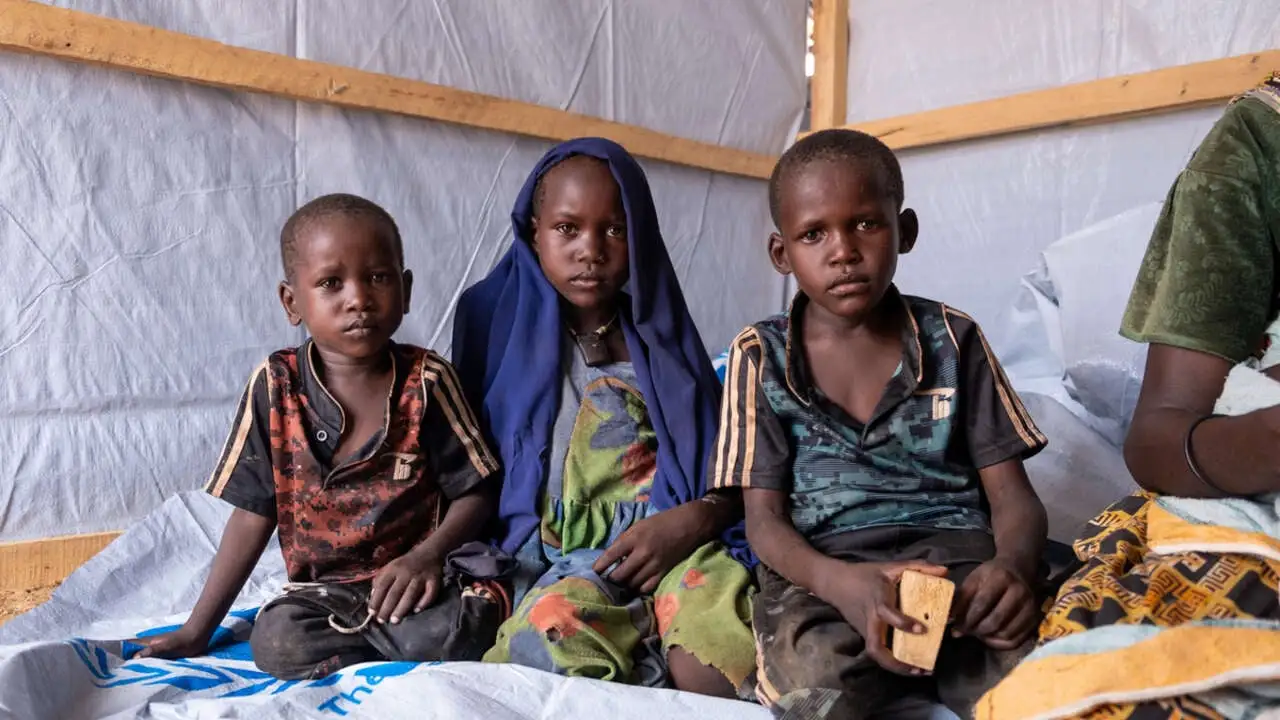
The war in Sudan has created one of the most devastating humanitarian emergencies in recent history. Entire communities have been destroyed, millions of people have been displaced, and countless families have been torn apart by violence. Among the most affected are children who have lost one or both parents during the conflict. Many are now surviving alone in overcrowded camps, abandoned neighborhoods, or unfamiliar border towns without safety, stability, or protection.
The growing number of orphans across Sudan is not only a humanitarian concern. It is a crisis that threatens the future of an entire generation. These children are facing hunger, trauma, disease, and exploitation at the same time, often without access to healthcare, education, or emotional care. The scale of suffering has become so severe that organizations like UNICEF and the United Nations Office for the Coordination of Humanitarian Affairs continue to warn that Sudan’s humanitarian collapse is accelerating rapidly.
In the middle of this destruction, local communities and nonprofit organizations are trying to protect vulnerable children through emergency shelters, food assistance, and orphan support programs. Yet the needs continue to grow faster than available resources. Sudan’s children are surviving through resilience and community solidarity, but they cannot carry this burden alone.
The Sudan Crisis and the Rise in Orphaned Children
The conflict between armed groups in Sudan has displaced millions of people in a short period of time. Families escaping shelling, attacks, and armed violence are often separated during moments of panic and fear. Many children lose contact with their parents while fleeing conflict zones, while others witness the deaths of family members directly.
According to humanitarian agencies, Sudan is now experiencing the world’s largest child displacement emergency. Thousands of children are currently unaccompanied or separated from relatives, while many others have become fully orphaned. In crowded displacement areas, children often arrive exhausted, injured, and emotionally traumatized after surviving dangerous journeys on foot.
The collapse of public services has made this situation even worse. Schools have closed across large parts of the country, healthcare systems have nearly collapsed, and humanitarian access remains blocked in several regions. Without urgent humanitarian aid, orphaned children are left exposed to severe risks that threaten both their survival and long-term wellbeing.
Children Without Protection
Children who lose parental care during conflict immediately become more vulnerable to exploitation and abuse. Without strong child protection systems, many orphans are pushed into unsafe labor, forced recruitment, trafficking, or early marriage. Girls face especially dangerous conditions in displacement camps where overcrowding and insecurity continue to rise.
Humanitarian experts have repeatedly stressed that protecting orphaned children requires more than temporary shelter. Children need stable caregiving, emotional support, healthcare, and safe access to education. They also need environments where they can begin healing from the psychological impact of war.
This is why local organizations and humanitarian workers continue to prioritize vulnerable children through community-led protection systems. The work being done through the AMEL Foundation Orphans Program reflects this urgent need by focusing on long-term care, dignity, and practical support for children affected by poverty and crisis.
Hunger and Malnutrition Among Sudan’s Orphans
One of the most immediate dangers facing orphaned children in Sudan is hunger. The conflict has severely disrupted farming, food distribution, and local markets across the country. Families who once supported themselves are now fully dependent on humanitarian assistance to survive.
Children without parents are among the first to suffer when food becomes scarce. Without adults advocating for them or securing stable resources, many orphans face severe acute malnutrition and weakened immune systems. Humanitarian organizations continue to warn that famine conditions are expanding in several areas of Sudan.
The Connection Between Hunger and Displacement
Displaced families often live in overcrowded camps with limited access to clean water, healthcare, or regular meals. Orphans living inside these conditions experience constant instability and uncertainty. Even basic survival becomes difficult when humanitarian deliveries are delayed or blocked by insecurity.
This is why emergency relief efforts must include both food assistance and long-term support systems. Programs focused on nutrition, clean water, and healthcare are essential for helping orphaned children survive the immediate effects of war. Through initiatives like the AMEL Foundation food security programs, communities can continue supporting children who would otherwise face life-threatening hunger.
The Emotional Trauma Facing Orphans
The emotional toll of war on children is impossible to ignore. Many Sudanese orphans have witnessed violence that no child should ever experience. Some watched their homes destroyed. Others lost parents during attacks or became separated while escaping conflict zones. These experiences leave deep psychological scars that continue long after physical safety is found.
Mental health support remains extremely limited in Sudan, especially inside displacement areas. Yet emotional healing is just as important as food or shelter. Children who experience prolonged trauma often struggle with fear, anxiety, nightmares, and withdrawal. Without care and support, these conditions can affect their ability to trust others, learn, and build stable futures.
Humanitarian organizations increasingly emphasize the importance of psychosocial support for children affected by war. Safe spaces, emotional counseling, and supportive caregivers help children process grief and regain a sense of stability during crisis.
Why Community Support Matters
In Sudan, many orphaned children are being cared for by extended relatives, neighbors, or local volunteers. These informal systems of care reflect the deep solidarity that exists inside Sudanese communities even during extreme hardship. Families who have lost homes and income are still choosing to shelter orphaned children because they refuse to leave them alone.
Community support has become one of the strongest forms of protection available to children today. Local volunteers, teachers, healthcare workers, and grassroots initiatives continue to play a major role in identifying vulnerable children and connecting them with assistance.
This community resilience is helping preserve hope during one of Sudan’s darkest periods. At the same time, these families and volunteers cannot continue carrying this responsibility without international support and sustainable humanitarian funding.
Education for Orphans During Conflict
Education is one of the first systems to collapse during war, yet it remains one of the most important tools for protecting children. Schools provide structure, emotional safety, and opportunities for long-term recovery. For orphaned children, education can also restore a sense of normal life during chaos.
Unfortunately, millions of Sudanese children are currently out of school due to violence and displacement. Many educational facilities have been damaged, occupied, or forced to close entirely. Children living in camps or temporary shelters often have no access to classrooms, books, or trained teachers.
The loss of education creates long-term consequences for vulnerable children. Without schooling, children become more exposed to exploitation, child labor, and recruitment by armed groups. This makes education for orphans not only a learning issue but also a major child protection priority.
The Importance of Long-Term Recovery
Humanitarian responses must focus not only on emergency survival but also on rebuilding futures. Supporting education, vocational training, and child development programs helps orphaned children regain confidence and prepare for adulthood despite the trauma they have endured.
The AMEL Foundation training and development initiatives reflect the importance of giving vulnerable communities opportunities for growth and recovery beyond immediate emergency aid. Long-term support creates stronger communities and reduces the lasting impact of conflict on children.
The Challenges Facing Humanitarian Organizations
Delivering aid in Sudan has become increasingly dangerous and complicated. Humanitarian routes are frequently blocked, access permits are delayed, and aid workers often face insecurity while trying to reach vulnerable communities. These obstacles slow down the delivery of food, medicine, and protection services for orphaned children.
Funding shortages also continue to affect humanitarian operations. While international organizations continue appealing for urgent support, available resources remain far below the scale of need. This creates difficult decisions about which communities receive assistance first and which programs can continue operating.
According to UNHCR’s Sudan emergency response, millions of displaced people remain dependent on humanitarian aid while conditions continue deteriorating across the region. Without stronger international action, orphaned children will continue facing unacceptable risks.
Local Organizations on the Frontlines
Despite these obstacles, local nonprofit organizations and Sudanese volunteers continue working every day to support displaced families and protect children. These groups understand community needs directly and often reach areas that larger institutions cannot access easily.
The role of local organizations has become especially important in providing emergency relief, identifying separated children, and supporting informal caregiving systems. Their work demonstrates that sustainable humanitarian action must include strong investment in local leadership and community-driven responses.
The AMEL Foundation continues to advocate for dignity-centered humanitarian support that responds directly to the realities faced by vulnerable families and children affected by crisis.
Why the World Cannot Look Away
The suffering of Sudan’s orphaned children should not be treated as a forgotten crisis. Every child living through this conflict deserves safety, care, education, and protection regardless of geography or politics. Yet millions continue to face violence and deprivation with very little global attention.
The international community must increase funding for humanitarian aid, strengthen child protection systems, and support organizations working directly with displaced families and vulnerable children. Governments and institutions must also push for humanitarian access to areas where aid remains blocked.
Most importantly, the voices of Sudanese communities must continue to be heard. Behind every statistic is a child trying to survive unimaginable loss while still hoping for a future.
Conclusion
Sudan’s orphan crisis is one of the clearest signs of the human cost of war. Thousands of children have lost parents, homes, education, and security in a conflict that continues to grow more devastating each day. Yet even in the middle of destruction, Sudanese communities continue showing extraordinary compassion by protecting and caring for orphaned children whenever possible.
Still, resilience alone cannot replace strong humanitarian systems. Orphans support requires sustained humanitarian aid, long-term investment, and international solidarity. Vulnerable children deserve more than survival. They deserve the opportunity to heal, learn, and build stable futures free from fear and violence.
Protecting Sudan’s children today means protecting the future of the country itself. The world cannot continue looking away while an entire generation fights to survive alone.

Comments are closed