
 Are you ready to help?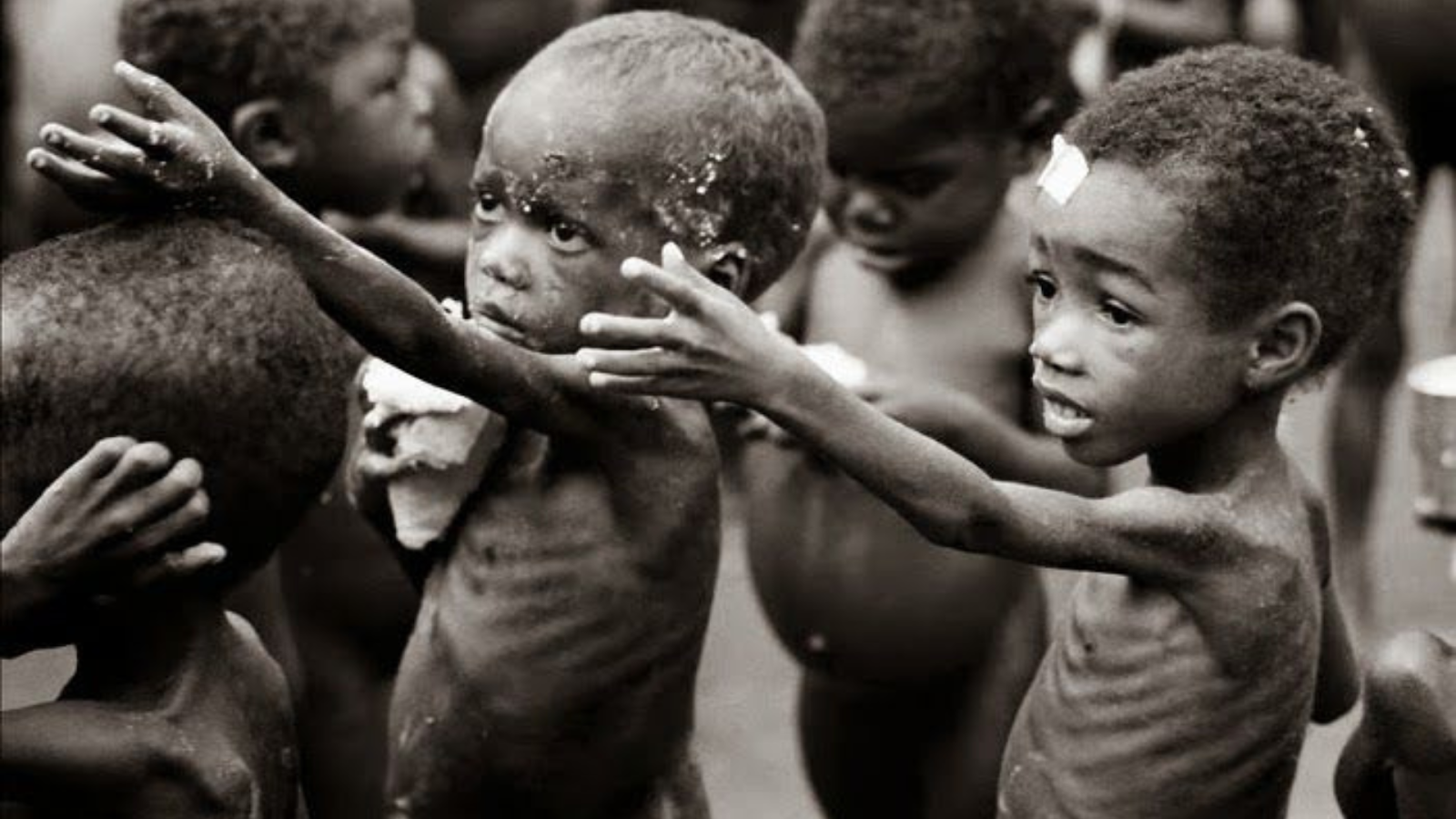
Understanding the True Effects of Poverty
Poverty is not only about lacking money, it is about lacking choices. It denies millions of people access to food, education, safety, and dignity. Across the world, families wake each morning uncertain of their next meal, their children’s schooling, or their shelter for the night. The effects of poverty ripple through generations, shaping lives long before a child even takes their first breath.
The World Bank estimates that more than 700 million people live in extreme poverty today. Behind this statistic are individuals facing daily hardship, mothers who skip meals, children forced to work, and families trapped in cycles of debt and displacement. Poverty is not inevitable. It is the result of economic inequality, conflict, and social exclusion that the global community has yet to solve.
Poverty and the Human Cost of Inequality
When income inequality grows, so does human suffering. The gap between the wealthy and the poor determines who can access opportunity, and who cannot. Inequality magnifies vulnerability in every way: it limits education, restricts healthcare, and increases exposure to crises such as conflict or famine.
According to UNDP, societies with the widest income gaps also experience lower life expectancy and higher rates of health disparities. In Sudan and other crisis-affected countries, inequality is not just financial, it’s structural. It shapes who gets aid, who finds employment, and who is left behind.
AMEL Foundation works to bridge this divide through long-term community programs that strengthen livelihoods and restore dignity. By investing in both immediate assistance and sustainable growth, AMEL builds pathways out of poverty, not temporary escapes.
Economic Hardship and Daily Survival
Living in economic hardship means making impossible choices. Families in fragile economies often face unemployment, rising prices, and limited access to basic services. In Sudan, inflation and conflict have eroded savings and destroyed local markets. A day’s wages that once bought food for a week now barely cover one meal.
As OCHA reports, millions of Sudanese families now depend on humanitarian aid to survive. But poverty’s reach extends far beyond emergency settings. Even in more stable regions, low-income families face financial instability that prevents them from investing in health, education, or future planning. Poverty, therefore, is not only about what people earn, it is about what they lose.
Unemployment and the Cycle of Dependency
Unemployment deepens the effects of poverty by removing a family’s ability to sustain itself. Without stable income, even basic needs become luxuries. Youth unemployment, in particular, poses a long-term risk to development. When young people cannot find work, they lose both confidence and opportunity, often turning to unsafe or exploitative labor just to survive.
According to the International Labour Organization (ILO), global youth unemployment rates remain among the highest in history, especially in conflict-affected countries. Creating job opportunities is not only about reducing poverty, it’s about restoring purpose and stability.
Through initiatives like Training and Development Programs, AMEL Foundation helps individuals gain vocational skills, empowering them to rebuild livelihoods and break the dependency cycle. Work gives meaning, and meaning restores hope.
Poor Nutrition and Health Disparities
The most visible effects of poverty are seen in health. Poor nutrition weakens bodies and futures alike. Malnourished children struggle to grow, learn, and thrive. In communities where food is scarce, diseases spread quickly, and healthcare is often out of reach.
The World Health Organization (WHO) highlights that poverty remains one of the most powerful predictors of poor health outcomes worldwide. Without nutritious food, clean water, and medical access, people face recurring illnesses that keep them from working or attending school.
AMEL Foundation’s Healthcare Program addresses this challenge head-on. By delivering essential medical aid and promoting health awareness, AMEL reduces mortality rates and strengthens communities’ capacity to care for themselves. When people are healthy, they are free to pursue education, employment, and dignity.
Education Gap: The Invisible Divide
Education remains one of the most effective tools against poverty, yet millions of children are still denied this right. The education gap widens each year as impoverished families cannot afford school fees, materials, or even transportation. In places like Sudan, conflict has destroyed thousands of schools, leaving children without safe learning spaces.
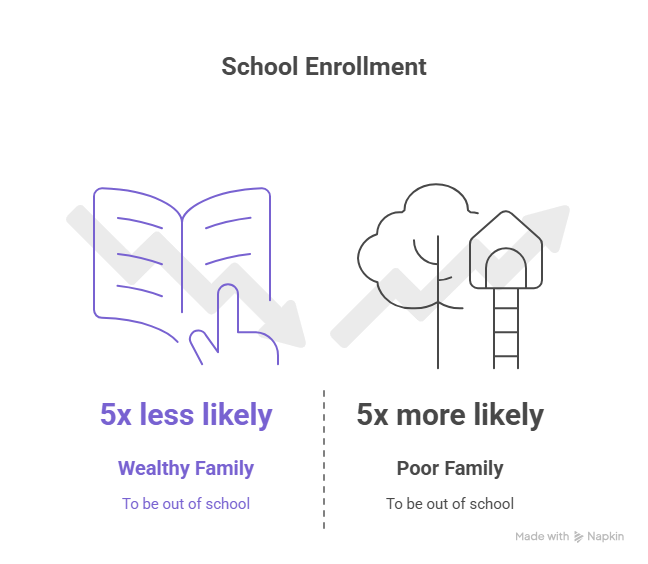
According to UNESCO, children from the poorest households are five times more likely to be out of school than those from wealthier families. This is not just a loss of knowledge but a loss of future potential.
Through Zakatul Fitr and community-based support programs, AMEL Foundation ensures children can continue their education, even in crisis zones. Education builds resilience, it gives children the skills to rise above their circumstances and rebuild their communities.
Housing Insecurity and the Loss of Safety
A home is more than a roof; it is the foundation of stability. Yet housing insecurity affects hundreds of millions globally. Families displaced by conflict or poverty often find themselves living in temporary shelters or overcrowded camps, vulnerable to exploitation and disease.
In Sudan, the destruction of towns and villages has forced millions into informal settlements. These areas lack sanitation, electricity, and access to clean water. Without a stable home, it becomes impossible to maintain employment, health, or education.
Social Exclusion and the Human Spirit
Poverty isolates people. Social exclusion occurs when individuals are cut off from participation in community life, unable to vote, seek justice, or access basic rights. Exclusion erodes confidence and perpetuates silence. People living in poverty often feel invisible, unheard, and unworthy of help.
As explained by UNESCO, social exclusion deepens inequality by creating invisible barriers between communities. Inclusion, on the other hand, restores humanity. When people are given voice and opportunity, they contribute solutions, not just needs.
Breaking the Cycle: From Poverty to Resilience
The fight against poverty is not just about charity; it’s about justice. To truly address the effects of poverty, the global community must invest in sustainable systems, healthcare, education, agriculture, and employment that allow people to thrive independently.
RSIS International highlights that effective humanitarian response must move “from relief to resilience.” This means supporting immediate survival while laying the groundwork for long-term growth. Poverty can only be broken when local capacity is strengthened, and aid is paired with empowerment.
A Global Responsibility
The effects of poverty do not stay confined within borders. They influence migration, global health, and security. When one region suffers, the entire world feels the consequences, through economic instability, displacement, and humanitarian strain.
Global cooperation is therefore not optional; it is essential. Governments, organizations, and citizens must act together to address both the symptoms and root causes of poverty. Donations, advocacy, and sustainable policy reforms can all contribute to a future where every person has equal opportunity.
By supporting organizations like AMEL Foundation, individuals can turn compassion into action. Each contribution helps fund education, healthcare, and sustainable livelihoods that transform lives.
Conclusion: Restoring Hope, One Life at a Time
Poverty is not just an economic condition; it is a test of humanity. It challenges us to look beyond comfort and act for justice. Across Sudan and the world, millions continue to live with economic hardship, poor nutrition, and housing insecurity, yet their resilience reminds us that change is possible.
Through empathy, awareness, and sustained humanitarian response, the cycle of poverty can be broken. The AMEL Foundation remains committed to this mission, ensuring that every act of aid contributes to a world where no one is left behind.

Comments are closed