
 Are you ready to help?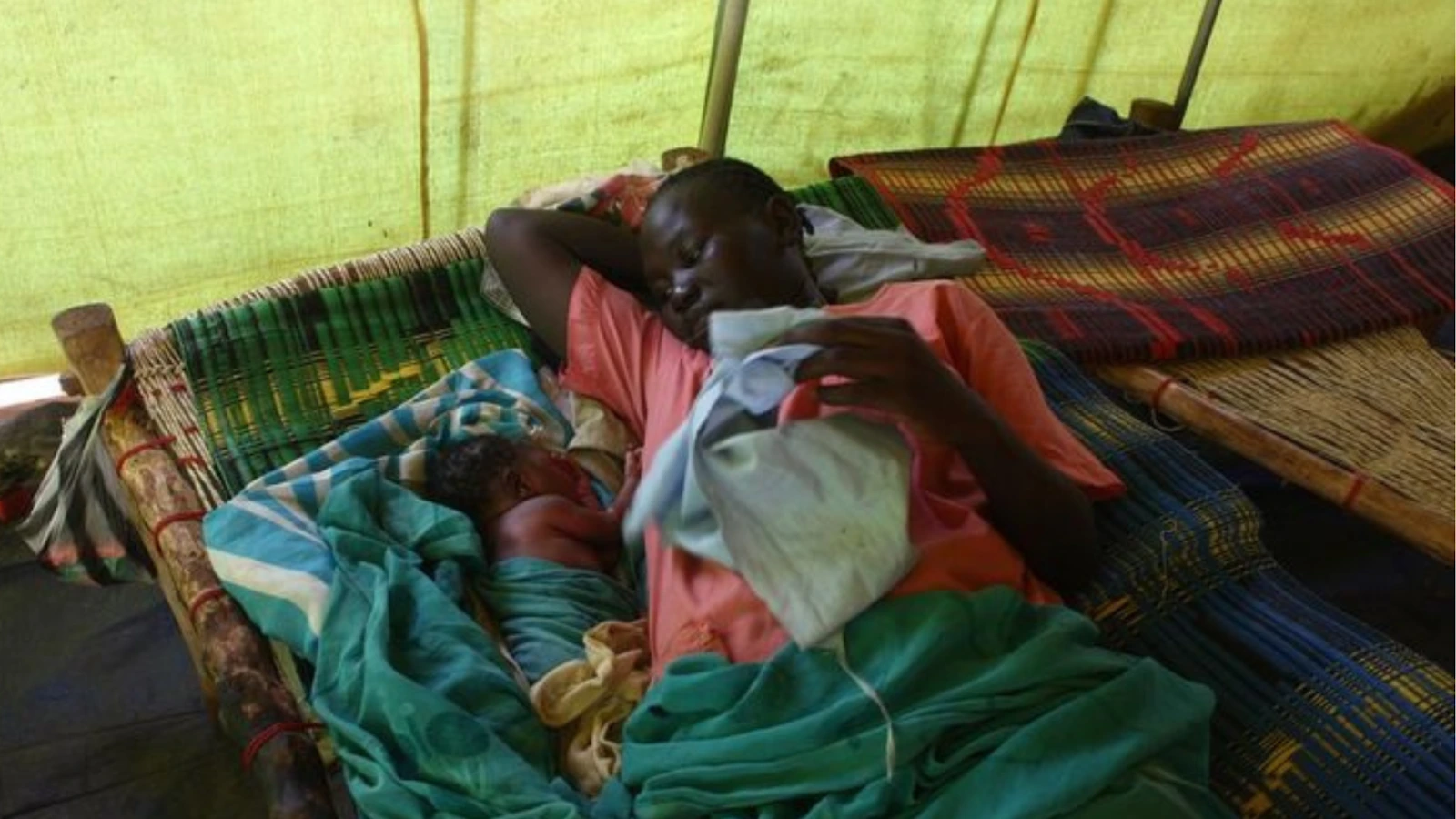
Across the vast and war-torn landscapes of Darfur, another silent enemy thrives malaria. As the conflict rages and millions are displaced, stagnant water and collapsed health systems have created perfect breeding grounds for mosquitoes. What was once a preventable disease has now become one of the deadliest consequences of the ongoing Darfur health crisis, threatening to wipe out fragile progress in public health.
Understanding Malaria and Its Grip on Darfur
Malaria is a mosquito-borne disease caused by Plasmodium parasites, transmitted through the bite of infected mosquitoes. It is both preventable and treatable, yet in regions like Darfur, prevention is a luxury few can afford. According to the World Health Organization, children under five and pregnant women face the highest risk of severe illness and death.
In Darfur, where conflict has displaced over one million people, exposure to mosquitoes has multiplied. Families forced to live in open areas or overcrowded camps have little to no protection from bites. With stagnant water collecting around shelters and poor waste disposal, the mosquito population has surged turning displacement zones into incubators for a deadly malaria outbreak.
Why Darfur Is So Vulnerable
Conflict, displacement, and climate all combine to make Darfur especially susceptible to malaria. The destruction of homes and infrastructure leaves communities exposed to rain and flooding. When water stagnates in broken streets or abandoned compounds, it becomes a breeding ground for mosquitoes.
The absence of effective mosquito control measures has compounded the problem. Few families have insecticide-treated nets, and local health workers report a severe shortage of insect repellents and antimalarial drugs. According to UN OCHA, nearly 80% of Darfur’s health facilities are non-operational, forcing families to travel long distances for care often with no guarantee of finding medicine or staff.
This vulnerability extends beyond health it’s a matter of survival. Every rainy night in Darfur now carries the risk of infection.
Displacement and the Spread of Disease
The Sudan crisis has created one of the largest internal displacement movements in modern history. Camps across Darfur have swollen with people fleeing violence, most of them women and children. In these temporary shelters, health conditions are dire.
Overcrowding, lack of clean water, and poor sanitation all fuel the spread of malaria. Families live side by side in makeshift tents where water collects beneath their feet after rainfall. There are no drainage systems, and garbage piles up, attracting insects. Children, weakened by hunger and exhaustion, become easy prey for infection.
The collapse of basic services means that emergency healthcare is nearly nonexistent. With only a handful of functioning clinics in each camp, many patients die before receiving any treatment. This is not simply a medical problem, it’s a humanitarian emergency demanding a coordinated public health response.
The Collapse of Darfur’s Health System
Darfur’s health system has been shattered by years of war and neglect. Medical staff have fled or been displaced themselves. Hospitals have been damaged or looted. Supply chains have broken down due to insecurity and fuel shortages, leaving critical medications stranded outside the region.
Even when medicines arrive, storage and cold chain systems are often non-functional. Médecins Sans Frontières reports that clinics are overwhelmed, treating dozens of malaria patients daily with limited diagnostic tools.
The absence of medical intervention means that preventable cases become fatal. Many communities rely on traditional remedies or home care, which rarely suffice. For children, a single untreated fever can quickly escalate into severe anemia, seizures, or death.
Humanitarian Aid on the Frontlines
Despite enormous challenges, humanitarian organizations continue to fight malaria’s spread in Darfur. The Amel Foundation and its partners work tirelessly to restore essential services through emergency relief projects. These include distributing insecticide-treated mosquito nets, restoring community health centers, and training local health volunteers to diagnose and manage malaria.
Global partners such as the UNICEF Sudan Office and WHO support vaccination drives and integrated health campaigns, combining malaria treatment with nutrition and maternal health services. These efforts demonstrate the power of humanitarian aid in the face of chaos but they remain far from enough.
Funding gaps and security constraints limit outreach. Many areas remain inaccessible due to ongoing conflict. Without sustained donor support and safe humanitarian corridors, the fight against malaria risks losing ground every day.
How Communities Are Fighting Back
Amid this crisis, Sudanese communities have shown remarkable strength. In several camps, youth volunteers trained by Amel Foundation’s healthcare programs are conducting malaria awareness sessions, teaching families how to reduce stagnant water and protect sleeping areas.
Women’s groups are sewing makeshift net coverings using local fabric when standard mosquito nets are unavailable. Others are organizing night patrols to identify high-risk areas and report stagnant pools to community leaders. These acts of community resilience represent the spirit of survival that keeps hope alive, even in the harshest conditions.
Still, resilience cannot replace resources. Without proper tools, these local efforts can only do so much. The international community must strengthen them with technical and financial support to prevent further loss of life.
The Need for Global Solidarity
The fight against malaria in Darfur is not just a local challenge, it’s a global moral test. Diseases thrive in conflict zones because the world allows them to. Global solidarity is essential to break this cycle.
The Amel Foundation continues to advocate for expanded funding through its donation initiatives, connecting international compassion with local action. Every contribution helps buy medicine, nets, and transport fuel for outreach teams. Each act of solidarity sends a message: that lives in Darfur are not forgotten.
As the United Nations has emphasized, ending preventable deaths requires both humanitarian access and political commitment to peace. Health cannot wait for conflict to end it must be protected during it.
Restoring Access and Rebuilding Health
Rebuilding Darfur’s health system will take years, but it begins with small, strategic steps. Restoring roads and supply chains ensures that clinics receive consistent deliveries. Rehabilitating damaged facilities brings healthcare closer to families in need.
Programs focusing on disease prevention from distributing mosquito nets to teaching communities about hygiene must go hand in hand with long-term investments in water, sanitation, and education. The Amel Foundation’s water projects address one of malaria’s root causes: stagnant and contaminated water sources that serve as breeding grounds for mosquitoes.
These efforts, combined with international partnerships, can lay the foundation for a stronger, more resilient health system in Darfur.
Hope Amid Hardship
Behind the statistics are faces, mothers holding feverish children, doctors performing miracles with limited supplies, and volunteers walking miles to deliver medicine. Their courage speaks louder than despair.
Darfur’s fight against malaria is a story of endurance, not defeat. It reminds the world that compassion can coexist with crisis, and that every act of care — however small — ripples through communities in powerful ways.
A Call to Action
The malaria outbreak in Darfur is a preventable tragedy unfolding in real time. It demands not only humanitarian concern but immediate action. Donors, governments, and individuals must stand together to ensure that every family has access to mosquito nets, clean water, and essential healthcare.
The Amel Foundation calls upon the global community to act now to give, advocate, and amplify the voices of those caught in the margins of war and disease. By uniting around this cause, the world can prove that even in times of conflict, humanity can still heal.
Malaria should not be a death sentence in Darfur. With collective effort, compassion, and sustained commitment, it won’t be.

Comments are closed