
 Are you ready to help?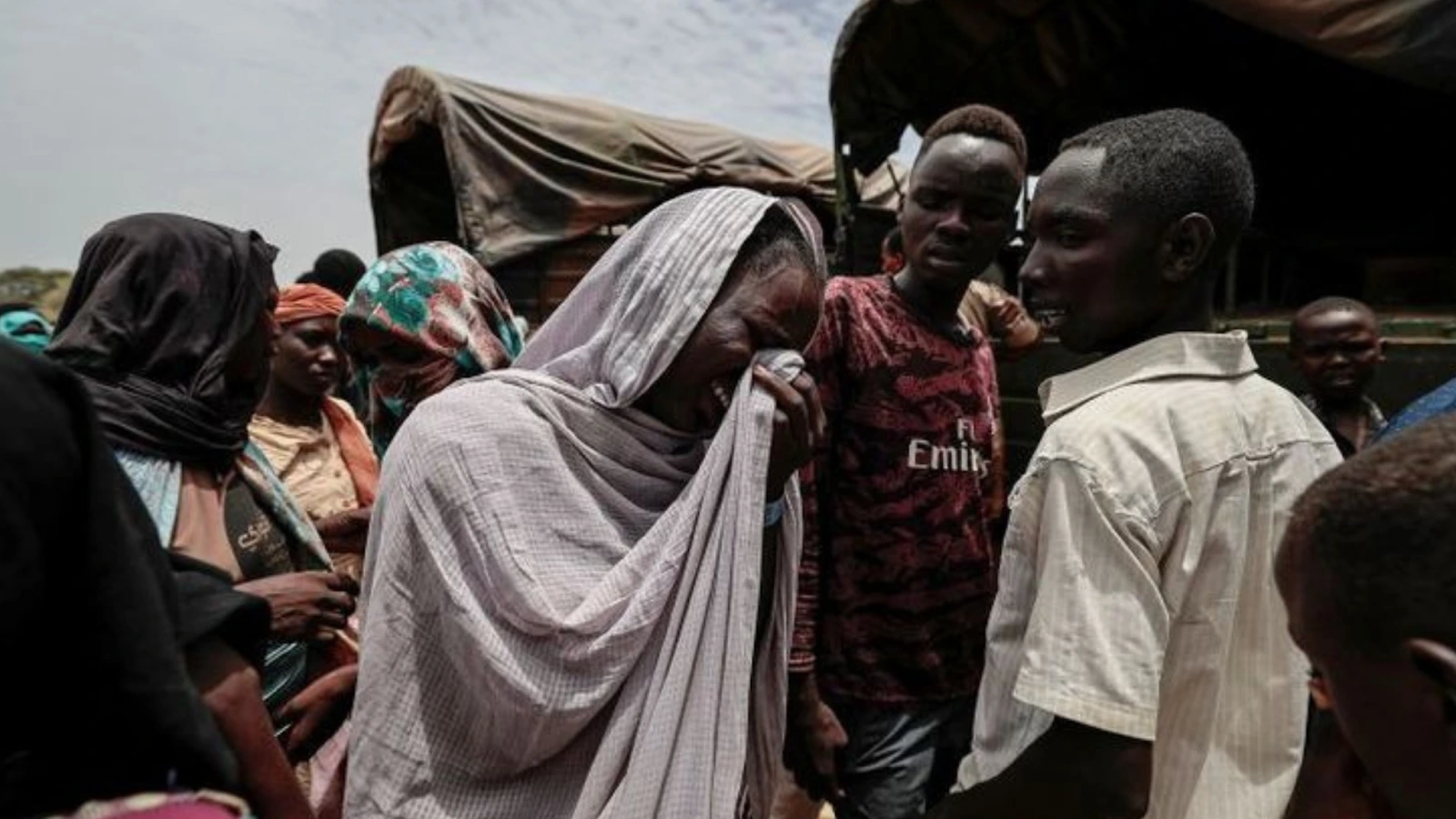
When war breaks out, hospitals often become silent casualties. In Sudan, this silence is deafening. The country’s ongoing conflict has not only displaced millions but also pushed its fragile healthcare system to the brink of total collapse. What was once a network of healing centers is now a fragmented, exhausted system where doctors work without pay, medicines are scarce, and patients fight for survival in improvised shelters. The healthcare Sudan conflict reveals the true cost of war not only in destroyed buildings but in the loss of human lives, dignity, and hope.
The Human Face of a Medical Crisis
Sudan’s conflict, which erupted in April 2023, has created one of the world’s fastest-growing humanitarian emergencies. More than 25 million people now depend on humanitarian aid, with over 80% of hospitals in conflict zones non-functional, according to the World Health Organization. In cities like Khartoum, Nyala, and El Fasher, medical staff face impossible choices: save who they can with what they have or risk their lives trying to get more supplies.
This medical crisis is not limited to war wounds. The breakdown of sanitation systems and mass displacement has triggered outbreaks of malaria, cholera, and measles diseases that thrive when healthcare access disappears. Yet amid this despair, local volunteers and humanitarian partners, including initiatives like the Amel Foundation’s healthcare projects, continue to work tirelessly to bring healing where it’s needed most.
A System on the Edge of Collapse
Before the conflict, Sudan’s health infrastructure was already fragile due to decades of underinvestment. The war has now reduced it to fragments. Health facilities have been looted, bombed, or abandoned, leaving vast regions without functioning clinics or pharmacies. According to the United Nations Office for the Coordination of Humanitarian Affairs (OCHA), even life-saving supplies like insulin, blood bags, and oxygen are running out.
This health system collapse means that treatable conditions, childbirth complications, infections, or chronic diseases can quickly become fatal. Pregnant women often walk miles under shellfire in search of medical care, only to find empty wards. Patients with kidney disease miss dialysis sessions. Children die from fever that could have been prevented with basic medicine.
Displaced Communities and the Loss of Access to Care
The war has displaced more than 12 million people, forcing families to flee without medicine, medical records, or access to doctors. Many of these displaced communities now live in makeshift camps with limited sanitation, heightening the risk of disease outbreaks. Health posts in these camps, when they exist, are often staffed by volunteers without formal training or supplies.
The situation is especially dire for children and the elderly. Malnutrition, dehydration, and preventable infections are rampant. Without proper healthcare access, minor injuries can turn deadly. For women and girls, the dangers are even greater sexual violence, unsafe childbirth, and the lack of maternal healthcare are daily realities.
Amid this chaos, organizations like Amel Foundation’s emergency programs step in to provide emergency response services such as mobile clinics and first-aid distribution. These community-led efforts often represent the only source of medical help in remote or besieged areas.
The Heroes Behind the Frontlines
Healthcare workers in Sudan are among the quiet heroes of this war. Despite shortages, threats, and trauma, they continue to serve. Doctors sleep in hospitals, nurses improvise with torn sheets as bandages, and community health workers risk their lives crossing frontlines to deliver vaccines.
Their courage symbolizes the country’s community resilience the unbreakable will to protect life even when everything else is lost. However, these workers are operating under immense stress. Many have gone months without pay, working with minimal resources. Without proper support, the risk of burnout and mental health collapse is growing rapidly among medical staff.
The World Health Organization’s emergency appeal has called for urgent international funding to protect healthcare personnel and restore essential services, but less than half of the required amount has been received.
Barriers to Medical Intervention and Aid Delivery
Delivering medical aid in Sudan has become a dangerous mission. Supply chains are disrupted by fighting, fuel shortages block ambulances, and communication blackouts cut off coordination among aid groups. Attacks on hospitals and aid convoys violate international humanitarian law, but they continue with alarming frequency.
Even when humanitarian aid reaches the borders, bureaucratic restrictions and insecurity prevent it from reaching those most in need. The absence of safe corridors has left entire populations isolated. The cost of basic medicines has increased more than 400% in some areas, making them unaffordable for displaced families.
The Ripple Effects: Disease Prevention and Public Health Breakdown
Beyond the immediate crisis, the conflict’s long-term impact on disease prevention is devastating. Vaccination campaigns have halted, sanitation systems have collapsed, and vector control efforts have ceased, allowing diseases like malaria and cholera to resurface at alarming rates.
Without reliable cold chain systems, vaccines spoil before reaching clinics. The lack of clean water especially in displacement sites has created perfect conditions for waterborne diseases. The UNICEF Sudan situation report warns that millions of children are at risk of malnutrition and disease due to the breakdown of basic health services.
Organizations like the Amel Foundation’s water projects play a crucial role in mitigating these risks by providing safe water and hygiene support, both essential components of disease prevention and health restoration.
Women, Children, and the Hidden Health Crisis
In every humanitarian emergency, women and children suffer disproportionately, and Sudan is no exception. The conflict has destroyed maternity wards, halted vaccination drives, and increased maternal mortality rates. Women delivering babies in unsafe environments face unimaginable risks.
Children face a double threat malnutrition and preventable diseases. With schools closed, they also lose access to feeding programs that once provided essential nutrition. According to WHO, nearly 70% of Sudan’s children have missed their routine immunizations, leaving them vulnerable to deadly outbreaks.
Addressing these gaps requires a coordinated medical intervention focused on maternal health, nutrition, and child immunization. Local partnerships, including women-led initiatives, can help reach the most vulnerable and rebuild trust in health systems.
Building a Foundation for Recovery
While emergency care remains urgent, long-term recovery depends on rebuilding the foundations of Sudan’s healthcare system. Restoring hospitals, training medical personnel, and re-establishing supply chains are essential for sustainable recovery. Local empowerment through training programs and community-led initiatives can help create self-sustaining health networks even amid instability.
The Amel Foundation’s training and development programs invest in local health workers to strengthen resilience and ensure continuity of care. By combining short-term aid with long-term capacity building, these efforts plant the seeds of recovery in even the hardest-hit regions.
The Call for Global Solidarity
Sudan’s healthcare crisis is not an isolated tragedy—it is a global moral test. The collapse of healthcare in one of Africa’s largest nations threatens regional stability and global health security. Without immediate international engagement, diseases could spread beyond borders, and millions of lives could be lost.
Global solidarity means more than sympathy—it demands action. Donors, governments, and individuals can contribute by supporting trusted humanitarian partners who work directly with local communities. Every contribution helps restore hope, heal wounds, and rebuild what war has destroyed.
Those who wish to take part can learn more or donate through the Amel Foundation’s donation page. Each act of generosity fuels the ongoing fight for dignity and survival in Sudan’s war-affected regions.
Conclusion: Healing as a Form of Resistance
The story of healthcare in the Sudan conflict is one of pain, endurance, and unyielding humanity. Amid bombed hospitals and lost lives, people continue to heal one another with whatever tools, courage, and compassion they have left.
Rebuilding Sudan’s healthcare system will require years of effort, but every meal shared, every wound treated, and every child vaccinated is a step toward recovery. As long as compassion exists, there is hope. Supporting Sudan’s doctors, nurses, and volunteers is not just an act of charity it is an act of solidarity with the world’s fight for life itself.

Comments are closed