
 Are you ready to help?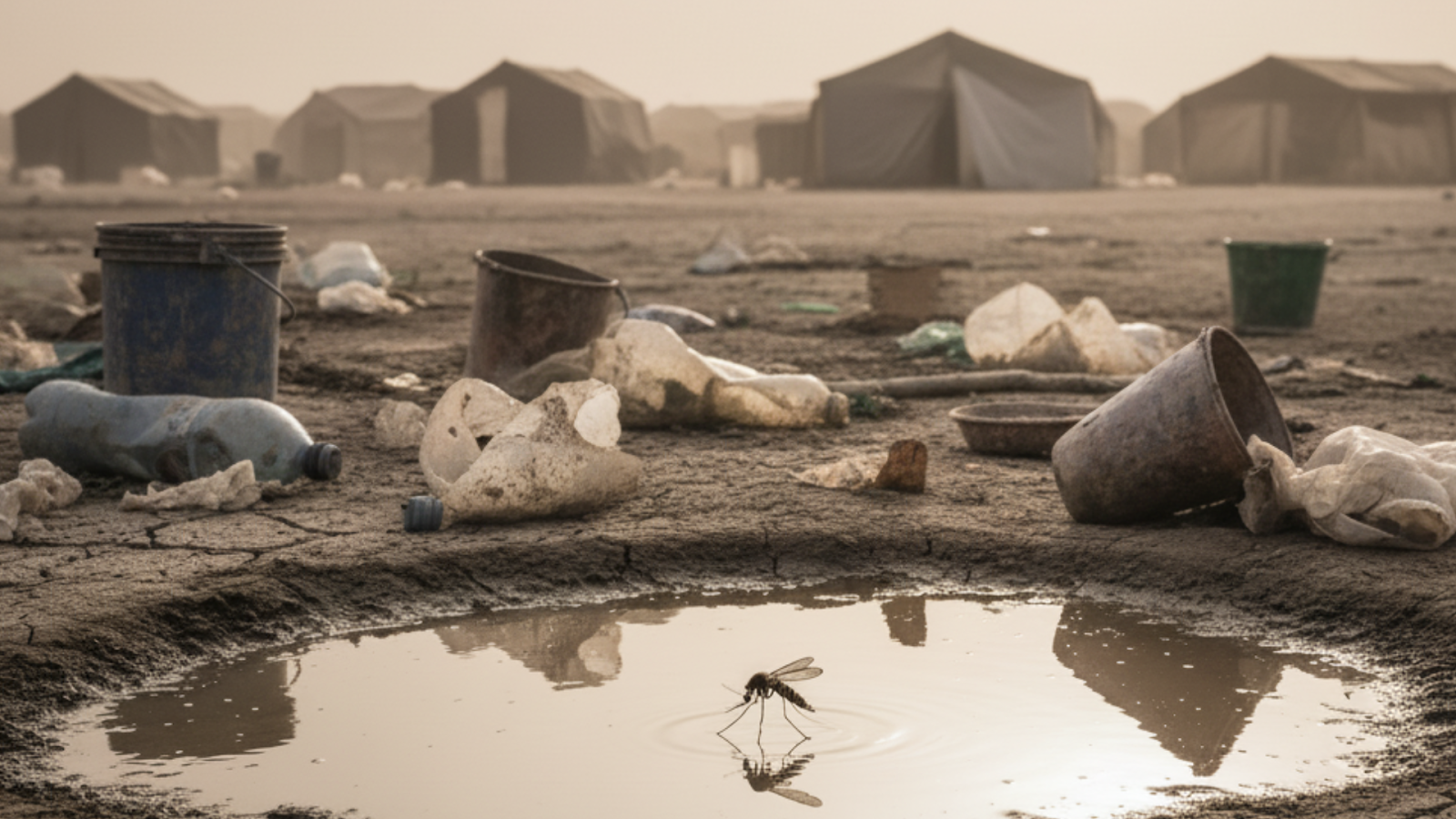
Introduction
Sudan is facing one of the gravest humanitarian emergencies of our time. Since April 2023, conflict has displaced more than 11 million people, creating one of the largest crises of forced movement in the world. Entire families have fled their homes in search of safety, only to find themselves living in overcrowded shelters with little access to food, clean water, or medical care. Amid this turmoil, a new danger has emerged: dengue fever outbreak. This mosquito-borne disease is spreading rapidly across camps and communities, turning an already dire public health crisis into an even greater emergency.
The AMEL Foundation, committed to supporting vulnerable families in Sudan, is working to raise awareness about this growing threat and mobilize resources to protect communities. Understanding the nature of dengue fever, why it thrives in crisis conditions, and how it can be controlled is essential to saving lives today and building resilience for tomorrow.
What is Dengue Fever and Why is it Deadly in Crises?
Dengue fever is a mosquito-borne disease transmitted primarily by the Aedes aegypti mosquito. It causes high fever, severe joint pain, headaches, and sometimes dangerous complications like bleeding or organ failure. Globally, dengue has been recognized as one of the top 10 global health threats by the World Health Organization.
In stable settings, strong health systems can manage outbreaks with disease surveillance and access to emergency medical support. But in Sudan, where 80% of health facilities in conflict areas are no longer functioning, the spread of dengue has devastating consequences. Displacement, hunger, and poor sanitation create the perfect environment for mosquitoes to breed and for the disease to spread unchecked.
Displacement and the Spread of Dengue in Sudan
Conflict has forced millions of people into temporary camps and shelters. These locations, often lacking proper drainage or waste disposal, become breeding grounds for mosquitoes. Families live in close quarters, increasing exposure to bites and infection.
The situation is worsened by poor access to healthcare. Many displaced people must walk long distances to reach clinics, and medicines for dengue treatment are in critically short supply. Children and elderly people, already weakened by hunger and stress, face the highest risk of severe illness or death. As displacement continues, the potential for dengue fever to escalate into a nationwide public health crisis grows more alarming every day.
The Humanitarian Needs in a Dengue Fever Outbreak
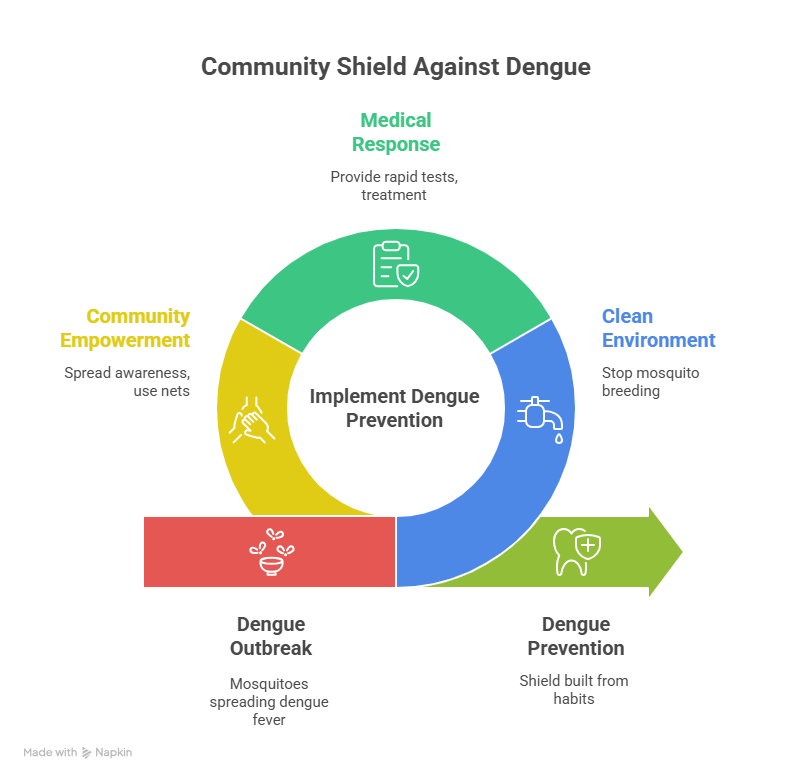
The Sudanese population is battling multiple health emergencies at once: cholera, malaria, malnutrition, and now dengue fever. Addressing this requires a layered response. First, there is an urgent need for clean water and sanitation to reduce mosquito breeding sites. Second, communities need vector control measures such as mosquito nets, safe spraying, and education about how to protect households. Third, clinics require diagnostic tools and essential medicines to manage cases before they become life-threatening.
The AMEL Foundation has long been active in areas like healthcare support and water projects, which are both critical in preventing and responding to dengue. These interventions not only treat immediate suffering but also build the resilience of Sudanese communities to withstand repeated disease outbreaks.
Aid Challenges in Conflict Zones
Delivering aid in Sudan is extraordinarily difficult. Convoys carrying medical supplies are often blocked by insecurity, while attacks on healthcare workers and facilities make it nearly impossible to provide consistent care. The collapse of the supply chain means even basic medicines are scarce.
Diagnostic tools that could confirm dengue fever are in short supply, and the health workforce has been depleted as many professionals flee violence or struggle without pay. Coordination between humanitarian actors remains complex, with overlapping mandates and limited access to areas most in need. Reports from the Global Fund highlight how essential international partnerships are to sustaining even the most basic services under these conditions.
The Role of Community Health Awareness
One of the most powerful tools in fighting dengue is community health awareness. Even in the absence of fully equipped hospitals, people can take action to protect themselves and their families if they understand the risks. Simple practices, like covering water containers, using mosquito nets, and eliminating standing water, can dramatically reduce infections.
Community-led health education campaigns are particularly vital in displaced populations, where official services are stretched thin. When families understand how dengue spreads and how to break the cycle, they become active participants in protecting their neighborhoods. This approach not only slows the disease but also empowers communities to reclaim a sense of control in the midst of displacement and crisis.
Climate Change and Health: A Dangerous Intersection
The rise of dengue fever in Sudan cannot be separated from the broader issue of climate change and health. Rising temperatures and unpredictable rainfall patterns are expanding the habitat of dengue-carrying mosquitoes. Floods create stagnant pools of water where larvae thrive, while drought drives communities to store water in unsafe containers, further increasing risk.
Sudan’s crisis is therefore not only about conflict and displacement but also about the global climate emergency. Without urgent global action on climate and health, mosquito-borne diseases like dengue will continue to spread into new areas, placing even more strain on vulnerable countries.
Strategies for Prevention and Humanitarian Aid Response
Despite these challenges, there are proven strategies for controlling dengue outbreaks. Humanitarian organizations are working on integrated approaches that combine vector control measures, medical treatment, and strong community engagement.
WHO emphasizes the importance of addressing all health needs together, ensuring that people with chronic conditions are not left behind while emergency diseases are tackled. AMEL Foundation supports this holistic approach, linking food security, healthcare, and water projects into a comprehensive framework that meets urgent needs while strengthening long-term resilience.
The Resilience of Sudanese Communities
Amid the devastation, the Sudanese people continue to show remarkable resilience. Families adapt to impossible conditions, community leaders organize grassroots awareness efforts, and local health workers deliver care even when supplies are nearly gone. These acts of courage are reminders that humanitarian aid is not about charity alone but about solidarity.
Supporting these communities means recognizing their strength and amplifying their voices. It means ensuring that international aid is not just a short-term fix but a long-term partnership. This is at the heart of AMEL Foundation’s mission, as seen across its emergency response projects and food security programs.
Looking Forward:
Dengue fever in Sudan is more than a health issue. It is a mirror of how conflict, displacement, and climate converge to create a crisis of survival. With every new case, the urgency of response becomes clearer. Yet solutions exist: strengthening community awareness, improving water and sanitation, investing in healthcare, and supporting international humanitarian partnerships.
Donors, policymakers, and global citizens all have a role to play. Supporting organizations like AMEL Foundation ensures that families on the frontlines receive the care, knowledge, and protection they deserve. The resilience of Sudanese communities is strong, but with solidarity and support, it can be even stronger.
Conclusion
The story of dengue fever in Sudan is one of silent suffering but also of hope. It is a story of how disease spreads fastest where systems fail, and how resilience shines brightest where resources are scarce. The global community cannot look away. Dengue fever is not only a Sudanese crisis; it is a warning of what happens when conflict, displacement, and climate change collide.
The time to act is now. Together, with empathy and determination, the world can turn the tide on this outbreak and protect the dignity and health of millions.

Comments are closed