
 Are you ready to help?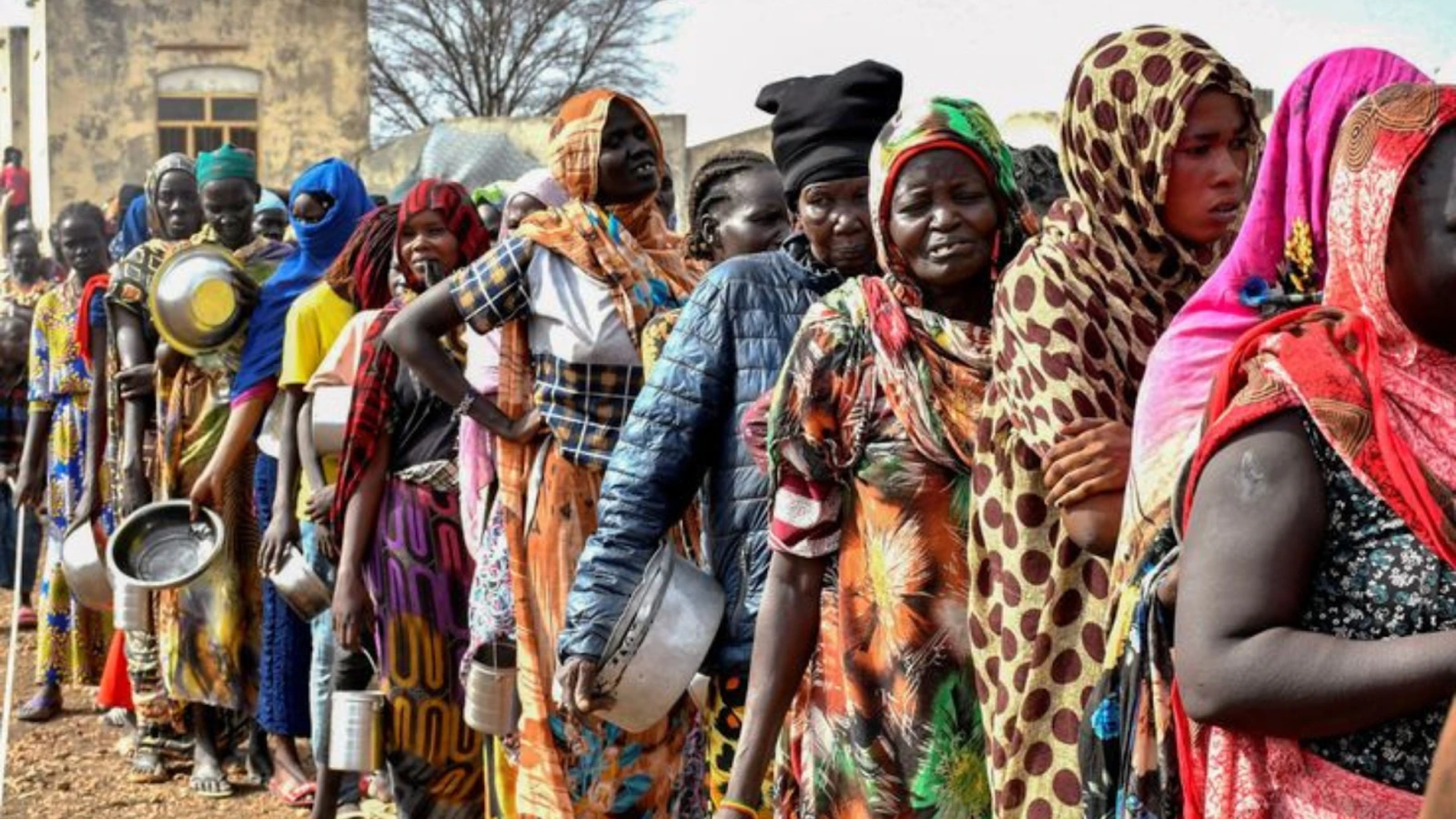
In Sudan, where conflict and hunger collide, collective kitchens have become powerful symbols of unity and hope. These kitchens are not just places where food is cooked, they are lifelines where survival, compassion, and dignity intersect. As millions face starvation and displacement, communities are coming together to prepare shared meals, nurture resilience, and protect the most vulnerable from the devastating grip of food insecurity.
According to UN OCHA, more than 30 million Sudanese need urgent humanitarian aid. With homes destroyed and markets in ruins, collective kitchens are emerging as grassroots solutions, fueled by community solidarity and humanitarian support from organizations like the Amel Foundation.
What Are Collective Kitchens?
Collective kitchens are community-run cooking spaces that prepare meals for displaced families and vulnerable groups. They are often established in schools, mosques, and camps, where displaced people have limited access to food and cooking tools. Volunteers, often women, pool together donated grains, vegetables, and oil to prepare hot meals for hundreds, sometimes thousands, each day.
These kitchens exemplify the strength of community resilience. In the face of scarcity, they maximize every resource, ensuring that no one eats alone. While the scale of the crisis is massive, the spirit of togetherness in these kitchens reminds the world that even amid despair, hope can be shared.
Why Sudan Needs Collective Kitchens Now More Than Ever
Sudan’s war has created one of the world’s largest displacement crises. Families have fled from Darfur, Khartoum, and Kordofan, leaving behind everything. Without stable income or access to markets, millions now depend on communal meals for survival.
The World Food Programme warns that one in three Sudanese faces severe food insecurity. Inflation has made basic items unaffordable, while the collapse of supply chains has caused acute shortages of flour, oil, and beans. In this chaos, collective kitchens offer more than food, they provide consistency, care, and a shared sense of humanity.
Each plate served represents a community’s refusal to surrender to hunger. It is a statement that even in war, dignity matters.
The Role of Collective Kitchens in Combating Food Insecurity
Food insecurity in Sudan is not merely a result of hunger; it’s a crisis of access, equity, and stability. Collective kitchens directly address these challenges by pooling resources and distributing meals efficiently. Rather than each family struggling alone, communities organize bulk cooking operations that reduce costs and wastage.
In displacement camps, where clean water and fuel are scarce, shared kitchens are safer and more sustainable. They also help ensure balanced nutrition for children and mothers who are most vulnerable to malnutrition. This model aligns closely with Amel Foundation’s Food Security Program, which focuses on empowering local communities to produce, prepare, and distribute nutritious meals during emergencies.
How Displacement Has Shaped the Rise of Collective Kitchens
Displacement changes not only where people live, but how they live. In Sudan, families forced to flee from bombed neighborhoods now live in makeshift tents with little means to cook. Many lack firewood, stoves, or even pots. The concept of collective kitchens emerged as a practical, compassionate response to these limitations.
In crowded camps across El Fasher, Nyala, and Port Sudan, women have organized to feed their communities. Using donations and aid supplies, they form kitchen teams that prepare large batches of meals like sorghum porridge, lentils, and vegetables. These efforts not only reduce hunger but rebuild a sense of local empowerment and control amid chaos.
Each kitchen becomes a small ecosystem, where displaced people contribute labor, share recipes, and find moments of comfort and familiarity. This is how Sudanese resilience takes form, one shared meal at a time.
Beyond Food: The Human Connection Behind Shared Meals
Every collective kitchen serves more than food it serves belonging. In the midst of displacement, where trauma and uncertainty dominate daily life, the act of sharing a meal becomes deeply healing. Eating together allows families to connect, exchange stories, and feel part of something larger than themselves.
Psychologists working in crisis zones note that communal spaces like kitchens restore mental well-being. They offer routine, comfort, and purpose especially for women and youth. Through these shared efforts, displaced families find not only nourishment but dignity.
Amel Foundation’s Emergency Relief Projects highlight this holistic approach addressing both physical hunger and emotional recovery through compassionate, community-driven initiatives.
Operational Challenges: Sustaining Hope Amid Scarcity
Despite their success, collective kitchens face immense operational challenges. The constant shortage of ingredients, cooking fuel, and utensils makes daily operations uncertain. In some areas, insecurity disrupts aid delivery and threatens the safety of volunteers.
Many kitchens rely on humanitarian partnerships to survive. When funding pauses or food deliveries are delayed, hundreds go hungry overnight. The situation becomes even more critical in remote or besieged regions, where access roads are blocked and communication networks are down.
To sustain their impact, these kitchens need consistent support, funding, and protection. The World Health Organization’s reports on Sudan confirm that local initiatives like collective kitchens play a crucial role in preventing malnutrition and disease outbreaks, yet they remain underfunded.
How Humanitarian Aid Strengthens Collective Kitchens
Local initiatives thrive when global solidarity stands behind them. NGOs and foundations are working hand in hand to strengthen Sudan’s collective kitchens through food supplies, cash assistance, and technical training. Organizations like the Amel Foundation are bridging local leadership with international humanitarian aid to ensure no community is left behind.
Training programs teach hygiene standards, safe cooking practices, and nutritional balance. These efforts turn ordinary kitchens into organized systems of emergency relief. In this way, every donated grain or vegetable becomes part of a larger mission to preserve life, health, and dignity in the face of disaster.
Women at the Heart of Sudan’s Collective Kitchens
Women are the backbone of collective kitchens across Sudan. From organizing supplies to cooking and distributing food, they lead with courage and compassion. In a country where gender inequalities often deepen during crises, these women-led kitchens are powerful examples of leadership and resilience.
Through their work, they protect their families and rebuild community trust. Many have transformed their skills into livelihoods, preparing meals not only for their neighborhoods but also for nearby shelters and hospitals. These kitchens also offer safe spaces for women to connect, share burdens, and restore hope in one another.
Their leadership echoes the mission of Amel Foundation’s Training and Development Program, which empowers women and youth to lead community-based recovery initiatives in times of crisis.
The Path Toward Sustainable Recovery
While collective kitchens are crucial for immediate survival, they also serve as stepping stones toward sustainable recovery. Once stability returns, these community hubs can evolve into cooperatives, local catering businesses, or training centers. Investing in them today builds the foundation for long-term self-reliance tomorrow.
Supporting these kitchens means more than feeding the hungry, it means strengthening the social fabric of a nation torn by war. It is about nurturing local empowerment so communities can eventually stand on their own.
Global donors, partners, and compassionate individuals can make this vision real through Amel Foundation’s donation initiatives, which channel support directly into community-driven projects that save lives and restore dignity.
A Call for Global Solidarity
The story of collective kitchens in Sudan is a story of human resilience. It shows that even in the darkest moments, people find ways to share, care, and rebuild. But solidarity cannot remain local. The world must respond with urgency and compassion.
Donor engagement, policy support, and advocacy are vital to ensure that no kitchen closes due to lack of resources. Every contribution from a single bag of flour to a full grant translates into hundreds of lives sustained.
As the Amel Foundation continues to serve war-affected communities across Sudan, it calls upon the world to stand with them. Because in every shared meal lies a shared humanity—and in every act of giving lies the power to heal a nation.

Comments are closed