
 Are you ready to help?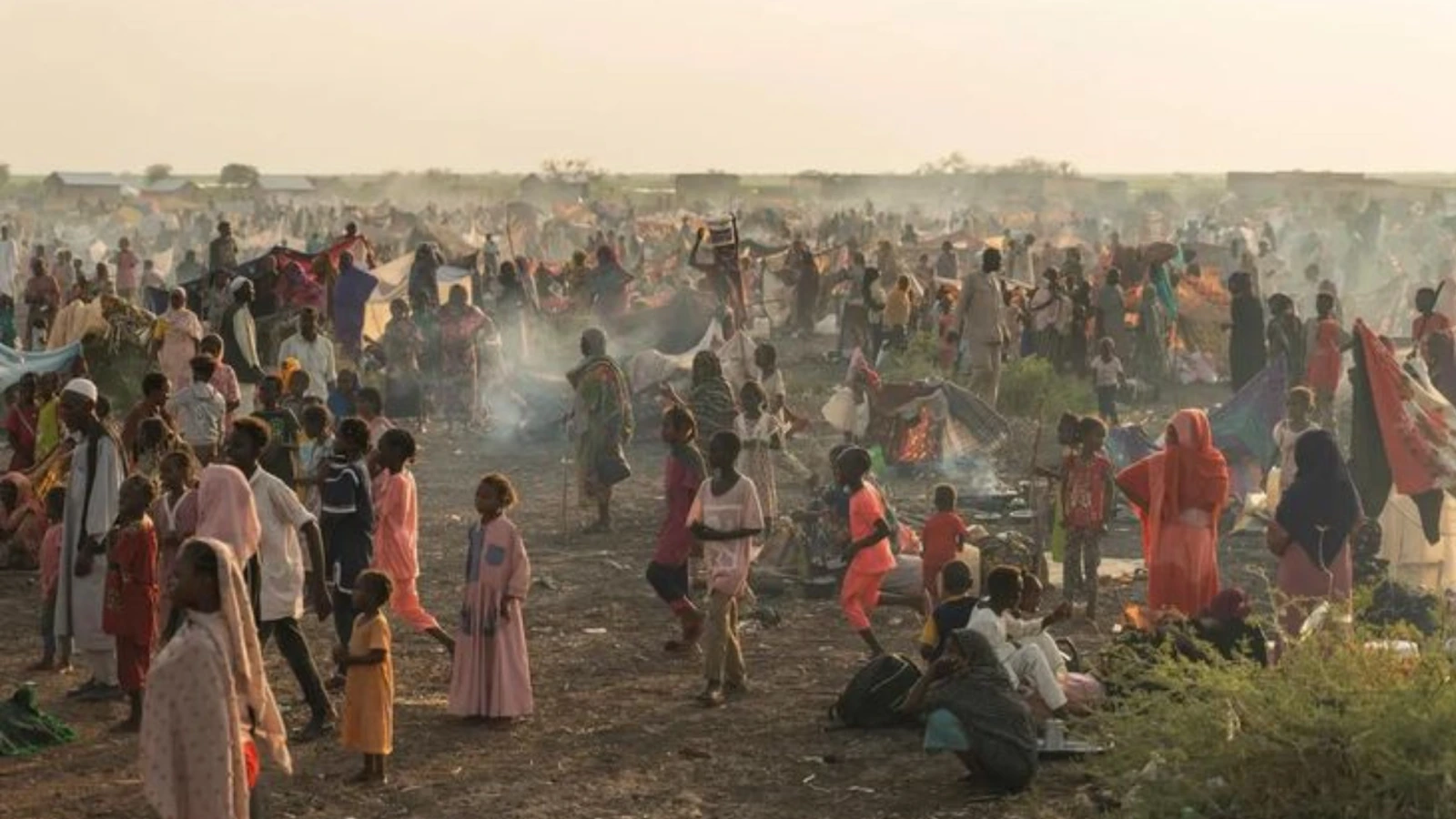
When conflict destroys homes, livelihoods, and entire communities, one of the most powerful ways to restore dignity is through work. Across Sudan’s war-affected regions, millions of families have lost not just their income but also their sense of stability and purpose. In this fragile landscape, income generation projects have become lifelines restoring self-reliance, empowering women, and helping families rebuild from the ground up.
The Human Cost Behind the Sudan Crisis
Sudan’s ongoing conflict has created one of the largest humanitarian emergencies in the world. According to the United Nations Office for the Coordination of Humanitarian Affairs (OCHA), over 25 million people now require humanitarian assistance, and more than 11 million have been displaced. These staggering numbers are not just statistics they represent farmers who can no longer plant, teachers who lost their classrooms, and small traders who once kept communities alive through local commerce.
The collapse of markets, loss of jobs, and inflation have deepened poverty nationwide. For displaced communities, economic recovery is nearly impossible without targeted interventions that bring opportunities directly to people in need.
Why Income Generation Projects Matter
In times of crisis, traditional humanitarian aid—like food and shelter—saves lives. But to sustain hope, communities need tools to rebuild their futures. That’s where income generation projects step in. By investing in vocational training, small business support, and agricultural recovery, organizations like the AMEL Foundation are transforming relief into resilience.
These projects help families generate sustainable livelihoods rather than relying solely on aid distribution. For example, women trained in tailoring or food processing are now providing for their children while contributing to local markets. This not only promotes community empowerment but also strengthens the overall economy within displaced and host communities.
Empowering Women: The Heart of Economic Recovery
In Sudan, women have always played central roles in family survival. During conflict, their resilience becomes even more visible. Yet, they face disproportionate challengesو limited mobility, cultural barriers, and loss of assets. Supporting women entrepreneurs is therefore one of the most effective strategies for poverty reduction and long-term recovery.
AMEL Foundation’s programs focus on skills that women can immediately use in crisis settings, such as small-scale food production, handicrafts, and community-based trade. By giving women access to microgrants, training, and mentorship, these initiatives not only increase financial resilience but also uplift entire households.
Recent World Bank research confirms that when women earn an income, they reinvest up to 90% of it into their families’ education, nutrition, and health creating ripple effects across generations.
Vocational Training: Skills That Restore Dignity
The war has shattered Sudan’s job market, especially for young adults who once dreamed of stable careers. In regions where factories are silent and farmland lies abandoned, vocational training gives people back the skills and confidence to rebuild.
Programs led by organizations like AMEL Foundation train youth and adults in areas such as tailoring, metalwork, and digital literacy. These practical skills translate into immediate job opportunities, allowing participants to contribute meaningfully to local economic revival.
By integrating psychological support and community dialogue within training sessions, the Foundation also ensures that participants heal emotionally while learning professionally a holistic model of recovery that blends humanitarian aid with long-term development.
The Link Between Livelihoods and Stability
Restoring livelihoods is not only about income, it’s about peace. When communities are able to meet their basic needs, tensions over scarce resources decline. In areas of displacement, local income generation projects can reduce dependency on external aid and foster cooperation between host and displaced populations.
The United Nations Development Programme (UNDP) highlights that community-based economic activities are key to preventing renewed conflict, as they promote shared goals and trust. By providing tools for sustainable livelihoods, AMEL Foundation helps transform vulnerable areas into self-reliant, peaceful communities.
Overcoming Challenges: The Reality on the Ground
Running income generation projects in a conflict zone is not easy. Access and security issues limit the movement of humanitarian staff and materials. Inflation erodes the value of small grants. And funding shortfalls often leave projects under-supported.
Despite these obstacles, local partnerships make the difference. AMEL Foundation’s emergency projects combine rapid humanitarian response with economic planning, ensuring that aid leads to independence rather than dependency. By engaging local leaders and women’s groups, these efforts remain culturally relevant and community-driven.
Stories of Resilience: Sudanese Communities Leading Change
Amid all hardship, stories of resilience emerge daily. In North Darfur, a group of displaced women turned an abandoned warehouse into a bakery cooperative.
In another region, a group of young men trained in solar energy installation are helping electrify displacement camps and nearby villages. Their work not only powers homes but also symbolizes hope, a reminder that job creation can spark both dignity and progress, even in crisis.
Collaboration for Greater Impact
No single organization can rebuild a nation alone. Effective income generation projects depend on collaboration among NGOs, international agencies, and local actors. Partnerships with entities like the United Nations High Commissioner for Refugees (UNHCR) and grassroots networks amplify impact through shared resources, training, and advocacy.
AMEL Foundation also partners with local schools, cooperatives, and health centers to ensure that every project aligns with broader community needs. This integrated approach connects livelihoods with healthcare access, education, and social stability creating a foundation for lasting change.
The Path Toward Sustainable Livelihoods
Sustainability lies at the core of every AMEL initiative. The Foundation doesn’t just launch projects, it nurtures them into independent community enterprises. Through mentorship and follow-up support, participants learn how to manage budgets, grow businesses, and adapt to shifting markets.
Over time, these programs evolve into local cooperatives that employ others, proving that small business support can rebuild not only incomes but entire social fabrics. Each project contributes to the wider vision of a self-sufficient Sudan—one where humanitarian aid transitions naturally into development and dignity.
Building Financial Resilience for the Future
The journey toward recovery is long, but financial resilience is the foundation that will help Sudan endure future challenges. As the world witnesses unprecedented displacement and climate shocks, empowering communities with stable incomes is one of the most future-proof forms of aid.
When donors contribute to AMEL Foundation’s donation programs, they are not only feeding a family for today, they are investing in generations of independence, dignity, and hope.
A Call to Empowerment
The world often sees Sudan through the lens of crisis. But within every camp and village are people determined to rebuild, to learn, to work, and to thrive again. Supporting income generation projects is more than an act of charity it’s an act of solidarity.
Every sewing machine, every training workshop, every small business that rises from the ashes of conflict is a step toward restoring humanity’s shared values of compassion and resilience.
Final Thoughts
Income generation is not just an economic strategy, it is a declaration of hope. In Sudan, where conflict has stripped millions of their livelihoods, rebuilding starts with opportunity. Through community empowerment, vocational training, and sustainable livelihoods, AMEL Foundation continues to help people rewrite their futures one skill, one job, one dream at a time.

Comments are closed