
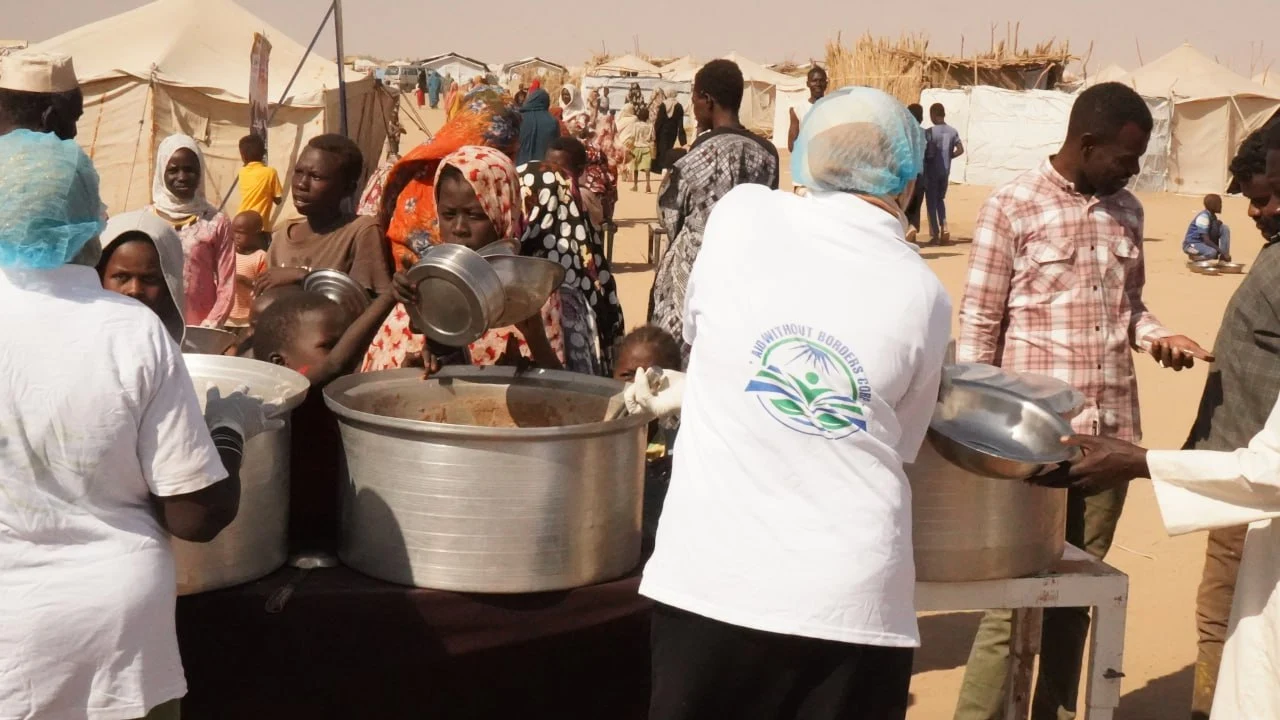
The Human Cost of the Sudan Crisis
The Sudan crisis has become one of the largest humanitarian emergencies in the world, yet it often receives far less attention than it deserves. Millions of families have been forced to leave their homes as violence, insecurity, and economic collapse continue to affect communities across the country. According to the UNHCR and the United Nations Office for the Coordination of Humanitarian Affairs, more than 14 million people have been displaced, making this one of the most severe displacement crises in modern history.
Children are carrying the heaviest burden of this tragedy. Many have lost parents, become separated from family members, or are now living in overcrowded shelters and camps. Thousands of vulnerable children face an uncertain future without stable access to food, healthcare, education, or protection. For people looking to donate to orphans, understanding the reality on the ground is the first step toward making a meaningful difference.
The scale of the crisis continues to grow while humanitarian resources struggle to keep pace. Every day that passes without adequate support places more children at risk. This is why immediate action from the global community remains essential.
Why Orphans Are Among the Most Vulnerable Victims
Children who lose one or both parents during conflict face challenges that extend far beyond grief. The loss of a caregiver often means losing access to shelter, food, education, healthcare, and emotional support at the same time. In crisis environments, these losses can quickly become life-threatening.
The Sudan crisis has created conditions where many children are forced to survive without the protection of a stable family environment. Some live with relatives who are already struggling to provide for their own households. Others become displaced multiple times as conflict spreads across different regions.
Without targeted humanitarian aid, these children face increased risks of malnutrition, illness, exploitation, child labor, and trafficking. Protecting them requires a coordinated response that addresses both immediate survival needs and long-term recovery.
For organizations like the AMEL Foundation, supporting orphan care means helping children rebuild a sense of safety, dignity, and hope even in the midst of extraordinary hardship.
Where Does Your Donation Go?
Many donors ask an important question before giving: what happens after they donate to orphans?
In humanitarian emergencies, donations are transformed into life-saving support. Financial contributions help provide emergency food supplies, medical assistance, clean water, hygiene materials, and safe shelter for displaced children and their caregivers. These essentials are often the difference between survival and tragedy.
In regions heavily affected by displacement, humanitarian organizations frequently use donations to combat severe acute malnutrition. According to UNICEF, malnutrition rates among children have reached alarming levels in several areas of Sudan. Nutritional treatment programs provide specialized therapeutic foods that can help children recover from life-threatening conditions.
Donations also support emergency health services. Mobile clinics, vaccination campaigns, and disease prevention initiatives help protect children from outbreaks of cholera, measles, dengue fever, and other illnesses that often spread rapidly in crowded displacement settings.
Creating Safe Spaces for Children
Physical survival is only one part of the response. Children affected by conflict often experience severe emotional trauma after witnessing violence, losing family members, or being forced to flee their homes.
Humanitarian organizations establish child-friendly spaces and protection centers where children can receive psychological support, engage in educational activities, and regain a sense of normalcy. These centers also help identify children who have become separated from their families and support reunification efforts whenever possible.
These protective environments play a critical role in preventing exploitation and helping children recover emotionally. For many displaced children, they represent one of the few safe places available during a period of immense uncertainty.
Is Orphan Sponsorship Better Than General Humanitarian Giving?
Many people interested in orphan sponsorship wonder whether supporting an individual child is more effective than contributing to a broader humanitarian fund.
While individual sponsorship models can work effectively in stable environments, active conflict zones present unique challenges. Families often relocate multiple times, communication networks break down, and humanitarian conditions change rapidly. Tracking a single child consistently can become difficult and, in some situations, unsafe.
This is why many humanitarian experts recommend flexible funding approaches during emergencies. General humanitarian funds allow organizations to respond wherever needs are greatest at any given moment. Resources can be redirected quickly toward food assistance, healthcare, shelter, water systems, or child protection programs depending on changing circumstances.
Flexible charitable giving enables aid workers to adapt rapidly and ensure that support reaches the largest number of children possible.
Supporting Families That Care for Orphans
One of the most effective approaches to orphan care involves strengthening families and communities rather than relying solely on institutional care.
Across Sudan, relatives, neighbors, and host families often step forward to care for orphaned children despite facing severe financial hardships themselves. Supporting these caregivers helps children remain connected to their culture, language, and community networks.
Programs that provide food, healthcare, livelihood support, and education assistance to host families create more sustainable outcomes for children. They strengthen entire communities while ensuring that orphaned children receive the care they need in familiar environments.
This community-based model reflects the resilience and solidarity that Sudanese families continue to demonstrate throughout the crisis.
Why Is Delivering Aid So Difficult?
Many people assume that donations can immediately reach those who need help. Unfortunately, humanitarian operations in Sudan face enormous obstacles.
Active conflict frequently disrupts transportation routes and prevents aid convoys from reaching affected communities. Roads may become inaccessible due to insecurity, damaged infrastructure, or administrative restrictions. Border crossings and humanitarian corridors can also face delays that slow the delivery of critical supplies.
The result is that millions of people remain difficult to reach despite ongoing humanitarian efforts. According to the World Health Organization, access challenges continue to affect the delivery of essential healthcare services in many conflict-affected areas.
Humanitarian workers themselves face significant risks while carrying out their missions. Local volunteers and aid staff often work under extremely challenging conditions to ensure assistance reaches vulnerable children and families.
The Challenge of Funding Gaps
Even when organizations have the expertise and capacity to respond, funding shortages remain a major barrier.
International humanitarian appeals for Sudan consistently receive only a portion of the funding required to meet identified needs. This forces organizations to make difficult decisions about which programs can continue operating and which populations can be reached.
Funding gaps can lead to reduced food distributions, limited healthcare services, and fewer protection programs for vulnerable children. For donors, this reality highlights why every contribution matters.
Consistent support helps humanitarian organizations maintain operations and reach more children before conditions worsen further.
How Can Donors Give With Confidence?
Transparency is a priority for responsible donors. People want to know that their contributions are making a measurable impact.
One important factor is choosing organizations with strong local partnerships. Local communities understand their own needs better than anyone else and often have the strongest access to affected populations. Partnerships between international actors and community-based organizations improve efficiency and accountability.
Another effective approach involves cash-based assistance programs. Rather than transporting large quantities of goods, organizations may provide verified families and caregivers with direct financial support. This allows them to purchase what their children need most while also helping local markets remain active.
Donors can also review publicly available humanitarian funding information through platforms maintained by organizations such as OCHA. Transparency mechanisms help ensure resources are used responsibly and effectively.
The Role of Trusted Humanitarian Organizations
Organizations with a long-term commitment to affected communities are often best positioned to deliver meaningful impact. The AMEL Foundation’s Orphans Program focuses on supporting children who have lost parental care while addressing their essential needs and long-term well-being.
In addition, initiatives focused on food security help ensure that vulnerable families and displaced children have reliable access to nutritious meals during times of crisis.
By supporting integrated programs that combine child welfare, nutrition, healthcare, protection, and education support, donors contribute to comprehensive solutions rather than temporary fixes.
Resilience, Hope, and the Power of Giving
Despite the immense challenges facing Sudan, stories of resilience continue to emerge every day. Families who have lost nearly everything still share their food with neighbors. Communities open their homes to orphaned children. Volunteers continue serving others despite personal hardship.
This strength demonstrates that the people of Sudan are not defined by crisis alone. They are defined by their determination to protect one another and build a future beyond conflict.
Why Your Decision to Donate Matters Today
The decision to donate to orphans is more than an act of generosity. It is a direct investment in the survival, protection, and future of children who have already endured unimaginable loss.
Every contribution helps expand humanitarian aid, strengthen orphan sponsorship initiatives, improve child welfare services, provide food assistance, and support vulnerable children affected by the Sudan crisis. Whether through emergency relief, healthcare, education support, or community-based orphan care programs, donations create opportunities for children to recover and thrive.
The needs remain urgent, but so does the opportunity to make a difference. By supporting trusted humanitarian efforts and raising awareness about Sudan’s ongoing crisis, donors become part of a global response that refuses to leave orphaned children behind. Together, compassionate action can help ensure that every child has the chance to grow up safe, healthy, and hopeful for the future.

Comments are closed