
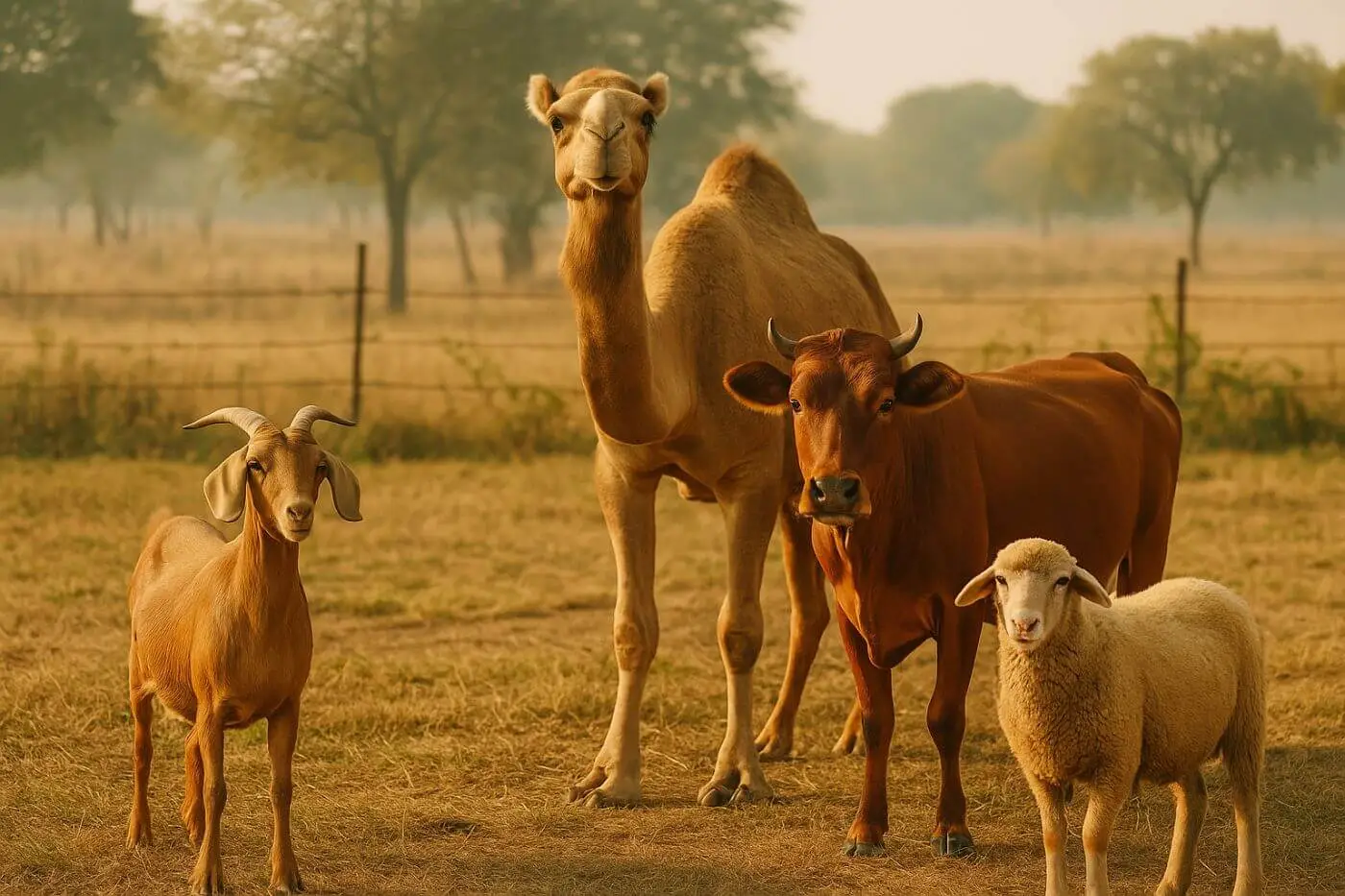
Sudan is living through one of the most severe humanitarian crises in the world today. More than 33 million people now need assistance, and millions have been forced to leave their homes. In this reality, traditions that once symbolized generosity and celebration have taken on a deeper meaning. Korbani, also known as Qurbani, is no longer just a ritual of Eid al-Adha charity. It has become a lifeline.
For humanitarian organizations like the , korbani donation represents something urgent and essential. It is a direct response to hunger, displacement, and loss. In a country where food systems have collapsed, a single act of sacrifice can mean survival for entire families.
A Crisis Beyond Numbers
The scale of the Sudan crisis is difficult to grasp. According to , Sudan is now the largest humanitarian emergency globally. Millions are internally displaced, while others have crossed borders in search of safety. The conflict has destroyed infrastructure, disrupted agriculture, and cut off access to basic services.
Food insecurity has reached alarming levels. Nearly half of the population is struggling to find enough to eat, and famine conditions have already been confirmed in some regions. In this context, food aid Sudan crisis interventions are not optional. They are the difference between life and death.
Korbani has stepped into this gap. What was once a seasonal act of giving is now a vital source of protein for communities facing prolonged hunger.
Can Korbani Meat Reach Famine Zones?
Reaching Isolated and Besieged Areas
Delivering meat in a war zone is far from simple. Areas like North Darfur and South Kordofan remain difficult to access due to ongoing violence and logistical barriers. Yet humanitarian actors continue to find ways to reach those most in need.
Through cross-border operations from neighboring countries, aid organizations are transporting livestock and distributing meat in targeted locations. These efforts align with broader Sudan humanitarian aid strategies that prioritize access to famine-affected populations.
The Role of Local Responders
Local networks play a critical role in making korbani distribution possible. Community-based groups, often referred to as Emergency Response Rooms, have become the backbone of aid delivery in many areas. They understand the terrain, the risks, and the needs of their communities.
By working with these groups, organizations can ensure that meat distribution Sudan efforts are both efficient and equitable. This collaboration also strengthens trust and ensures that assistance reaches those who need it most.
The Economic Collapse Behind the Crisis
Loss of Livelihoods and Livestock
Sudan’s economy has been deeply affected by conflict. Agriculture and livestock, which once supported millions, have been severely disrupted. Farmers have lost access to land, markets have been destroyed, and livestock populations have declined.
This makes sourcing animals for korbani increasingly difficult. Prices have risen sharply, and local supply chains have been weakened. As a result, many organizations now rely on regional sourcing or external support to sustain sacrifice donation Sudan programs.
The Funding Gap
Despite the scale of the crisis, funding remains limited. The United Nations has repeatedly highlighted a significant gap between the resources required and those received. According to , only a fraction of the needed funding has been secured.
This gap directly affects the ability to deliver aid, including korbani programs. Without sufficient support, millions risk being left without assistance during critical periods like Eid.
Displacement and the Changing Meaning of Eid
Celebrating Without a Home
For millions of displaced Sudanese, Eid no longer takes place in family homes or familiar neighborhoods. Instead, it is marked in overcrowded shelters and temporary camps. The sense of loss is profound.
Yet even in these conditions, communities come together. Families pool resources, share meals, and try to preserve the spirit of Eid. Korbani becomes a shared act, feeding not just one household but entire groups of people.
Restoring Dignity Through Tradition
Beyond its nutritional value, korbani carries emotional and cultural significance. It reconnects people to their faith and traditions at a time when so much has been lost. This sense of continuity can provide comfort and resilience.
Humanitarian experts increasingly recognize the importance of such practices. According to , maintaining cultural and social rituals can play a key role in supporting mental well-being during crises.
Redefining Korbani for Humanitarian Impact
Protein as a Lifeline for Children
Malnutrition is one of the most urgent challenges in Sudan. Hundreds of thousands of children are at risk of severe acute malnutrition, a condition that can be fatal if untreated. In this context, protein is not just food. It is medicine.
Korbani meat provides a critical source of protein that supports child development and recovery. Organizations are now integrating meat distribution into broader nutrition programs, aligning with guidance from .
Safe and Dignified Distribution
Delivering aid in conflict zones carries risks. Distribution points can become crowded, and vulnerable groups may face exploitation. Ensuring safety and dignity is therefore a priority.
Humanitarian organizations are adopting careful planning strategies, including staggered distributions and community oversight. These approaches help protect recipients while ensuring that support families in Sudan efforts remain effective and respectful.
The Role of Islamic Charity in Global Solidarity
Korbani is deeply rooted in Islamic tradition, emphasizing sacrifice, generosity, and care for others. In times of crisis, these values take on even greater importance. Islamic charity donation channels have become a powerful force in mobilizing support for Sudan.
Donors from around the world are choosing to donate Qurbani online, enabling faster and more efficient delivery of aid. This digital shift has made it easier for individuals to contribute, even from afar.
Organizations like the ensure that these contributions are used effectively. By managing the entire process from procurement to distribution, they maximize the impact of every donation.
The Journey of a Korbani Donation
Understanding how a korbani donation translates into real impact helps build trust and transparency. Each step, from selecting livestock to distributing meat, requires coordination and expertise.
This journey highlights the complexity behind what may seem like a simple act. It also underscores the importance of experienced organizations in delivering aid effectively.
Why Korbani Matters More Than Ever
In Sudan today, korbani is not just a religious obligation. It is a humanitarian intervention. It provides immediate relief in the form of food while also supporting long-term resilience by reinforcing community bonds.
The Eid sacrifice impact goes beyond nutrition. It restores dignity, strengthens social ties, and reminds people that they are not alone. In a crisis defined by loss, these elements are essential.
At the same time, the scale of need continues to grow. Without sustained support, the situation risks worsening further, especially as the agricultural season approaches and food shortages deepen.
A Collective Responsibility
The Sudan crisis is not just a regional issue. It is a global challenge that requires collective action. Governments, organizations, and individuals all have a role to play.
Through platforms like , people can contribute directly to life-saving programs. These contributions help expand food distribution, support healthcare services, and strengthen emergency response efforts.
Every korbani donation becomes part of a larger effort to address hunger and restore hope.
Conclusion: Holding On to Humanity
Sudan’s crisis is a test of global solidarity. It challenges the world to respond not just with resources, but with compassion and commitment. Korbani stands at the intersection of faith and action, offering a way to make a tangible difference.
Despite the hardship, the resilience of the Sudanese people remains strong. Communities continue to support one another, sharing what little they have. This spirit of solidarity is a powerful reminder of what humanity can achieve, even in the darkest times.
The responsibility now lies with the global community to match that resilience with action. Through continued support, advocacy, and awareness, it is possible to ensure that korbani remains not just a tradition, but a lifeline for millions in Sudan.

Comments are closed