
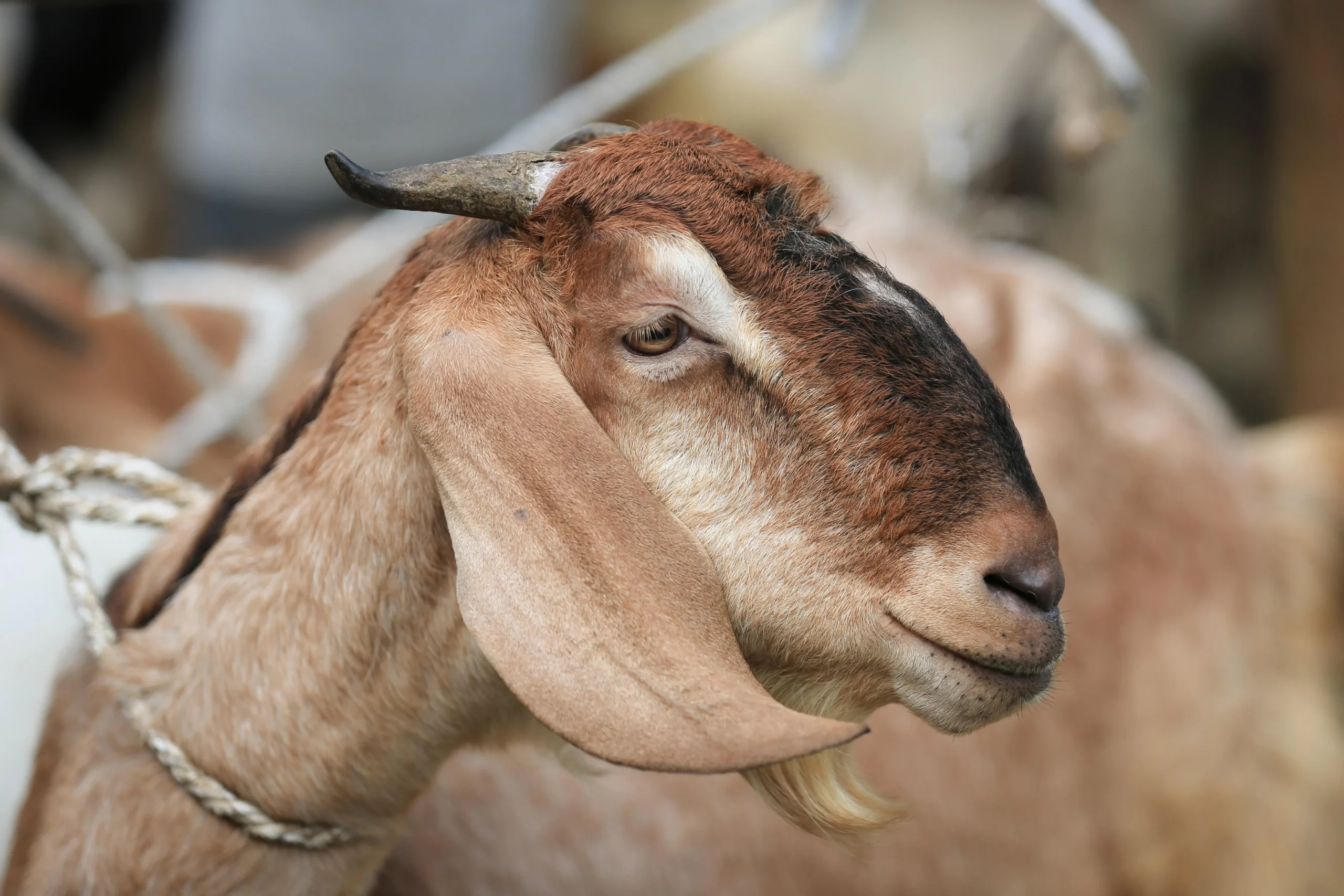
Eid Adha qurbani is known around the world as a sacred act of sacrifice, performed by millions of Muslims as a reflection of faith and devotion. Yet in 2026, this act carries a deeper urgency in places like Sudan, where the meaning of sacrifice is no longer symbolic. It is immediate, physical, and life-saving.
For millions facing hunger, displacement, and loss, qurbani is not just part of a celebration. It is a source of survival. Humanitarian experts at the AMEL Foundation emphasize that understanding the true value of qurbani today requires looking beyond tradition and seeing its direct impact on human lives.
The Meaning of Eid Adha Qurbani Today
A Sacred Tradition Rooted in Faith
The qurbani meaning comes from the story of Prophet Ibrahim, whose willingness to sacrifice is remembered every year during Eid. This story defines the significance of qurbani in Islam and continues to inspire acts of generosity and compassion.
However, the purpose of qurbani extends beyond remembrance. It is meant to ensure that no one is left behind during Eid. This principle becomes especially important in crisis zones, where families struggle to access even the most basic necessities.
When Ritual Meets Reality
In Sudan, Eid al-Adha sacrifice now takes place against the backdrop of one of the world’s largest humanitarian crises. According to the United Nations Office for the Coordination of Humanitarian Affairs, over 33 million people require assistance, with millions facing severe food shortages.
This reality transforms qurbani into a direct response to hunger. It becomes a way for communities to support each other and for donors worldwide to contribute to saving lives.
The Scale of the Crisis in Sudan
A Growing Humanitarian Emergency
Sudan is currently experiencing widespread displacement and food insecurity. Millions of families have been forced to leave their homes, often losing access to food, income, and healthcare.
The UNHCR Sudan Emergency Response highlights that millions remain in areas that are difficult to reach due to ongoing conflict. This makes every form of aid, including qurbani, even more critical.
Hunger as a Daily Reality
Food insecurity in Sudan has reached alarming levels. According to the World Health Organization, severe malnutrition affects hundreds of thousands of children, many of whom require urgent care.
In this context, the importance of animal sacrifice in Islam becomes clear. Qurbani meat provides essential nutrients that are often missing from regular aid distributions, making it a vital source of nourishment.
How Qurbani Reaches Communities in Need
The Role of Local Responders
Delivering qurbani in conflict zones is not simple. Local volunteers and community groups play a key role in ensuring that donations reach the most vulnerable. These groups often operate in areas where larger organizations cannot access.
Their work highlights the benefits of qurbani for communities, as it allows aid to be distributed quickly and directly to those who need it most.
Navigating Complex Logistics
Transporting and distributing qurbani meat requires careful planning, especially in areas affected by conflict. Organizations like the AMEL Foundation Qurbani Project manage sourcing, slaughter, and distribution to ensure safety and efficiency.
Despite rising costs and limited resources, these efforts continue because the need is urgent and ongoing.
The Economic Challenges Behind Qurbani
Rising Costs and Limited Access
Inflation and conflict have significantly increased the cost of livestock in Sudan. Many families can no longer afford to perform qurbani themselves, making external support essential.
This situation highlights the qurbani donation impact, as contributions from donors allow entire communities to benefit from a single act of sacrifice.
A Global Funding Gap
Humanitarian funding for Sudan remains insufficient. According to reports from the World Bank, economic instability continues to worsen living conditions.
This funding gap increases the importance of individual contributions. Qurbani becomes a way for people around the world to directly support those in need.
Who Benefits from Eid Adha Qurbani?
Prioritizing the Most Vulnerable
The qurbani distribution to the poor focuses on those facing the greatest hardship. This includes displaced families, children, and individuals living in extreme poverty.
By targeting these groups, qurbani ensures that aid reaches those who need it most, making it one of the most effective forms of humanitarian assistance.
Understanding Eligibility and Responsibility
Islamic sacrifice rules define who is eligible for qurbani and emphasize the importance of giving. For those who can afford it, performing qurbani is both a responsibility and an opportunity to make a difference.
In crisis contexts, this responsibility extends globally, allowing donors to support communities beyond their immediate surroundings.
The Impact of Qurbani on Health and Wellbeing
Addressing Malnutrition
Qurbani meat plays a critical role in improving nutrition. It provides protein, iron, and other essential nutrients that support growth and recovery, especially for children.
This makes qurbani an effective response to malnutrition, complementing other forms of aid and improving overall health outcomes.
Supporting Mental and Emotional Health
Beyond physical nourishment, qurbani also has a strong psychological impact. Sharing meals during Eid helps restore a sense of normalcy and community.
For families living in displacement camps, these moments provide hope and strengthen social connections, reinforcing resilience during difficult times.
The Role of Global Solidarity
Diaspora and Community Support
Sudanese communities around the world have played a key role in supporting qurbani efforts. Through donations and advocacy, they help ensure that the tradition continues even in the most challenging circumstances.
This collective action reflects the deeper purpose of qurbani, bringing people together to support those in need.
Leveraging Digital Solutions
With traditional systems disrupted, digital platforms have become essential for facilitating donations. The AMEL Foundation Food Security Program uses these tools to connect donors with communities in need.
This approach ensures transparency and efficiency, allowing more people to contribute to meaningful change.
A Call to Action: Turning Sacrifice into Support
Eid Adha qurbani in 2026 is more than a religious tradition. It is a direct response to one of the world’s most urgent humanitarian crises. For millions in Sudan, it represents hope, nourishment, and dignity.
The resilience of the Sudanese people continues to inspire, even in the face of immense challenges. Supporting qurbani efforts is one way to stand in solidarity with them and contribute to meaningful change.Through trusted organizations like the AMEL Foundation, donors can ensure that their contributions reach those who need them most. Every act of giving becomes part of a larger effort to save lives and restore hope.

Comments are closed