
Sudan is facing one of the most severe humanitarian crises in the world today. Since April 2023, armed conflict has pushed millions of families from their homes and left entire communities without food, clean water, or medical care. An ngo donation is no longer just an act of kindness. It is a lifeline that keeps children alive, supports mothers in crisis, and sustains hope in places where systems have collapsed.
More than 30 million people in Sudan now require urgent humanitarian assistance. According to the United Nations, this is the largest displacement emergency in the world, with millions forced to flee inside and outside the country. In this moment, global solidarity is not optional. It is essential.
The Scale of Sudan’s Humanitarian Emergency
The conflict between the Sudanese Armed Forces and the Rapid Support Forces has destroyed infrastructure, disrupted food systems, and blocked access to hospitals. As reported by the United Nations News, millions are facing acute hunger, and famine conditions have already been confirmed in parts of Darfur. These are not distant statistics. They represent families who have lost everything.
The UNHCR Sudan Situation Portal shows that over 14 million people have been displaced. Many are living in overcrowded camps without sanitation or reliable access to clean water. Disease outbreaks, including cholera, are spreading quickly in areas where healthcare systems have collapsed. In such conditions, emergency relief support becomes the difference between life and death.
Why an NGO Donation Matters Now More Than Ever
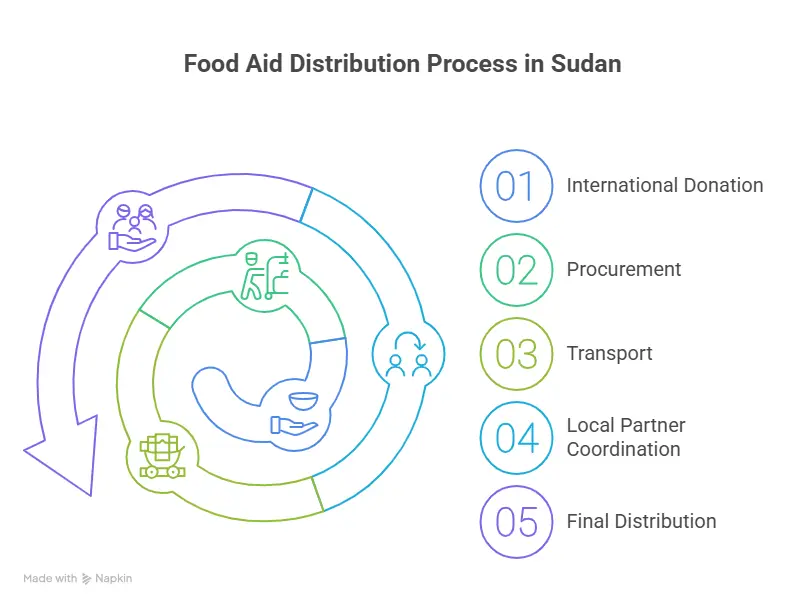
An ngo donation today directly fuels crisis response efforts that reach conflict-affected communities in the hardest-to-access regions. Humanitarian aid organizations are often the only actors able to move supplies across borders and deliver assistance in fragile environments. Without donations, these operations stop.
Funding gaps are dangerously high. Humanitarian appeals for Sudan remain severely underfunded, with only a small percentage of required funds secured for the year. As aid convoys face delays and access restrictions, local and international partners rely heavily on charity fundraising and individual donors to sustain operations. Every contribution strengthens the chain of survival.
How Humanitarian Aid Organizations Use Donations
When a donor contributes to a trusted humanitarian aid organization, funds are carefully allocated to urgent needs such as food, healthcare, shelter, and clean water. Transparency and accountability are central to maintaining public trust. Leading agencies publish detailed reports to ensure nonprofit transparency and responsible spending.
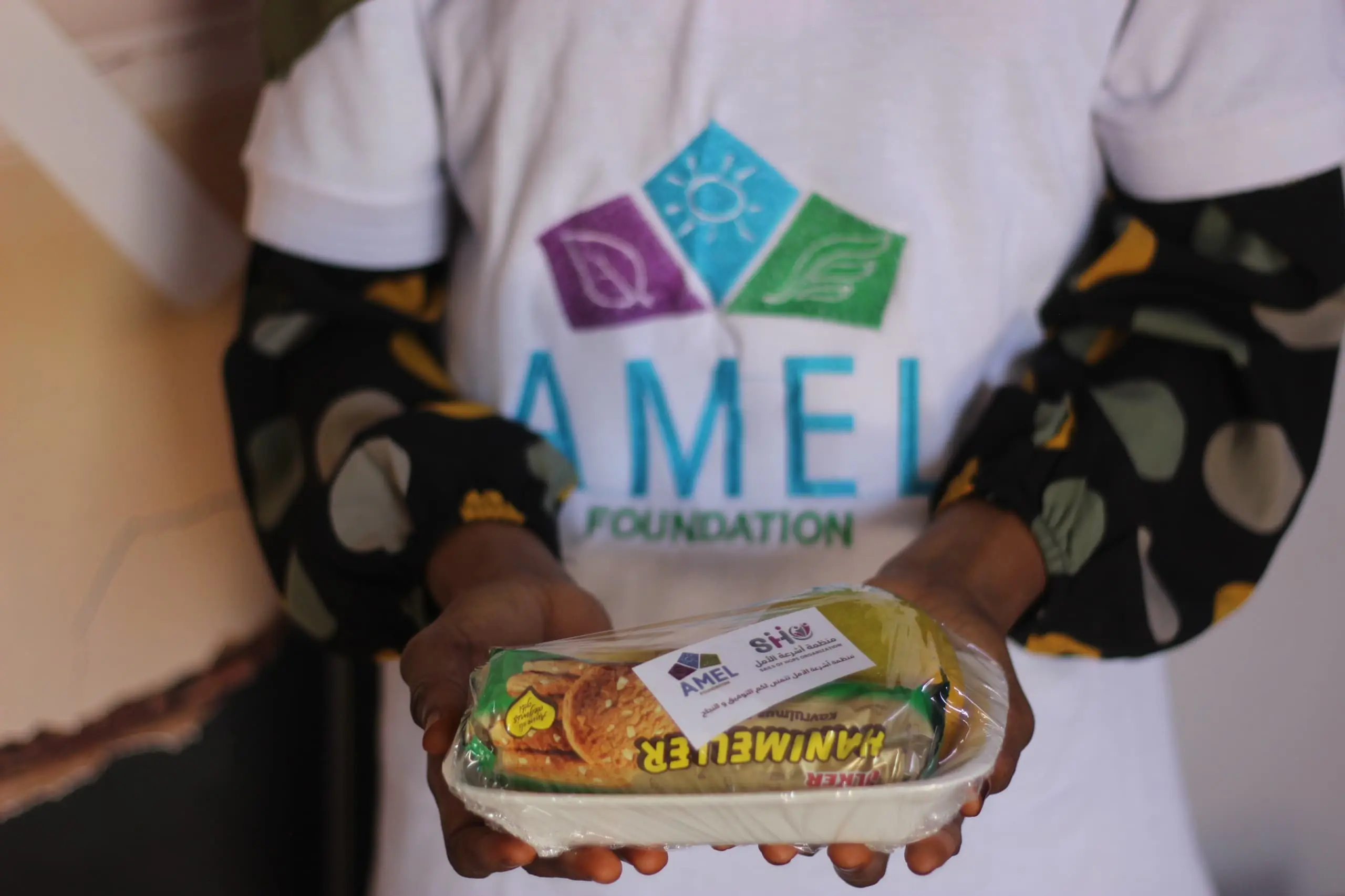
At AMEL Foundation, for example, donations support structured and targeted programs that prioritize dignity and long-term recovery. Through the Emergency Projects page, donors can see how funds are directed toward rapid response in crisis zones. This clarity helps supporters understand that their contributions are not abstract. They are measurable and impactful.
Food Insecurity and the Threat of Famine
Food insecurity in Sudan has reached catastrophic levels. The World Food Programme has warned that millions are at risk of starvation if supply chains continue to be disrupted. Families in some regions have resorted to skipping meals for days at a time, and children are suffering from severe acute malnutrition.
In areas affected by conflict, community kitchens that once fed thousands have closed due to lack of funding. An ngo donation helps reopen these life-saving services. Through sustainable aid initiatives, organizations aim not only to distribute emergency rations but also to support local food systems when stability allows. Immediate food assistance saves lives, while long-term programs restore independence.
Water, Sanitation, and Disease Prevention
Clean water is a basic human right, yet millions in Sudan lack access to safe drinking sources. Contaminated water and overcrowded camps have led to cholera outbreaks, placing children and the elderly at extreme risk. The World Health Organization crisis updates confirm that disease prevention efforts require urgent funding.
An ngo donation allows organizations to install water tanks, distribute hygiene kits, and rehabilitate damaged wells. AMEL Foundation’s Water Projects focus on restoring access to clean water in vulnerable communities. These interventions reduce disease transmission and protect families from preventable illness.
Healthcare Services in Conflict Zones
Healthcare facilities in many parts of Sudan have been destroyed or abandoned. Medical staff have fled violence, and essential supplies are scarce. In remote areas, pregnant women and injured civilians often have no access to professional care.
Emergency relief support in healthcare includes mobile clinics, trauma treatment, vaccination campaigns, and maternal health services. Donations ensure that medicines, equipment, and trained personnel reach those most in need. Through healthcare-focused initiatives, humanitarian partners help stabilize fragile communities and reduce avoidable deaths.
Supporting Displaced Families Across Borders
Sudan’s crisis extends beyond its borders. Millions have fled to neighboring countries such as Chad, Egypt, and South Sudan. Refugee camps are under immense pressure, with limited resources to accommodate new arrivals. According to international relief data, regional response plans require billions in funding to maintain even basic services.
An ngo donation supports shelter construction, psychosocial services, and protection programs for women and children. Grassroots humanitarian work led by local volunteers and community leaders ensures that aid is culturally sensitive and responsive. Even in displacement, Sudanese families demonstrate resilience, supporting one another in shared spaces.
The Importance of Nonprofit Transparency
In times of crisis, trust is critical. Donors need assurance that their contributions are used ethically and efficiently. Reputable humanitarian aid organizations maintain strict monitoring systems and publish financial breakdowns to uphold nonprofit transparency.
AMEL Foundation’s About Us page outlines its mission, values, and operational approach. By sharing clear information about project implementation and financial stewardship, the organization builds confidence among supporters. Transparent reporting strengthens long-term relationships between donors and the communities they help.
Long-Term Recovery and Community Impact Programs
While emergency response is urgent, long-term recovery must not be overlooked. Conflict-affected communities require support to rebuild livelihoods, restore schools, and revive local markets. Sustainable aid initiatives bridge the gap between relief and recovery.
Community impact programs often include vocational training, small business grants, and agricultural support. These efforts help families regain stability and reduce dependency on external aid. Through consistent ngo donation streams, organizations can plan beyond immediate survival and invest in resilience.
Why the World Must Act Now
Sudan’s crisis is not temporary. Without decisive global support, the situation risks deepening into prolonged famine and instability. International attention can fade, but the suffering on the ground continues daily. Children born into this conflict deserve a future defined by opportunity, not hunger.
Donors play a powerful role in shaping that future. When individuals choose to donate to Sudan through credible organizations, they amplify crisis response efforts and protect the dignity of vulnerable populations. Even modest monthly contributions provide predictable funding that strengthens planning and rapid deployment.
The Role of AMEL Foundation in Humanitarian Response
AMEL Foundation stands alongside other humanitarian actors to provide practical, accountable, and compassionate support. Its emergency, food security, water, and healthcare programs respond directly to needs identified on the ground. The organization prioritizes listening to community voices and adapting interventions accordingly.
Through targeted charity fundraising and strategic partnerships, AMEL Foundation channels resources where they are most effective. By aligning with trusted networks and local volunteers, it ensures that assistance reaches those who might otherwise be overlooked. This model of grassroots humanitarian work strengthens both efficiency and community ownership.
A Shared Responsibility
An ngo donation is more than a financial transaction. It is a statement that human lives matter, regardless of geography or politics. In Sudan, families continue to endure unimaginable hardship with courage and solidarity. Their resilience inspires global action.
Now is the time to stand with them. Through informed giving, transparent partnerships, and sustained commitment, the international community can prevent further loss and restore hope. Sudan’s future depends not only on peace negotiations but also on collective humanitarian support.
The call is clear. Donate to Sudan through credible organizations, support sustainable aid initiatives, and remain engaged in advocating for long-term solutions. In moments of crisis, compassion must move beyond words and become action.

Comments are closed