
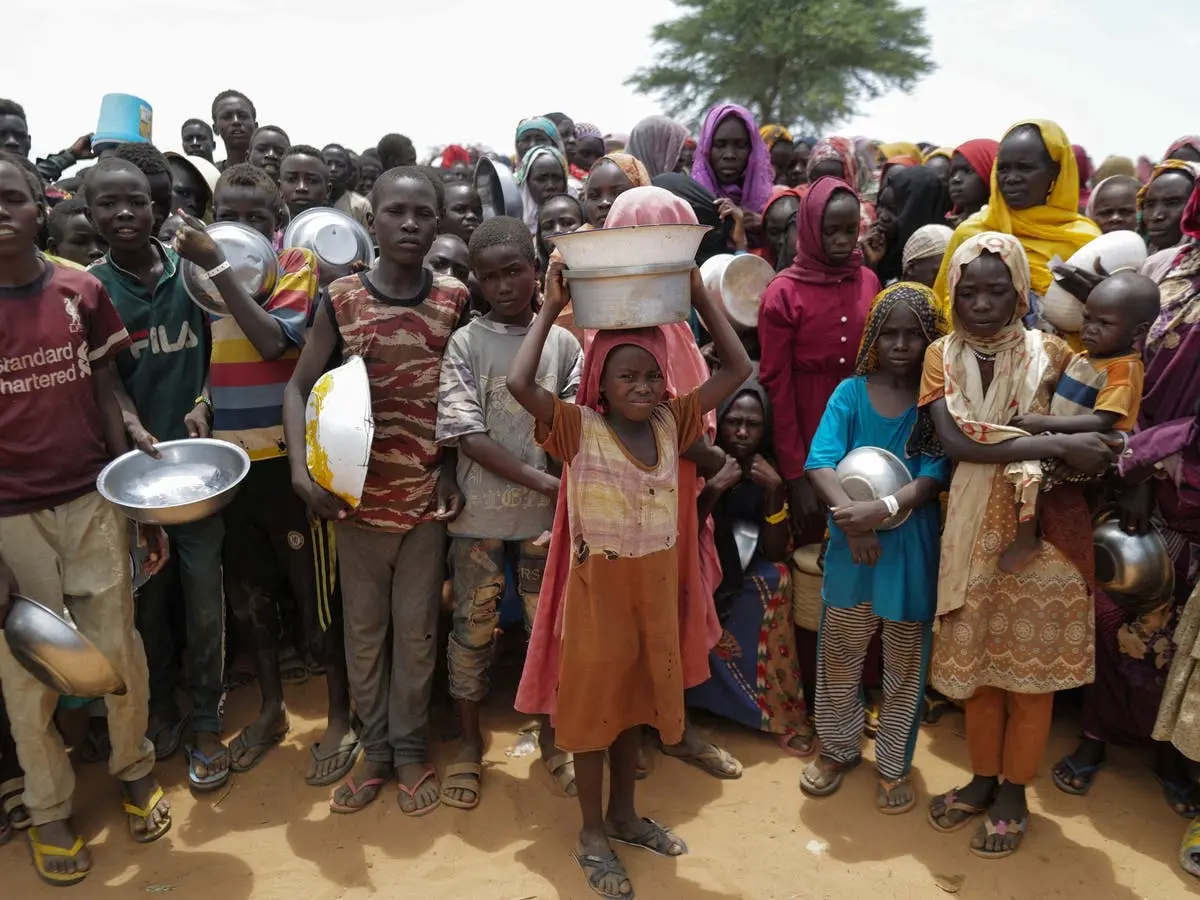
Famine is not just extreme hunger. It is the final and most dangerous stage of a long breakdown in food systems, safety, and protection. When people ask, “what is famine,” they are often looking for a famine definition that explains more than empty stomachs. Famine signals that families can no longer find food, children are dying from preventable causes, and communities are collapsing under pressure.
Today, the world is witnessing one of the most severe examples of famine in Sudan. War, displacement, and economic collapse have combined to create a humanitarian crisis that is pushing millions to the edge of survival. Understanding what famine truly means is the first step toward stopping it.
The Famine Definition: More Than Hunger
The technical famine definition is based on clear global standards. According to the Integrated Food Security Phase Classification system used by agencies like the World Food Programme, famine is declared when at least 20 percent of households face extreme food shortages, 30 percent of children suffer from acute malnutrition, and deaths exceed two people per 10,000 every day.
These numbers may sound clinical, but they represent real lives. They describe mothers who skip meals for days, children whose bodies become too weak to fight disease, and communities where burial grounds grow faster than crops. Famine is not a sudden event. It is the result of prolonged food insecurity, broken systems, and blocked assistance.
In Sudan, these thresholds have been reached in parts of North Darfur and Kordofan. The confirmation of famine in areas like El Fasher is not just a warning. It is proof that survival systems have failed.
What Causes Famine?
Drought and Conflict
The causes of famine are rarely simple. Natural disasters such as drought can reduce harvests and livestock. However, drought alone does not usually create famine. It becomes deadly when combined with conflict, poverty, and political instability.
In Sudan, drought and conflict have created a dangerous cycle. Fighting between armed groups has destroyed farmland, disrupted markets, and forced farmers to flee. Crops cannot be planted. Supply routes are blocked. Food prices rise beyond what families can afford. Over time, hunger deepens into crisis.
The International Food Policy Research Institute has warned that without access and peace, famine risks spreading to many more areas. Conflict turns manageable food shortages into catastrophic hunger.
Economic Collapse and Market Failure
Famine is also tied to economic breakdown. When inflation rises sharply and livelihoods disappear, families lose the ability to buy food even if it is available. Markets in Sudan have collapsed in many regions. Transportation routes are unsafe. Traders cannot move goods freely.
This creates a situation where food may exist in one area while children starve in another. Hunger becomes a matter of access, not only supply. As the humanitarian aid response struggles to reach frontline areas, the gap between need and assistance grows wider.
The Scale of Famine in Sudan
The famine in Sudan is now considered one of the worst humanitarian emergencies in the world. According to the United Nations, more than 24 million people face acute food insecurity. Millions of them are in emergency or catastrophic conditions.
This is not a short-term shortage. It is a prolonged malnutrition crisis affecting children, pregnant women, and elderly people. Health systems have collapsed. Diseases such as cholera spread quickly in overcrowded areas where clean water and sanitation are limited.
More than 14 million people have been displaced. Families leave their homes not only because of violence, but because of hunger. Displacement and hunger feed each other, creating deeper instability and fear.
How Famine Affects Children
Children are always the first and worst affected. In famine conditions, small bodies cannot survive long without nutrients. Acute malnutrition weakens immunity, making simple infections deadly.
Reports from the humanitarian situation analysis show rising cases of severe wasting among children under five. Clinics report that many children arrive too late for treatment.
A malnutrition crisis also damages long-term development. Children who survive famine may struggle with learning difficulties and chronic health problems. The impact of famine can shape a generation, not just a moment.
Displacement and Hunger
Famine often leads to mass movement. When families can no longer grow food or find work, they leave. Sudan now faces the world’s largest displacement emergency. Data from UNHCR shows millions of internally displaced people living in camps or informal shelters.
In these overcrowded sites, food supplies are limited and sanitation is poor. People depend entirely on emergency relief efforts. When aid convoys are delayed or blocked, hunger worsens quickly.
Displacement also breaks community support systems. Extended families are separated. Social networks that once helped share food or resources disappear. Famine is therefore not only about calories. It is about the loss of stability and dignity.
Barriers to Humanitarian Aid Response
Humanitarian agencies are working to reach those in need, but access remains one of the biggest challenges. Fighting blocks roads. Convoys are sometimes looted. Bureaucratic restrictions slow down delivery.
According to Action Against Hunger, Sudan has become the world’s hungriest country. Yet funding for the response plan remains critically low. Without safe and consistent access, even well-funded programs cannot operate effectively.
Aid shortages mean food rations are reduced. Medical supplies run out. Therapeutic feeding programs for children cannot expand at the pace required. The humanitarian crisis becomes deeper with each delay.
The Role of Emergency Relief Efforts
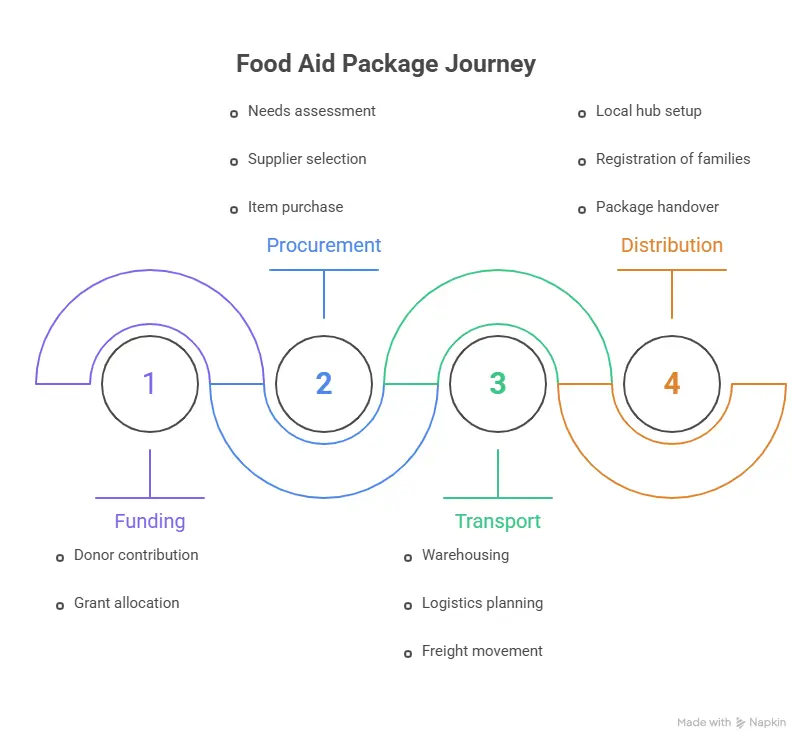
Emergency relief efforts focus on immediate survival. This includes distributing food baskets, providing cash assistance, offering clean water, and treating severe malnutrition.
The AMEL Foundation’s emergency programs aim to respond quickly in times of crisis. Rapid support can mean the difference between life and death for a child in severe hunger. Timely intervention prevents a food shortage from turning into famine.
At the same time, sustainable food security programs are essential. Through initiatives like food security projects, communities can rebuild farming systems and strengthen resilience against future shocks. Emergency aid must connect with long-term recovery.
Why Famine Is a Systemic Failure
Famine does not happen because people are lazy or incapable. It happens when systems collapse. Conflict disrupts agriculture. Markets fail. Health services stop functioning. International support arrives too slowly.
In Sudan, war has intensified every existing weakness. As the World Food Programme reports, food stocks risk depletion without urgent funding. Lean seasons, when harvests are low, threaten to push even more areas into catastrophic hunger.
Recognizing famine as systemic failure helps shift responsibility away from victims. The Sudanese people are resilient. Communities share what little they have. Neighbors protect one another. But resilience alone cannot replace functioning systems.
What Can Prevent Famine?
Prevention requires three essential actions: access, funding, and stability. Humanitarian corridors must remain open so aid can reach remote areas. Funding must meet the scale of need. Conflict must be reduced to allow farmers to return to their land.
Early warning systems also play a critical role. Monitoring food insecurity levels helps agencies respond before thresholds are crossed. The goal is always to intervene during crisis levels, not wait for famine declarations.
Investment in water, healthcare, and livelihoods strengthens protection against future shocks. Programs that combine emergency relief with development work create lasting impact.
The Human Face of Famine
Behind every statistic is a family. A mother walking for hours to find a feeding center. A father who lost his farm to fighting. A child who has never known a year without hunger.
When discussing what is famine, it is important to remember that famine is not only a technical classification. It is lived experience. It is exhaustion, fear, and uncertainty. Yet even in the darkest conditions, Sudanese communities continue to show courage and solidarity.
Local volunteers support distribution efforts. Teachers continue informal lessons in displacement camps. Health workers operate with limited supplies. Their resilience deserves global attention and support.
Why Global Action Matters Now
The current famine in Sudan is not isolated. It affects regional stability and global humanitarian systems. As needs grow, resources are stretched thin. Delays in action increase both human suffering and long-term recovery costs.
Donor engagement can sustain food pipelines and therapeutic feeding programs. Advocacy can push for safe access and ceasefires. Awareness can reduce misinformation and mobilize collective responsibility.
The AMEL Foundation believes that informed compassion leads to meaningful action. Understanding what famine truly means empowers individuals and communities to respond with urgency and purpose.
Conclusion: Understanding and Acting on What Is Famine
Famine is the most severe stage of hunger. It occurs when food insecurity, conflict, economic collapse, and displacement combine to create catastrophic conditions. In Sudan, confirmed famine zones show how quickly systems can fail when violence blocks assistance and markets collapse.
Millions now face acute hunger. Children suffer from severe malnutrition. Families are forced to flee their homes. Yet with coordinated humanitarian aid response, sufficient funding, and sustained global attention, famine can be prevented from spreading further.
Understanding what is famine is not only an academic exercise. It is a call to action. Through emergency relief efforts, long-term food security programs, and collective advocacy, the world can stand with the Sudanese people and protect lives before more communities cross the famine threshold.

Comments are closed