
Poverty facts are often presented as numbers on a page, but behind every number is a human life. In Sudan today, poverty is not just an economic condition. It is a daily struggle for food, safety, healthcare, and dignity. The civil war that began in April 2023 has deepened suffering across the country and pushed millions into extreme hardship.
According to recent global poverty statistics, Sudan is now facing one of the worst humanitarian emergencies in the world. Nearly two-thirds of the population requires urgent assistance. These poverty facts are not distant figures. They describe families who have lost their homes, children who cannot attend school, and communities fighting to survive under constant uncertainty.
At the AMEL Foundation, poverty is understood not only as a lack of income but as a lack of opportunity, protection, and basic services. By examining the true scale of the crisis, it becomes clear why urgent and sustained action is necessary.
The Scale of Poverty in Sudan Today
Sudan’s current crisis combines armed conflict, economic collapse, and mass displacement. According to the United Nations reporting on Sudan’s humanitarian emergency, more than 30 million people now require assistance. This represents one of the highest levels of humanitarian need recorded in recent years.
The extreme poverty rate has risen sharply as markets have collapsed and livelihoods have disappeared. Families who once depended on farming or small businesses have seen their income vanish almost overnight. Prices of food and fuel have multiplied, making even basic items unaffordable for many households.
Economic inequality data shows that conflict deepens poverty in the fastest and most devastating way. When infrastructure is destroyed and supply chains break down, the poorest communities suffer first and most severely. These poverty facts highlight how quickly stability can unravel when violence spreads.
Conflict and Displacement: A Direct Path to Poverty
One of the clearest poverty facts in Sudan is the link between conflict and displacement. Since the outbreak of fighting between the Sudanese Armed Forces and the Rapid Support Forces, over 14 million people have been forced from their homes. Many have fled multiple times, searching for safety.
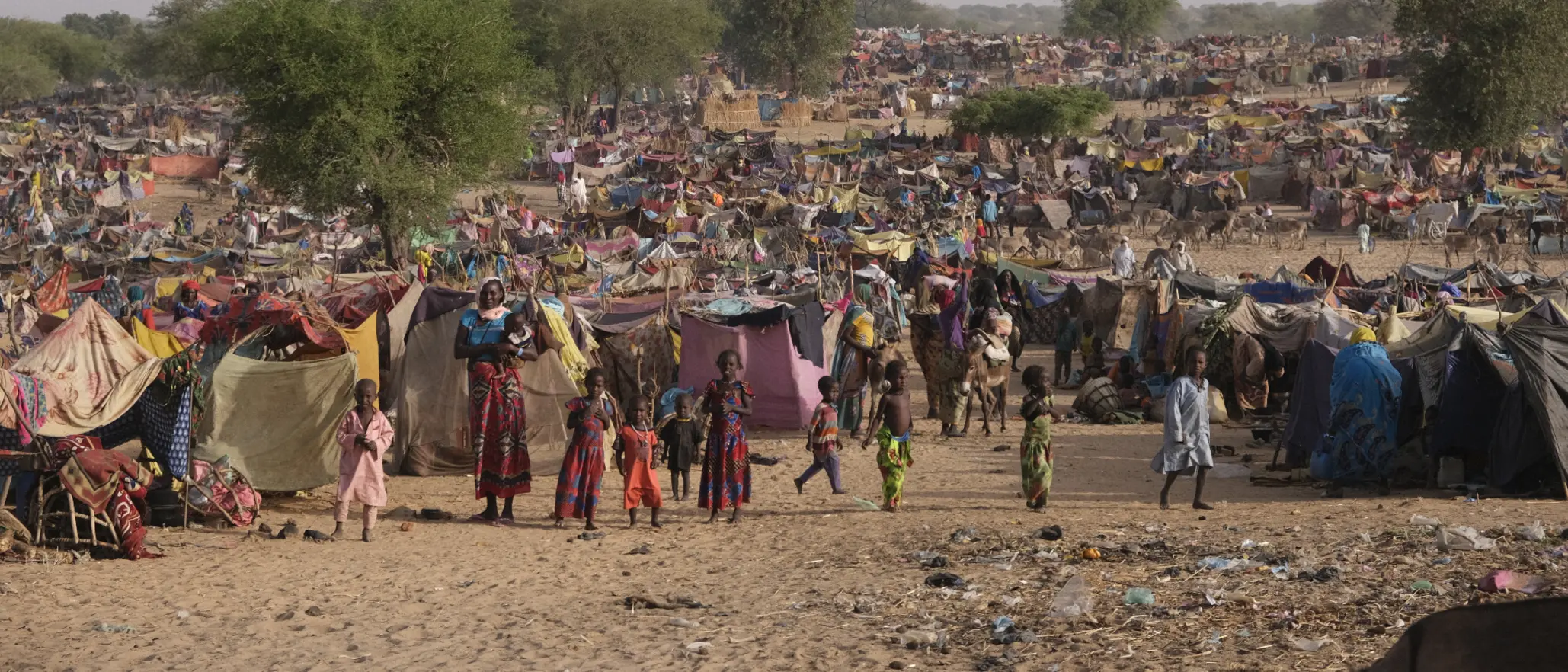
As described by Migration Policy Institute analysis of Sudan’s displacement crisis, this is now the world’s largest displacement emergency. Entire communities have been uprooted, and families are living in overcrowded camps or informal shelters with limited services.
Displacement strips people of income, land, and stability. When a farmer leaves his field or a shopkeeper leaves her store, the loss is immediate and long-term. Poverty becomes not just a temporary hardship but a lasting reality.
Hunger and the Food Insecurity Crisis
Hunger is one of the most painful poverty facts emerging from Sudan. More than 21 million people face acute hunger, and famine conditions have been confirmed in parts of North Darfur and Kordofan. The World Food Programme’s emergency updates on Sudan describe how conflict and blocked access routes are preventing food from reaching those in need.
The food insecurity crisis is not caused only by lack of food. It is also driven by destroyed farms, looted markets, and soaring prices. Many families now survive on one small meal per day. Parents often skip meals so their children can eat.
Child malnutrition rates are rising at an alarming pace. Over three million children under five are at risk of acute malnutrition. Without immediate intervention, this level of hunger will have lifelong consequences for physical and mental development.
The Human Cost of Malnutrition
Malnutrition weakens children’s immune systems and makes them more vulnerable to disease. In conflict zones, where healthcare systems have collapsed, this risk becomes even greater. Poverty facts about hunger are not just about empty plates; they are about stunted growth, delayed learning, and preventable deaths.
In many communities, mothers walk for hours to reach feeding centers. The AMEL Foundation supports food distribution through its Food Security projects, ensuring that vulnerable families receive essential nutrition during the worst months of crisis. Yet the scale of need remains overwhelming.
Disease Outbreaks and Health System Collapse
Another critical poverty fact in Sudan is the collapse of the healthcare system. According to the World Health Organization’s situation reports, cholera outbreaks have affected multiple states, with thousands of reported cases.
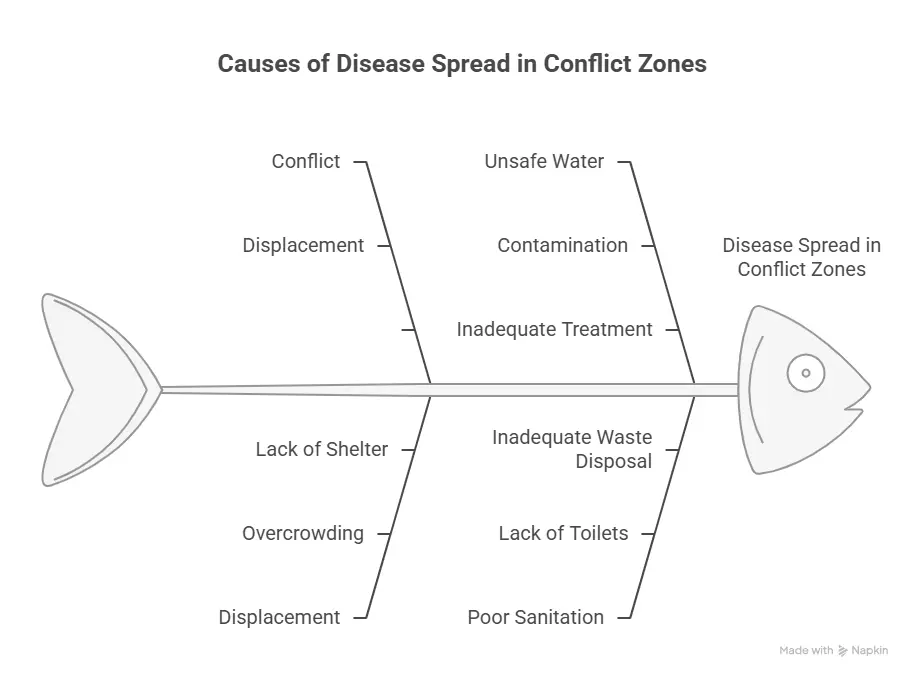
When 80 percent of hospitals in conflict zones are no longer functioning, preventable diseases spread quickly. Malaria, measles, and waterborne illnesses are rising, particularly in displacement camps where sanitation is poor.
Access to clean water has become a daily challenge for many families. Contaminated water sources increase the risk of cholera and other diseases. The AMEL Foundation’s Water projects focus on restoring safe water access, helping to prevent outbreaks and protect vulnerable communities.
Funding Gaps and Humanitarian Crisis Response
Despite the scale of need, humanitarian funding remains far below what is required. The United Nations has appealed for billions of dollars to support Sudan, yet major funding plans are severely underfunded. This gap directly affects food rations, medical supplies, and shelter programs.
Humanitarian crisis response is often blocked by insecurity. Aid convoys face attacks or administrative restrictions. Shifting frontlines make it dangerous for organizations to deliver supplies. These barriers delay assistance and deepen poverty.
At the AMEL Foundation, emergency programs are designed to respond quickly to changing needs. Through its Emergency response initiatives, the organization provides food, medical care, and protection services. However, sustained donor support is essential to expand these efforts.
Women and Children at Highest Risk
Poverty facts consistently show that women and children bear the greatest burden during crises. In displacement camps, women face increased risks of violence and exploitation. Girls are more likely to be forced into early marriage when families cannot afford basic necessities.
Children who are separated from their families are particularly vulnerable. Without access to education, they face long-term economic hardship. Conflict and displacement disrupt not only the present but also the future of an entire generation.
Community resilience programs play a key role in reducing these risks. By supporting education, vocational training, and protection services, organizations help families rebuild stability. Poverty cannot be reduced through food alone; it requires long-term investment in people.
Economic Collapse and Rising Inequality
Sudan’s economic collapse has accelerated the rise in poverty. Inflation has eroded savings, and many banks and businesses have shut down. Salaries, when paid, are often insufficient to cover basic costs.
Economic inequality data reveals that conflict widens the gap between those with resources and those without. Urban and rural communities alike are struggling, but remote regions face even greater isolation.
These poverty facts demonstrate why sustainable development goals cannot be achieved without peace and stability. Humanitarian aid addresses immediate suffering, but long-term recovery depends on rebuilding institutions and restoring livelihoods.
Resilience Amid Devastation
Despite overwhelming hardship, the resilience of the Sudanese people remains strong. Families share limited resources with neighbors. Local volunteers organize informal support networks to distribute food and information.
The AMEL Foundation’s history, outlined on its Our History page, reflects years of partnership with communities in crisis. Local leadership and trust are essential for effective aid delivery.
Resilience does not erase poverty, but it provides a foundation for recovery. When communities are supported with dignity and respect, they can begin to rebuild their lives even in the midst of conflict.
Why Poverty Facts Demand Global Action
The poverty facts emerging from Sudan are clear and urgent. Over 30 million people need assistance. More than 14 million have been displaced. Millions face hunger, disease, and extreme insecurity.
These are not isolated statistics. They are signs of a crisis that, without sustained international attention, will deepen further. Global poverty statistics show that conflict is one of the fastest drivers of extreme poverty. Sudan is a powerful and painful example of this reality.
Immediate global action must include increased humanitarian funding, protection of civilians, and support for long-term recovery. Donors, governments, and individuals all have a role to play in ensuring that aid reaches those who need it most.
Moving From Awareness to Action
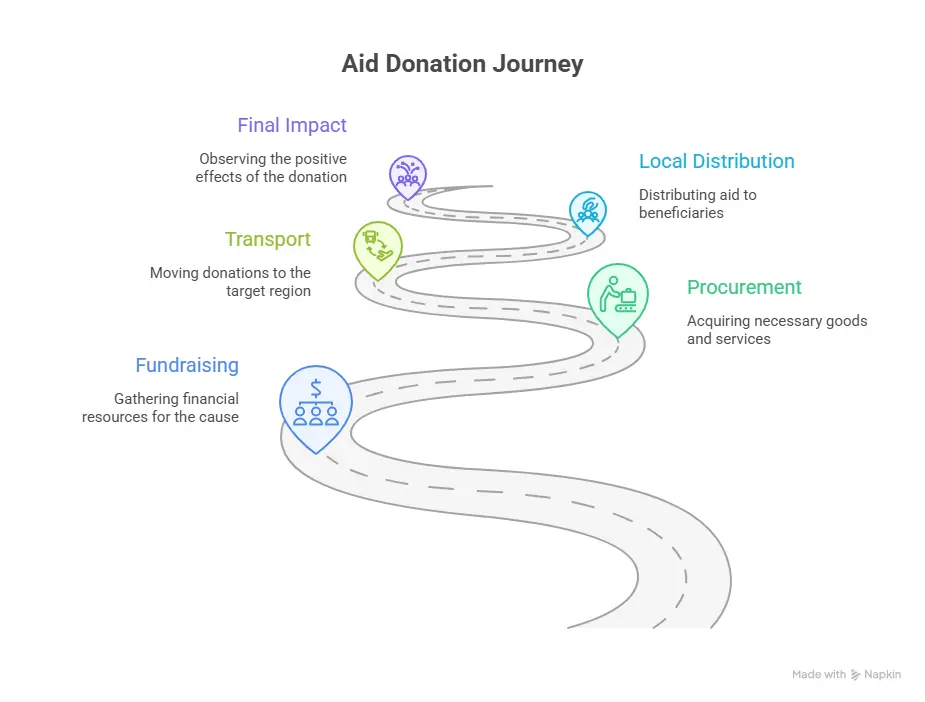
Understanding poverty facts is the first step. The next step is action. Supporting credible organizations ensures that assistance reaches vulnerable communities efficiently and transparently.
Through its healthcare, water, and food security initiatives, the AMEL Foundation continues to stand alongside the Sudanese people. Donations help provide life-saving nutrition, safe water, and emergency medical care.
Poverty in Sudan is severe, but it is not beyond response. With sustained commitment, strong humanitarian crisis response, and support for community resilience programs, lives can be saved and futures protected. The numbers tell a story of crisis, but collective action can write a story of hope.

Comments are closed