
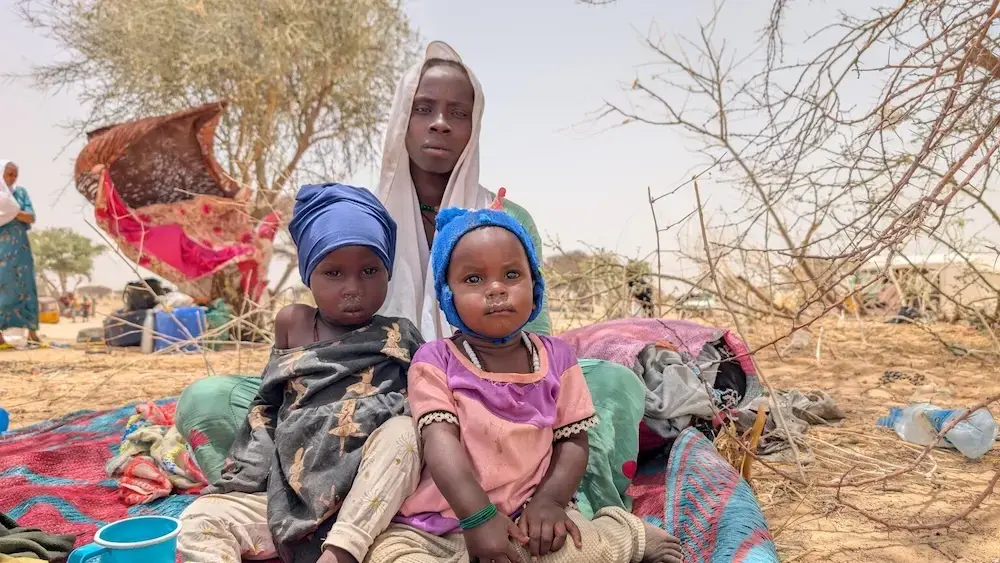
The phrase “raising hope” may sound simple, but in the context of the Sudan crisis, it carries a profound meaning. Hope is not merely an emotion that helps people endure hardship. In humanitarian settings, hope becomes a practical force that helps individuals and communities survive, recover, and rebuild their futures. Today, Sudan stands as one of the clearest examples of why raising hope must be accompanied by meaningful action.
The ongoing conflict has created what many international organizations describe as the world’s largest displacement crisis. According to the UN High Commissioner for Refugees and the United Nations Office for the Coordination of Humanitarian Affairs, millions of people have been forced from their homes, separated from loved ones, and left struggling to meet their most basic needs. Behind every statistic is a family searching for safety, a child whose education has been interrupted, or a parent trying to provide food and shelter under impossible circumstances.
As humanitarian needs continue to grow, raising hope requires more than awareness. It demands sustained humanitarian aid, stronger international solidarity, and support for local communities that continue to respond despite enormous challenges. It also means recognizing the extraordinary resilience of the Sudanese people, who continue to care for one another even in the most difficult conditions.
Understanding the Scale of the Sudan Crisis
The Sudan crisis has affected virtually every aspect of daily life. Communities that once relied on functioning schools, healthcare facilities, markets, and public services now face widespread disruption. Millions of people have become internally displaced, while many others have crossed borders seeking refuge in neighboring countries already struggling with limited resources.
The humanitarian consequences extend far beyond displacement alone. Food shortages, economic instability, damaged infrastructure, and limited healthcare access have created a complex emergency that affects people of all ages. Women, children, older adults, and people with disabilities often face the greatest risks as support systems collapse around them.
International agencies continue to warn that humanitarian needs are increasing faster than available resources. While emergency relief operations save lives every day, the scale of the crisis requires broader support and long-term solutions that address both immediate survival and future recovery.
What Does Raising Hope Mean in Practice?
Moving Beyond Survival
In humanitarian work, raising hope means helping people regain a sense of dignity alongside physical safety. Food, clean water, shelter, and medical assistance remain essential, but lasting recovery depends on more than basic necessities alone.
When families receive support that allows them to make decisions about their own futures, hope begins to take root. Access to education, mental health services, community activities, and economic opportunities helps people move from a state of constant crisis toward a path of recovery. These interventions remind individuals that their lives still have value, purpose, and potential.
Communities across Sudan continue to demonstrate remarkable community resilience by supporting neighbors, sharing resources, and creating local solutions despite ongoing challenges. These efforts show that hope grows strongest when people are empowered rather than treated as passive recipients of aid.
The Importance of Mental Health and Emotional Recovery
Conflict leaves visible damage to buildings and infrastructure, but it also creates invisible wounds that can last for years. Many displaced families have experienced violence, loss, separation, and uncertainty. Children in particular face significant emotional and psychological challenges that can affect their development and well-being.
Humanitarian organizations increasingly recognize the importance of psychological support as part of comprehensive humanitarian aid. Safe spaces, counseling services, and community-based support programs help survivors process trauma and regain stability. These services are especially important for children who need opportunities to play, learn, and feel secure despite the instability surrounding them.
Without emotional recovery, rebuilding lives becomes significantly more difficult. By addressing both physical and psychological needs, humanitarian actors can help create conditions where hope can genuinely flourish.
Education as a Foundation for Hope
Education remains one of the most powerful tools for restoring normalcy during crises. When children return to learning environments, they regain routines, social connections, and opportunities to imagine a future beyond conflict.
Across displacement settings, temporary learning spaces often become symbols of resilience. Parents see education as a pathway to opportunity, while children gain stability and protection. Humanitarian organizations continue to prioritize educational support because it helps preserve an entire generation’s future.
The challenge remains immense, with millions of children facing interrupted education. Yet every classroom established and every child supported represents a step toward raising hope and strengthening long-term recovery.
The Challenges of Delivering Humanitarian Aid
Access Constraints and Security Risks
Providing humanitarian aid during an active conflict presents significant operational challenges. Humanitarian workers frequently face restricted access, damaged infrastructure, and insecurity that limits their ability to reach vulnerable populations.
Roads, bridges, healthcare facilities, and water systems have been affected by the conflict, making transportation and service delivery increasingly difficult. In some areas, aid organizations must navigate complex logistical conditions to ensure life-saving assistance reaches those who need it most.
These challenges increase costs and delay critical interventions. However, local organizations and community volunteers continue to play an essential role in reaching populations that may otherwise remain isolated from assistance.
Funding Gaps and Growing Needs
One of the greatest barriers to effective humanitarian action is the gap between available funding and actual needs. Humanitarian response plans often receive only a fraction of the resources required to fully support affected populations.
According to data from the OCHA Financial Tracking Service, humanitarian appeals for Sudan have consistently faced funding shortages despite rapidly growing needs. Limited funding forces organizations to make difficult decisions about which services can continue and which programs may need to be reduced.
This reality directly affects food security, healthcare access, education, and protection services. Every funding shortfall represents fewer resources available to families already facing extraordinary hardship.
Building Hope Without Creating Dependency
The Rise of Cash-Based Assistance
Humanitarian organizations increasingly recognize that people affected by crises understand their own needs better than anyone else. Cash assistance programs provide families with flexibility and choice while supporting local economies.
Rather than receiving predetermined supplies, households can purchase food, medicine, clothing, transportation, or other essentials based on their specific circumstances. This approach respects dignity while strengthening local markets that often continue functioning despite conflict.
Evidence from humanitarian responses worldwide demonstrates that cash assistance can be both efficient and empowering. It helps families maintain agency over their lives while reducing logistical barriers associated with traditional aid delivery.
The focus shifts from simply providing resources to enabling people to make decisions that best support their own recovery.
Supporting Local Response Mechanisms
Local communities are almost always the first responders during emergencies. Across Sudan, volunteers, neighborhood groups, and community networks have played a critical role in providing assistance when formal systems have struggled to function.
Investing in local response capacities helps ensure that aid reaches people quickly and effectively. Local actors understand cultural contexts, community needs, and operational realities better than many external organizations.
Organizations such as the AMEL Foundation continue to emphasize community-centered approaches that strengthen local capacities while addressing urgent humanitarian needs. Through initiatives focused on food security and healthcare access, communities receive support that addresses both immediate challenges and longer-term recovery goals.
Investing in Long-Term Recovery
Emergency assistance saves lives, but raising hope ultimately requires investment in sustainable recovery. Families need opportunities to rebuild livelihoods, access services, and regain stability beyond the immediate crisis period.
Long-term approaches focus on strengthening institutions, restoring services, and supporting economic recovery. These efforts help communities transition from emergency dependence toward greater self-reliance and resilience.
The goal is not simply survival but the creation of conditions where people can rebuild their lives with dignity and confidence.
How the Global Community Can Help
Keeping Sudan on the Global Agenda
One of the greatest challenges facing the Sudan crisis is limited international attention. While other global events often dominate headlines, millions of Sudanese people continue to face severe humanitarian needs every day.
Raising awareness remains an important part of raising hope. Sharing verified information, supporting credible reporting, and encouraging informed public discussion help ensure that the crisis is not forgotten. Sustained attention can influence policy decisions, donor commitments, and humanitarian action.
The World Health Organization and other international agencies continue to highlight the urgent public health risks facing affected communities, underscoring the need for continued global engagement.
Supporting Trusted Humanitarian Organizations
Individuals can make a meaningful difference by supporting organizations working directly with affected communities. Financial contributions, advocacy efforts, and public awareness campaigns all contribute to broader humanitarian responses.
Organizations with strong local partnerships are often best positioned to deliver effective assistance. Learning about an organization’s mission and approach can help donors make informed decisions about where their support can have the greatest impact.
Readers interested in understanding the AMEL Foundation’s humanitarian mission can learn more through its story and commitment to supporting vulnerable communities affected by crises.
The Resilience of the Sudanese People
Despite immense hardship, Sudanese communities continue to demonstrate extraordinary strength. Families share resources with neighbors, volunteers organize local assistance efforts, and communities create support systems that help people survive and recover.
Stories of resilience can be found throughout the crisis. Parents continue prioritizing their children’s education despite displacement. Community leaders organize mutual aid initiatives. Healthcare workers provide services under extremely difficult conditions. These actions reflect a collective determination to protect lives and preserve hope.
Raising hope is not something imposed from outside. It emerges through partnership, solidarity, and recognition of the strengths that already exist within affected communities. Humanitarian assistance becomes most effective when it supports and amplifies these local efforts.
A Shared Responsibility for the Future
The Sudan crisis remains one of the most urgent humanitarian emergencies in the world today. Millions of people continue to require support, protection, and opportunities to rebuild their futures. While the challenges are immense, hope remains possible when communities, humanitarian organizations, donors, and global institutions work together.
Raising hope means investing in people rather than simply responding to emergencies. It means supporting displaced families, strengthening local response systems, improving healthcare access, protecting children, and creating pathways toward recovery. Most importantly, it means refusing to allow the suffering of millions to fade from global attention.
The Sudanese people continue to demonstrate remarkable resilience in the face of extraordinary adversity. The international community now has a responsibility to match that resilience with meaningful action, sustained support, and unwavering solidarity. Through collective effort, hope can become more than a promise. It can become a reality.

Comments are closed