
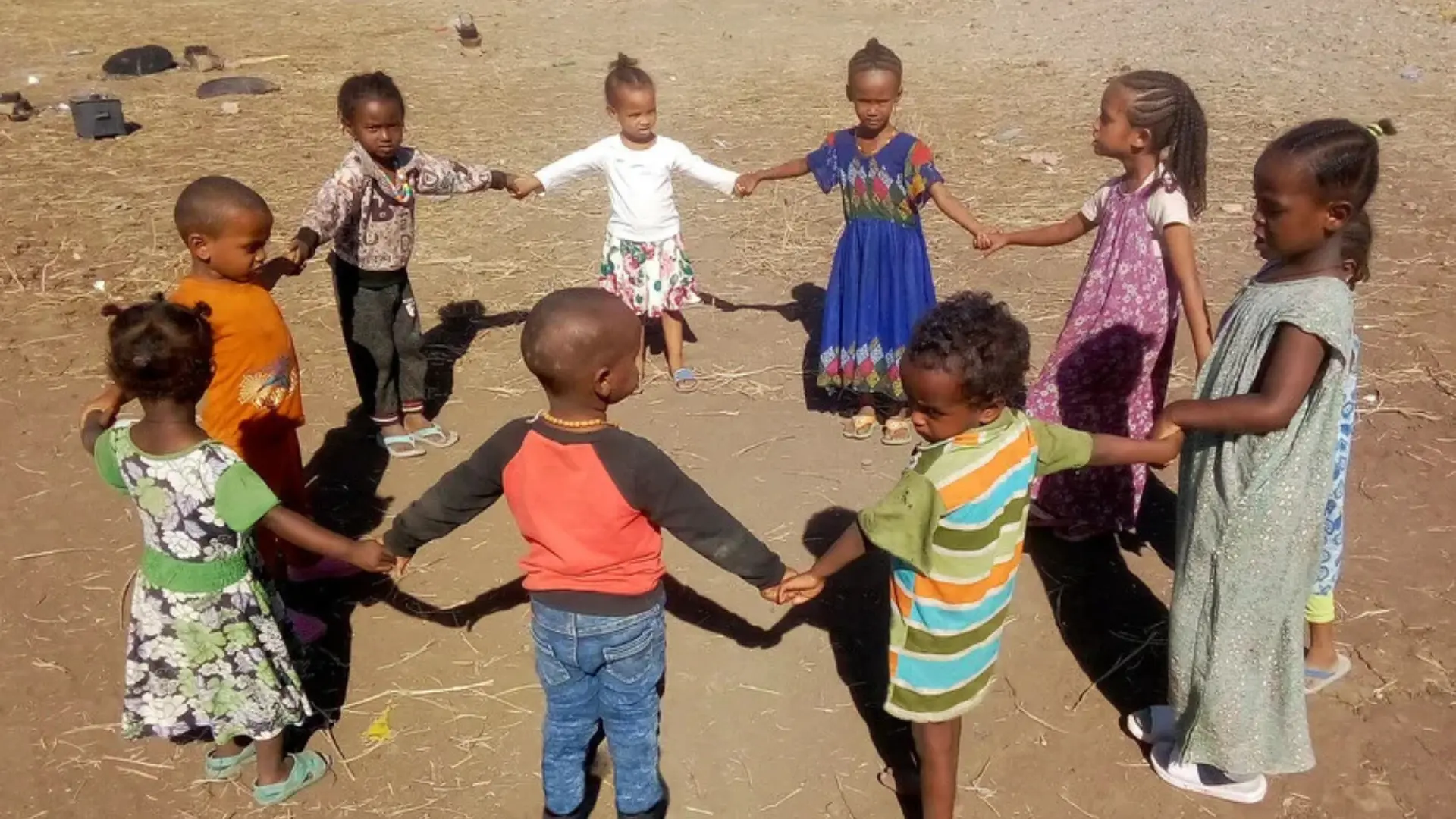
Understanding the Sudan Humanitarian Crisis
Sudan has been facing an unprecedented humanitarian crisis since the escalation of conflict in April 2023, which has created the largest displacement emergency globally. Millions of families have been forced to flee their homes, leaving children exposed to extreme vulnerabilities. According to the United Nations Office for the Coordination of Humanitarian Affairs (OCHA), over 30.4 million people require urgent humanitarian assistance, with 15.6 million children in immediate need of food, healthcare, and protection. The health system has collapsed, malnutrition rates are soaring, and disease outbreaks are rapidly spreading, creating a dire situation that demands immediate action.
Critical Food and Nutrition Needs
Malnutrition Crisis Among Children Under Five
Children under five are among the most affected by the Sudan crisis, facing alarming levels of malnutrition. UNICEF reports that approximately 770,000 children are severely wasted, meaning they are dangerously underweight for their age. Malnourished children face not only immediate health risks but also long-term developmental delays, cognitive challenges, and higher susceptibility to disease.
Food Insecurity Impact on Child Development
Food insecurity in Sudan has disrupted the natural growth and well-being of children. Families displaced by conflict often lack access to sufficient, nutritious meals. This shortage severely affects a child’s ability to grow and learn, creating a cycle of poverty and vulnerability. Organizations like the AMEL Foundation are stepping in to provide sustainable food assistance Sudan, delivering essential food baskets and daily meals to malnourished children and their families.
Emergency Food Aid and Therapeutic Feeding Programs
Humanitarian aid organizations implement targeted feeding programs that are critical for survival. Therapeutic feeding centers provide nutrient-rich meals for severely malnourished children, while emergency food distribution ensures families maintain access to daily essentials. World Food Programme initiatives show that well-coordinated food aid can significantly reduce child mortality and improve community resilience, reinforcing the need for immediate and sustained intervention.
Access to Healthcare for Children
Collapse of Health Facilities and Medical Supply Shortages
Sudanese children are facing unprecedented challenges in accessing healthcare. Many health facilities have been destroyed or rendered non-functional due to ongoing conflict. Shortages of medicines and trained medical personnel exacerbate the situation, leaving children without life-saving interventions. The AMEL Foundation’s healthcare programs focus on providing essential medical services, from emergency care to routine health check-ups, in safe urban areas.
Disease Outbreaks Affecting Children
Conflict has triggered outbreaks of preventable diseases such as cholera, malaria, and measles, which disproportionately affect children. Vaccination campaigns have been disrupted, increasing the risk of widespread epidemics. Organizations working on Sudan crisis relief coordinate with local health authorities and international partners to deliver vaccines and treatment to the most affected regions, reducing child mortality and disease transmission.
Maternal and Child Health Services Impacted by Conflict
Displacement and instability also compromise maternal and child health services. Pregnant women and infants are particularly vulnerable without access to prenatal care and postnatal support. By supporting maternal health programs, humanitarian aid Sudan ensures that mothers and their children receive critical services that can prevent long-term health complications.
Displacement Challenges Affecting Children’s Well-being
Access to Shelter, Safe Water, and Sanitation
Internally displaced persons (IDPs) and refugees face dire conditions in temporary shelters. Limited access to clean water and sanitation facilities contributes to the spread of disease, disproportionately affecting children. Organizations such as Amoud Relief & Development collaborate with the AMEL Foundation to provide safe shelters, potable water, and hygiene supplies, safeguarding children from preventable illnesses.
Interruptions in Education and Psychosocial Trauma
Children displaced by conflict often experience significant educational disruptions. Lack of access to schools and safe learning environments affects not only academic development but also social and emotional well-being. The trauma of losing homes, witnessing violence, or being separated from family members can have lasting psychological impacts. Humanitarian programs integrating psychosocial support help children cope with these challenges while maintaining hope for a brighter future.
Protection Risks Including Recruitment and Exploitation
Conflict zones expose children to recruitment by armed groups, gender-based violence, and exploitation. Humanitarian organizations implement child protection programs, safe spaces, and community monitoring to mitigate these risks. Sails of Hope Organization partners with local initiatives to safeguard vulnerable children and ensure they have access to both care and security.
Role of Humanitarian Organizations in Protecting Displaced Children
Child-Specific Programs and Safe Spaces
Humanitarian aid Sudan has increasingly focused on child-centered interventions. Safe spaces provide a secure environment for learning, recreation, and psychosocial support. These programs aim to stabilize the lives of children amidst the chaos of displacement and conflict, helping them regain a sense of normalcy.
Coordination of Health and Nutrition Services
Effective coordination between local and international organizations ensures that food assistance Sudan and healthcare support Sudan reach those in most need. Multi-agency initiatives combine resources to deliver comprehensive care, including nutrition programs, medical treatment, and emergency relief Sudan services, minimizing overlap and maximizing impact.
Aid Challenges in Delivering Food and Healthcare
Restricted Humanitarian Access and Security Risks
Delivering aid in conflict zones is fraught with danger. Aid workers often face targeting, travel restrictions, and threats to personal safety. Despite these challenges, organizations persist in their efforts to provide critical support, navigating complex logistics to reach vulnerable populations safely.
Funding Shortfalls and Resource Limitations
Humanitarian operations depend heavily on consistent funding. Shortfalls compromise the reach and quality of child-focused interventions, leaving families without necessary food, healthcare, and protective services. Sustained donor support is crucial to maintaining emergency relief Sudan and ongoing assistance for malnourished children.
Strengthening Local Capacity and Resilience
Empowering local health workers, volunteers, and community leaders creates sustainable change Sudan. Training and development initiatives enhance the capacity of local teams to deliver aid effectively, even in challenging environments. The AMEL Foundation’s training programs foster resilience, ensuring that interventions continue to benefit Sudanese communities long-term.
How Individuals Can Make a Difference
Donors, volunteers, and advocates play a pivotal role in supporting Sudanese children. Contributions to organizations like the AMEL Foundation enable the delivery of emergency food, healthcare, and essential relief supplies. Even small donations translate into lifesaving meals, medicines, and protective services for children in crisis.
Conclusion
The Sudan humanitarian crisis represents one of the most urgent child welfare emergencies in the world today. The resilience of Sudanese children and families is inspiring, yet without continued humanitarian aid, countless lives remain at risk. Supporting initiatives focused on food assistance Sudan, healthcare support Sudan, and protection for malnourished children is not only an ethical imperative but a practical investment in the future of Sudan. By uniting global and local efforts, the international community can help Sudanese children survive, recover, and thrive despite the challenges imposed by conflict.

Comments are closed