Please add some widget in Offcanvs Sidebar


At Amel Foundation, we believe that humanitarian work goes beyond immediate relief. By investing in training and development, we empower communities to respond to crises, build resilience, and take charge of their future.


At Amel Foundation, we believe that humanitarian work goes beyond immediate relief. By investing in training and development, we empower communities to respond to crises, build resilience, and take charge of their future.


At Amel Foundation, we believe that humanitarian work goes beyond immediate relief. By investing in training and development, we empower communities to respond to crises, build resilience, and take charge of their future.


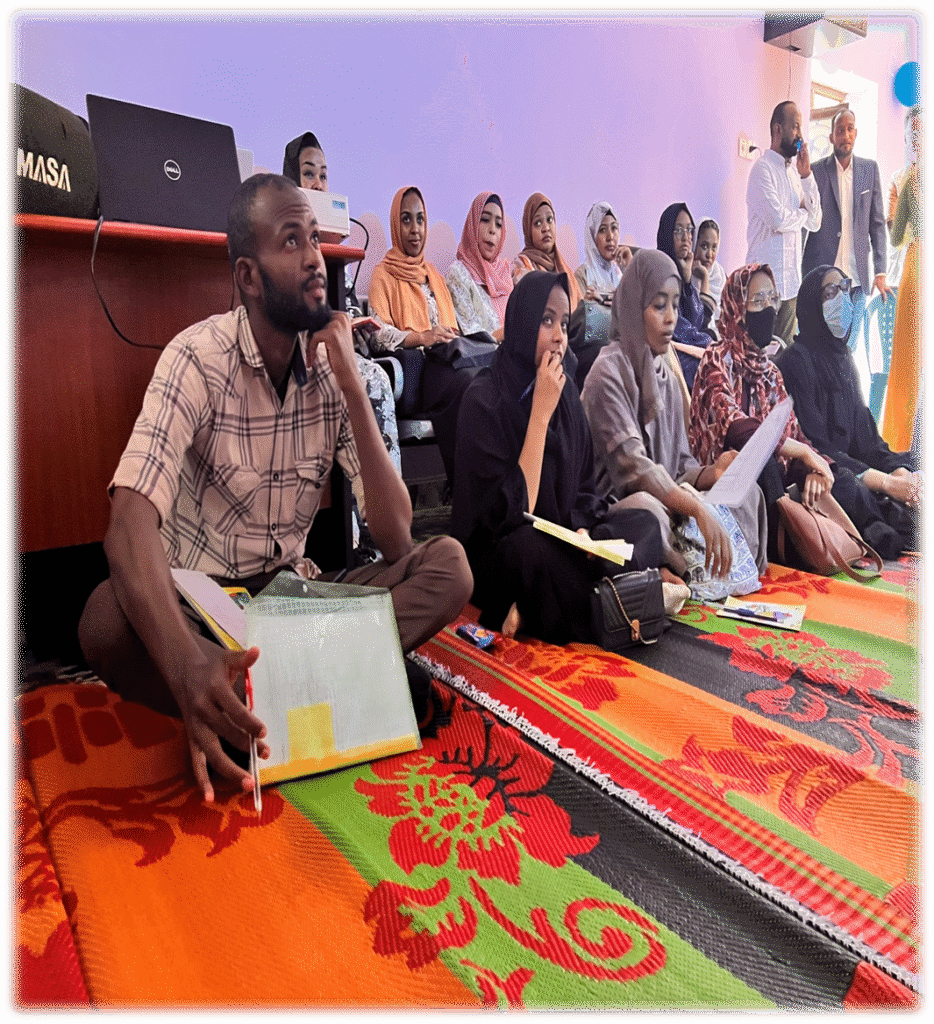
When crisis strikes, trained people save lives. Amel Foundation’s Training and Development programs equip volunteers, healthcare workers, and local leaders with the skills to meet urgent needs, from healthcare to humanitarian project management. Each training is designed to build capacity, strengthen systems, and ensure sustainable impact long after emergencies fade.
Last year, our training programs reached over 1,150 beneficiaries across Sudan, with a total investment of 13,324,000 SDG.
Key highlights included:
- Workforce training in humanitarian project design, proposal writing, budgeting, monitoring, evaluation, and accountability (MEAL).
- Specialized training for women on early breast cancer detection and protection from sexual exploitation and abuse (PSEA).
- Primary mental health care training in Al Jazirah for 30 trainees.
- Health-focused training in cholera response, water safety, and general health services.
- Support for Qurbani meat distribution logistics.
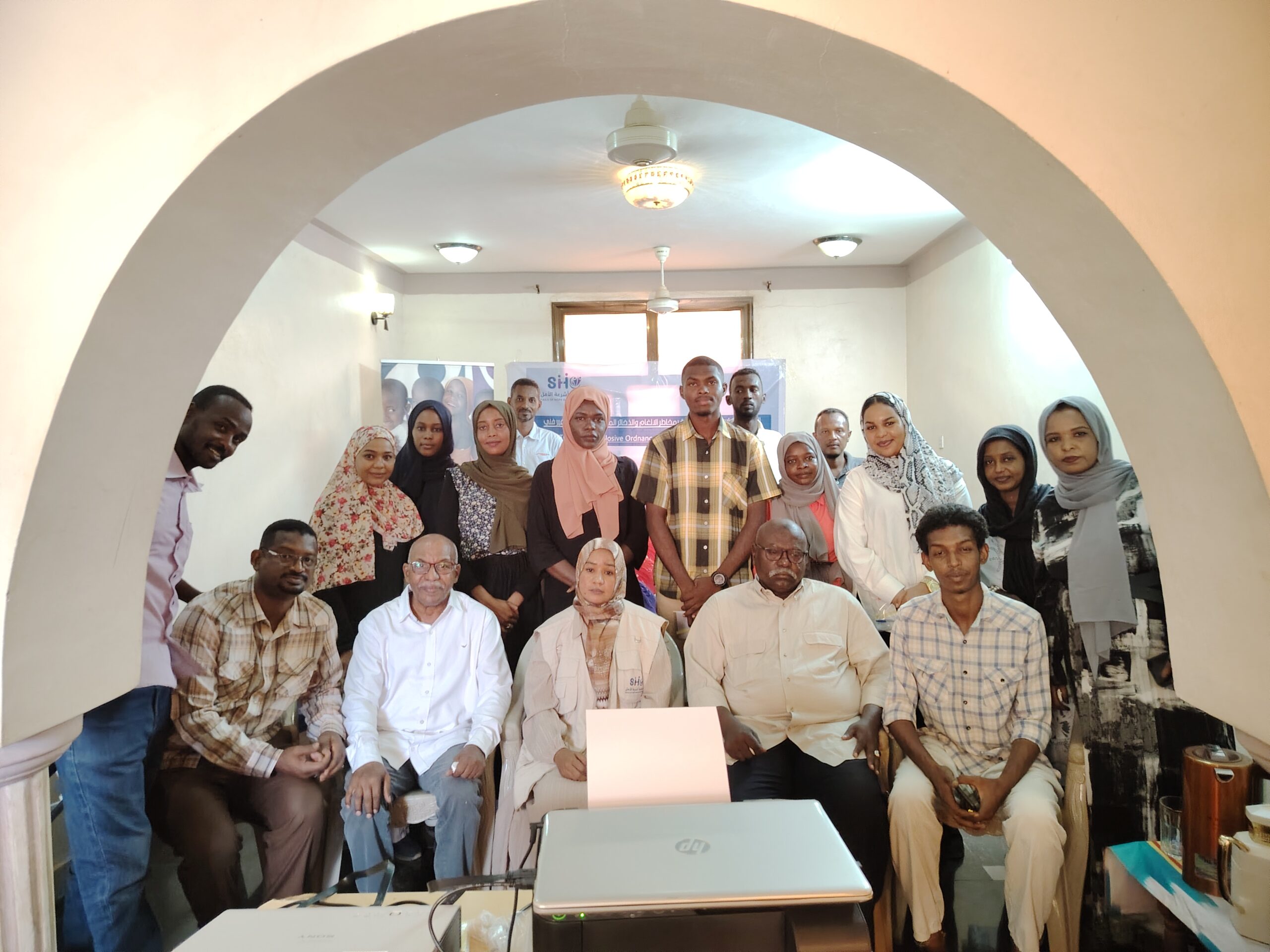
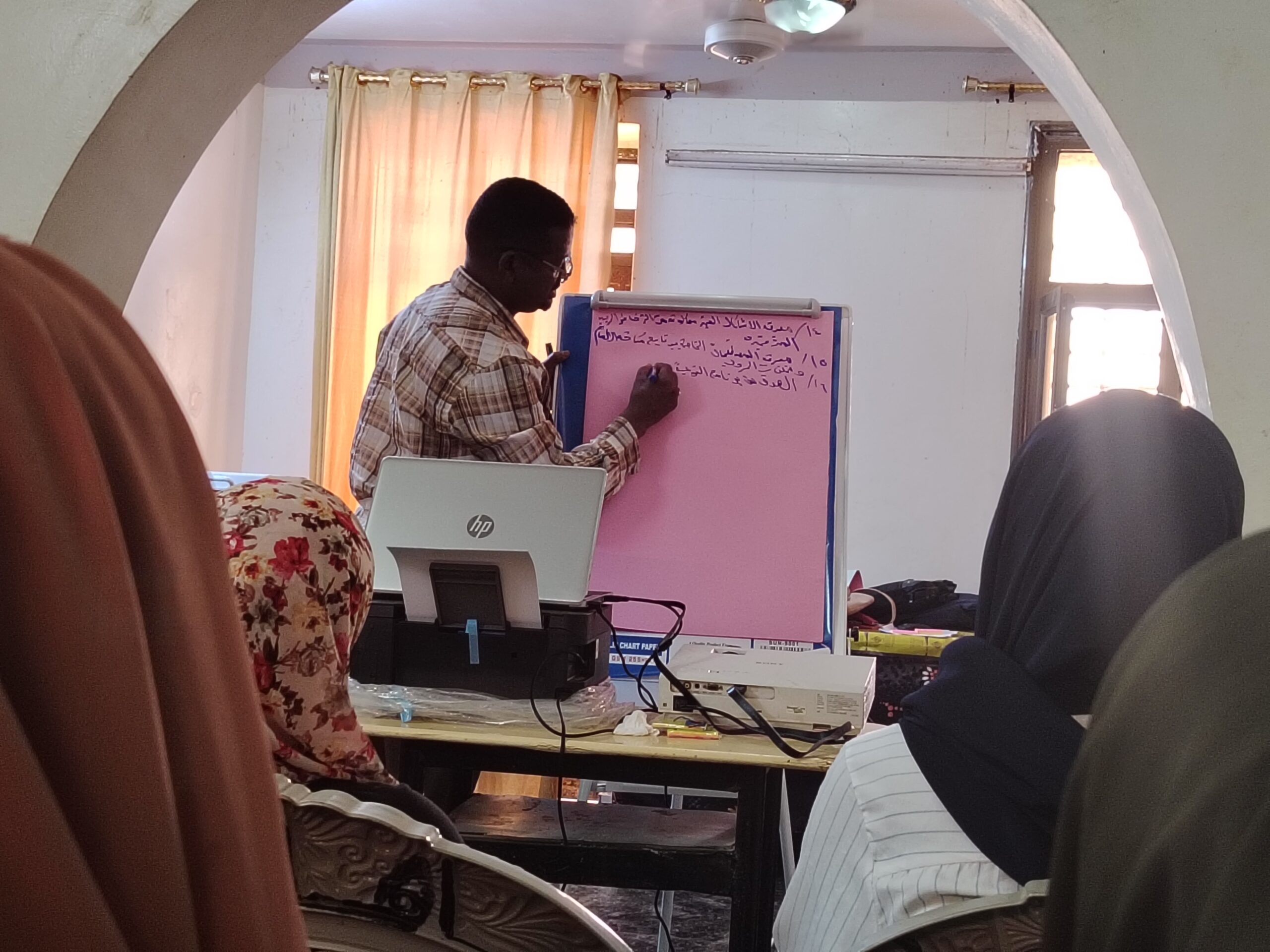
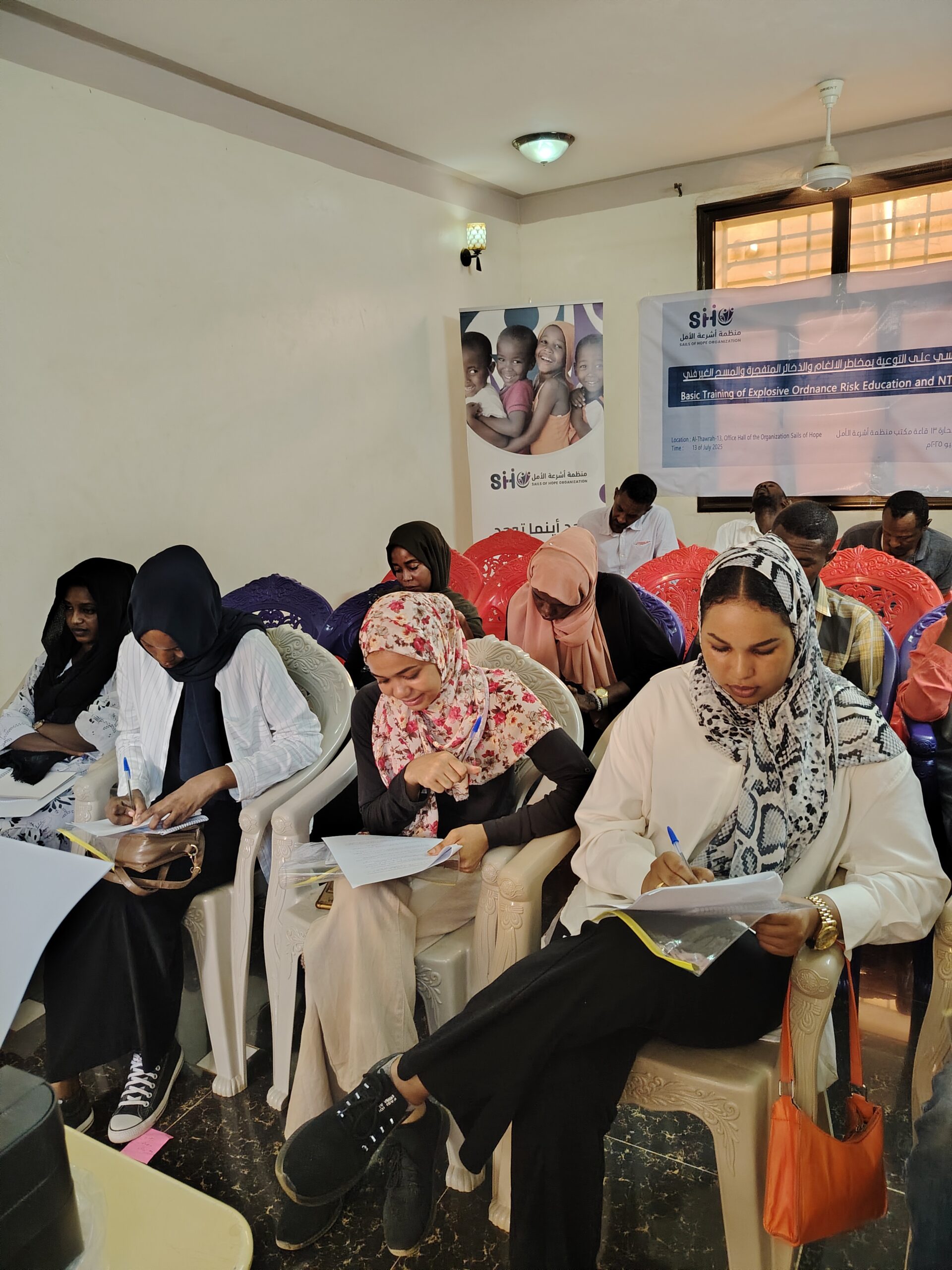
Training on the safe removal of explosive and non-explosive remnants of war in Khartoum.

At Amel Foundation, we ensure every contribution is used efficiently. Our wells are built to last, powered by solar energy when possible, and maintained by trained local committees. You’ll receive updates and reports so you can see the lives you’ve touched.


When Fatima joined a training on fraud prevention and grant management, she was unsure if she could keep up. Today, she leads a team of volunteers ensuring resources reach the most vulnerable without waste or corruption. Her journey is just one example of how training transforms lives and strengthens humanitarian response from within communities.